Time to rebalance APEC economy










When China hosted the Asia-Pacific Economic Cooperation meeting in 2014, it was a year of difficult negotiations on trade liberalization. As the then executive director of the APEC Secretariat, I watched as the 21 member economies, led by China, worked to ease the flow of goods, services and capital across the vast Asia-Pacific region.
The negotiations were by no means a smooth process, because every economy had its own special interests. But China had set an agenda to advance the Free Trade Area of the Asia-Pacific, and there was a shared conviction that cooperation leads to growth.
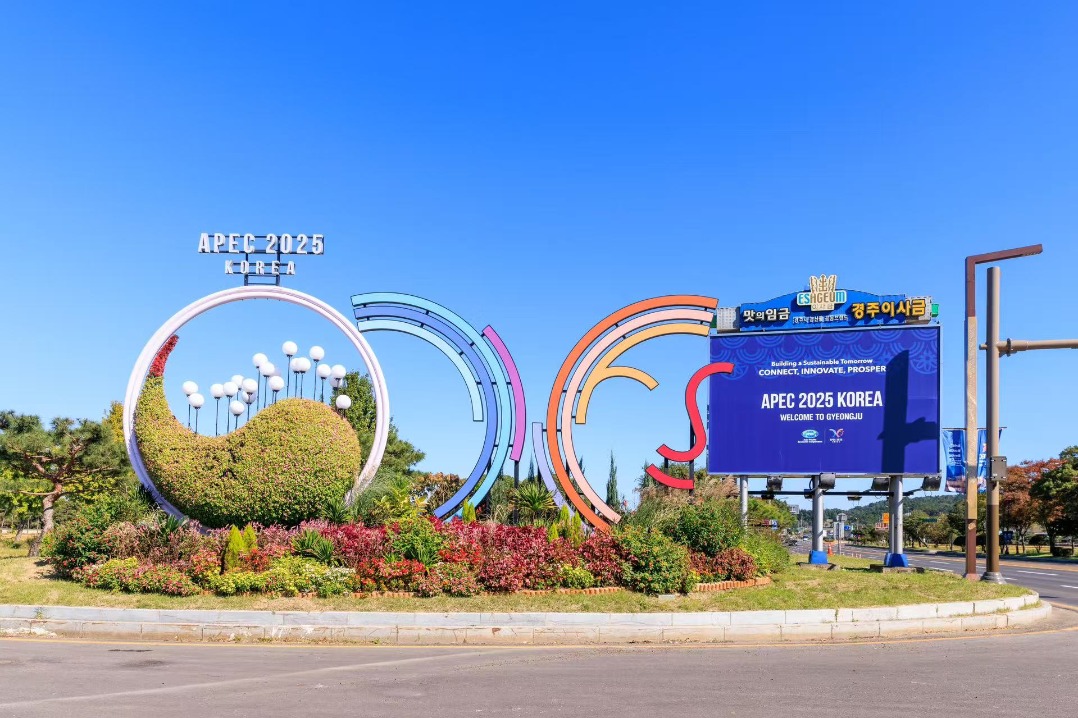
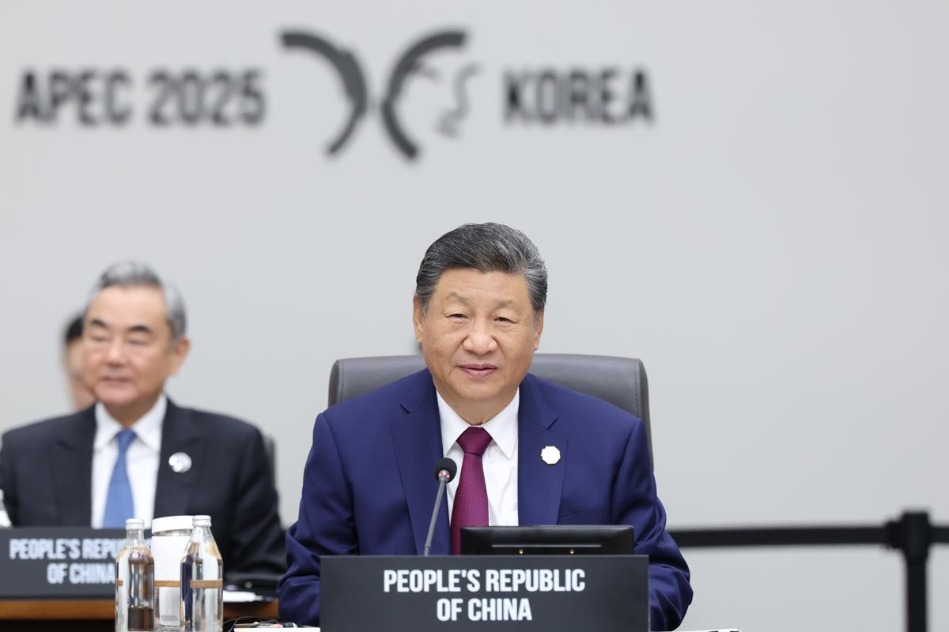
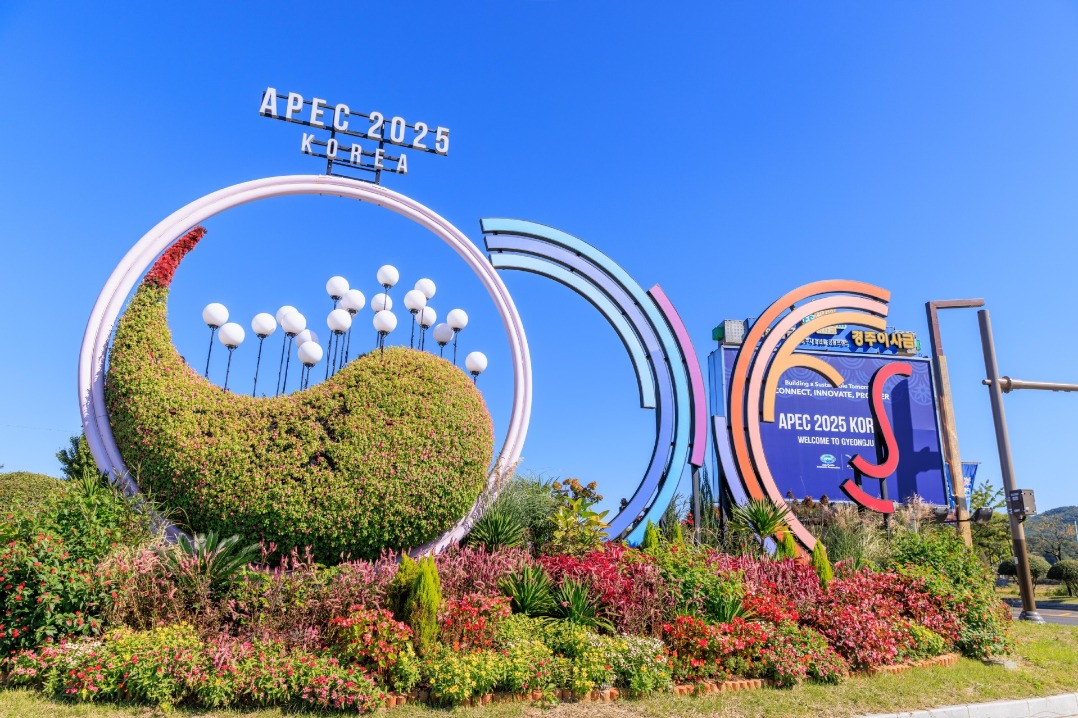
Yet this week, when the leaders of the APEC economies met in Gyeongju in the Republic of Korea, the mood seemed to have changed. In the past months, trade tensions have mounted, populist nationalism has defined trade policies in some economies, and the spirit of cooperation has waned.
Meanwhile, China's remarkable productivity growth over the past 10 years has moved it up the value chain. The country is the world leader in green technologies, with huge cost reductions in solar panels, wind turbines, electric vehicles, lithium batteries, rare earth magnets and other items. While this is good news for suppliers as well as consumers across Southeast Asia, Australasia and Latin America, where cheap green technologies have supported both growth and decarbonization, it has fuelled anxiety in North America and Europe, where local industries compete directly with Chinese exports. The growing trade imbalances, accusations of "unfair trade practices" and fears of competition have intensified tensions.
The escalating artificial intelligence race has added to the turbulence. Governments and companies are pouring in massive investments in algorithms, advanced chips, data centers and energy generation. It's a contest that risks turning innovation into confrontation.
Also, the imbalances in flows of goods, services, investment and capital across the Asia-Pacific are now bigger than ever before. Floating exchange rates, free trade, liberal capital movements and disciplined fiscal policies should help correct these distortions.
The United States needs to stop its unviable fiscal stimulation, China needs to increase its domestic consumption, equity markets need to deflate to reasonable levels and sovereign markets need to penalize countries that over-borrow.
But there is little sign of this rebalancing taking place. Instead, companies are focusing on another risk: supply-chain disruption. Businesses that once relied on just-in-time manufacturing are now monitoring supply chains and seeking resilience. Decoupling is seemingly underway, and China's exports to the US have declined, while imbalances with Europe have grown. Political pressure to "onshore" production has added to the uncertainty and complicated long-term investment plans.
The Pacific Economic Cooperation Council's latest State of the Region report captures the prevailing unease. It is based on the views of business, government and academic respondents from all 21 Asia-Pacific economies. A large majority of the respondents see protectionism and trade wars as the most serious threats to future growth. A global economic slowdown is viewed as the second-biggest risk, followed by global supply chain disruptions. Almost all respondents — double the figure last year — call for deeper regional cooperation through APEC.
It's a clear message to the participants at the APEC meeting. No doubt officials will negotiate intensely to work out a joint communique to give some appearance of agreement, but substantive progress on deeper issues may prove more difficult to achieve.
When market forces fail to correct distortions, other mechanisms take over. In the past, the US led multilateral adjustments, such as the Plaza and Louvre accords of the 1980s, but it may not now. Other alternative mechanisms, such as the market meltdown in the 1930s, or the political aggression of the Cold War years, would be disastrous.
This is why China's hosting of APEC in 2026 is so important. APEC is a rare forum that brings together many major economies, including China, the US, Japan, the Republic of Korea and most of Southeast Asia. Unlike the World Trade Organization, APEC is a voluntary agreement to discuss regional issues and requires no ratification by legislatures. The US, having distanced itself from many international organizations, is still willing to actively participate in APEC.
What is the opportunity for China in 2026? It might be able to resurrect a reconfigured version of the Free Trade Area of the Asia-Pacific, signaling a long-term commitment to a more balanced trade environment. Other members will be watching how China rebalances its own economy, moving from investment-driven to consumption-led growth. A more balanced Chinese economy will not only be sustainable but also reaffirm that growth through cooperation is possible.
The author is chair of the New Zealand Pacific Economic Cooperation Council.
The views expressed are personal ones and don't necessarily reflect those of China Daily, the New Zealand Pacific Economic Cooperation Council or other affiliations.
If you have a specific expertise, or would like to share your thought about our stories, then send us your writings at opinion@chinadaily.com.cn, and comment@chinadaily.com.cn.