China's Yangtze River conservation provides new model of sustainable development










The transformation of China's Yangtze River, the world's third longest, from pollution to protection provides valuable lessons for major rivers facing ecological crises on the globe.
A research report released on September 26th, 2025, highlights the effectiveness and significance of China's Yangtze River governance in the new era, which features a systematic, holistic and innovative approach.
Such an approach carries broad global relevance, offering experience of safeguarding ecological security, promoting harmony between man and nature, upholding people-centered development, and driving green economic growth.
Decades of rapid economic development without effective ecological protection once made the Yangtze "seriously ill," as the report puts it. Since 2012, China has made ecological restoration of the Yangtze River an overriding national priority, and achieved a historic shift from extensive development to comprehensive protection.
To tackle both symptoms and root causes of pollution, a host of measures have been rolled out ranging from restoring shorelines and controlling discharge outlets to upgrading wastewater systems, rehabilitating tailings ponds and enforcing a 10-year fishing ban.
Legal means, such as the Yangtze River Protection Law, together with coordinated planning and smart monitoring, ensure that protection is comprehensive, systematic and sustained, transforming the river's governance from a fragmented, stretch-by-stretch approach into a unified, basin-wide strategy.
Furthermore, the resolve and actions of major cities along the waterway to protect the river while developing industries that are tech-intensive or environmentally friendly, also play key roles. For example, purely electric cruise ships have been put into use on the Yangtze.
Results speak for themselves. The share of high-quality water sections in the Yangtze basin has risen from 82.3 percent in 2016 to over 98 percent today. Biodiversity is rebounding. The population of the Yangtze finless porpoises had climbed to 1,249 in 2023 -- up 23.4 percent from 2017, while 344 native fish species were recorded between 2021 and 2024, 36 more than in the 2017-2020 period.
The Yangtze's transformation shows that protecting ecosystems is not a drag on the economy but a foundation for lasting prosperity, offering a green path to replace old models of industrialization.
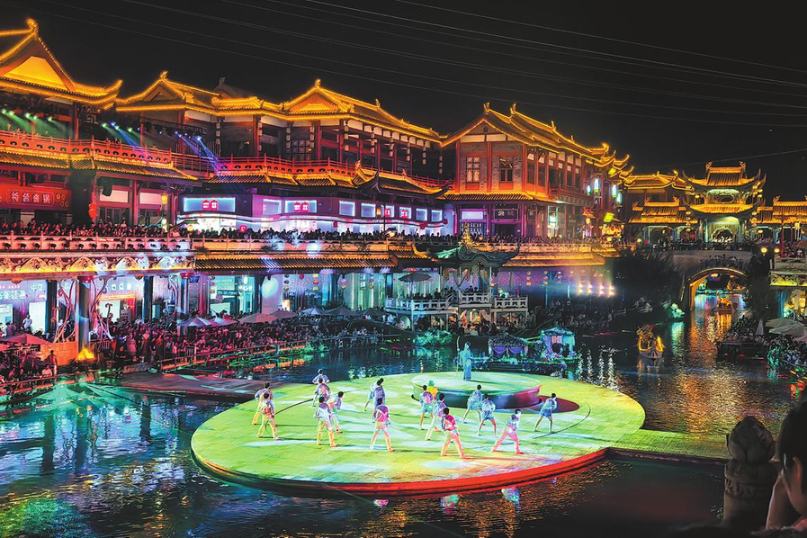
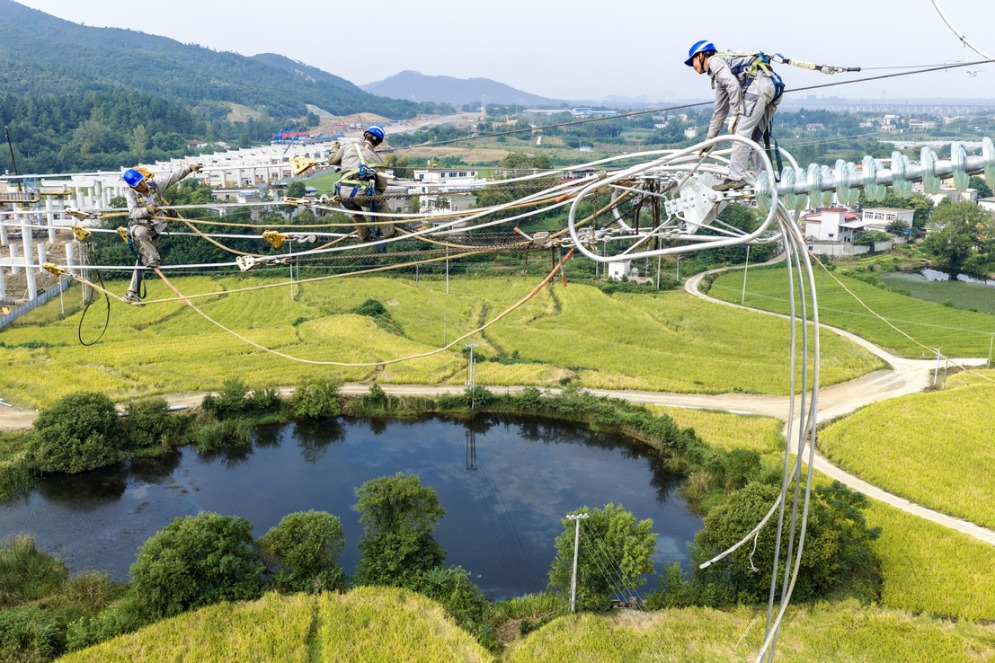
With six mega hydropower stations forming the world's largest clean energy corridor, the Yangtze has produced more than 3.5 trillion kilowatt-hours of electricity, cutting over 2.8 billion tonnes of carbon emissions. Meanwhile, high-end industrial clusters in electronics, equipment, automobiles, home appliances and textiles continue to flourish in this region.
The Yangtze River Economic Belt, comprising 11 provincial-level regions and accounting for nearly half of the country's population and GDP, is driving upgrading and high-quality growth, cementing its position as a national engine for innovation-driven transformation, according to the report.
Great rivers have played crucial roles worldwide in shaping economies, politics, cultures, societies and ecosystems.
The profound transformation of the Yangtze River embodies philosophical wisdom that respects nature and its laws, demonstrates a historical responsibility that benefits present and future generations, and showcases a people-centered, sustainable civilization. Such principles, notably, carry enduring global significance.