A tradition reborn: The curious case of mooncakes and the eight-point decision









In less than a month, China will celebrate the Mid-Autumn Festival, one of the most important days in the year for family reunions and fall harvest.
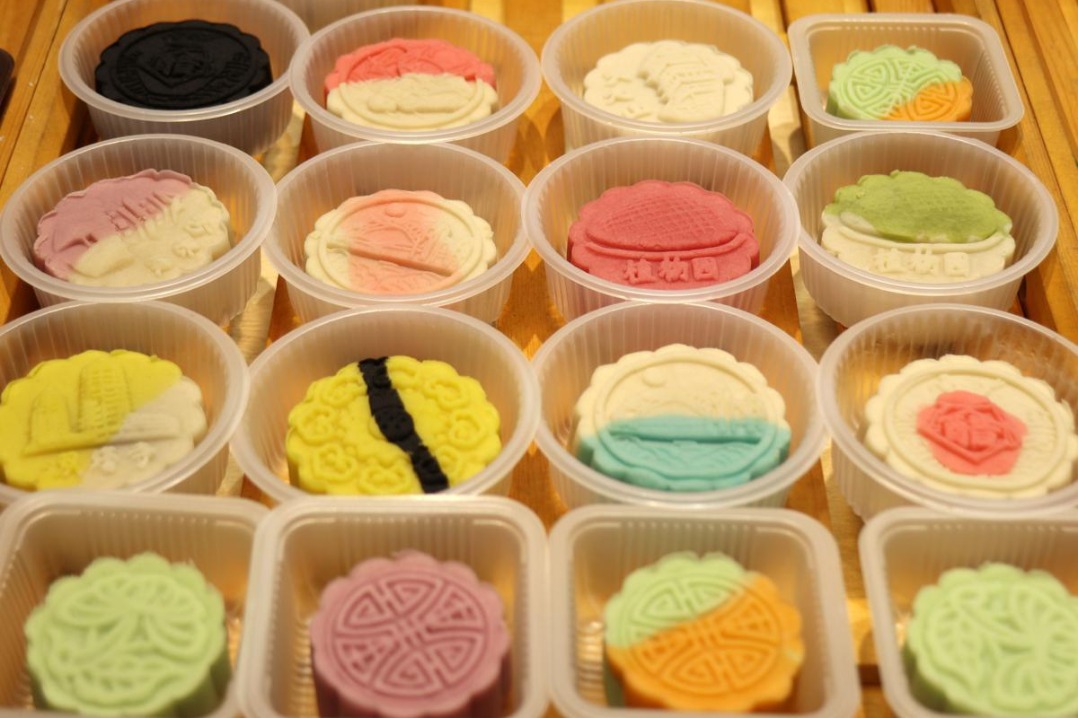
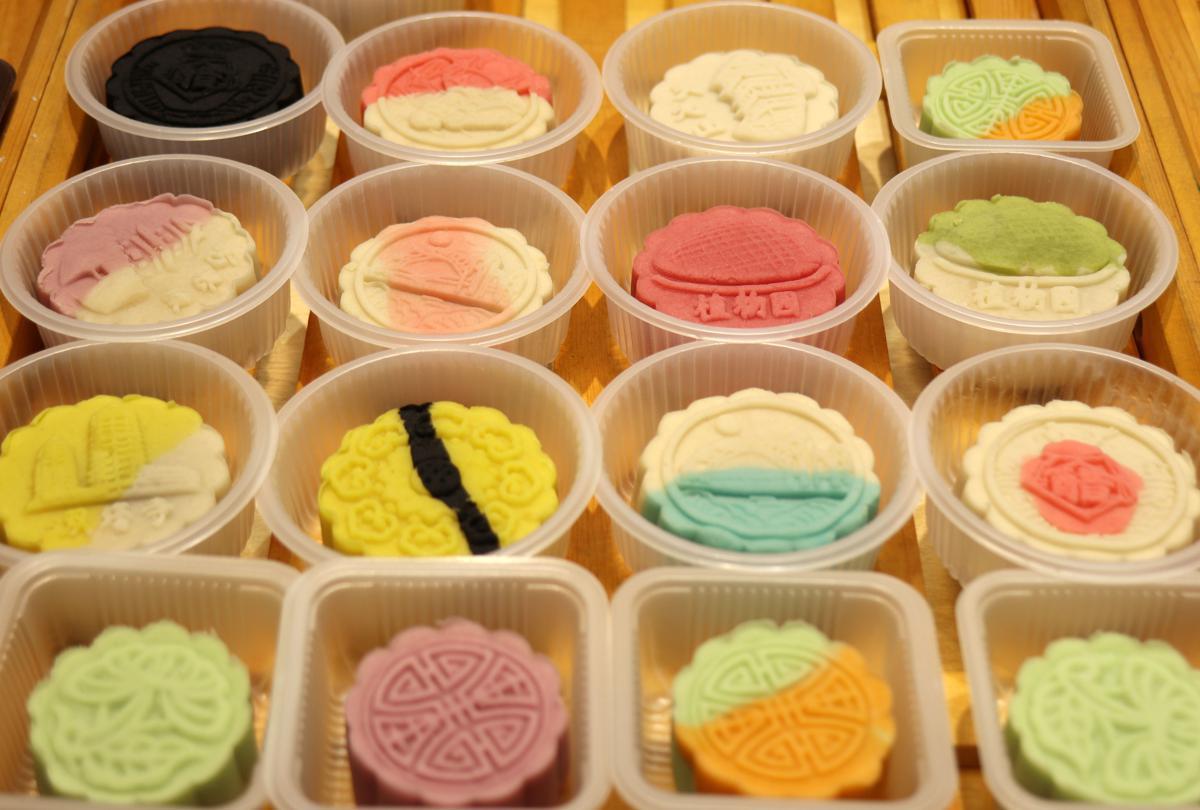
For generations, the gifting of mooncakes — a pastry symbolizing the full moon and reunion — has been a cherished tradition, often used to say thank you or form closer bonds.
However, this custom began to change. Following the emergence of mooncakes with luxurious fillings and extravagant packaging, the delicacy was no longer just a treat; it was often associated with bribery and corruption, drawing skepticism from the public.
Mooncakes and anti-graft efforts
Before 2012, few could have imagined that a top-level decision to improve official conduct would fundamentally change the mooncake industry, which in the eyes of many, was going astray.
But then came the landmark eight-point decision. Introduced by the Political Bureau of the Central Committee of the Communist Party of China (CPC), this set of rules directly targeted deep-seated issues like pointless formalities, bureaucratism, hedonism and extravagance.
Among its most visible effects, expensive mooncakes and their lavish packaging were banned, and officials were prohibited from using public funds to purchase them as gifts.
To ensure compliance, a powerful system of transparency and accountability was established. Violations were exposed on the website of the CPC Central Commission for Discipline Inspection on a regular basis, encouraging public oversight and ensuring rigorous deterrence. During festivals like Mid-Autumn, disciplinary bodies nationwide intensified anti-graft efforts to root out excessive gift-giving and wasteful public spending.
More than just mooncakes
The impact of the eight-point decision extends far beyond mooncakes. Spelled out in just over 600 words, the rules also addressed streamlining meetings and documentation, standardizing overseas visits, simplifying reporting and publication, improving research and promoting frugality, etc.
Rather than issuing broad statements on discipline and governance, the decision focused on practical details of how Political Bureau members should improve their way of work, demanding shorter and more focused meetings, fewer traffic controls, and removal of excessive welcome ceremonies during visits.
Thirteen years on, the results are clear. By cutting red tape and weeding out corruption, the decision has sharpened government efficiency and, more importantly, brought the Party leadership closer to the public. It directly addressed specific issues that eroded trust, and drastically improved how ordinary Chinese view the Party. According to the Edelman Trust Barometer, trust among Chinese citizens in the government reached a record 91 percent.
It is precisely this kind of trust and confidence that has enabled China to navigate complex challenges, from managing COVID-19 to ensuring economic growth and social stability.
A long-running mission
Just as driving nails home requires repeated strikes, the success of the eight-point decision hinges on tireless work to transform temporary compliance into enduring custom.
The Party leadership has stressed multiple times that the decision is not a fix for just 5 or 10 years; these "iron rules" represent a permanent commitment.
This was reaffirmed in 2025 with a party-wide education campaign on the eight-point decision. Lasting months, the campaign called on all Party members to review the core principles of the decision, and exercise self-examination and self-reform. It also encouraged public oversight to ensure accountability and prevent the abuse of power.
The emphasis on self-examination is essential. Mark Twain once satirized greed and political corruption in post-Civil War America in his novel The Gilded Age, "To gild refined gold, to paint the lily… is wasteful and ridiculous excess." Indeed, corruption is an existential threat, and rigorous self-discipline is vital for any major political party — including the CPC with over 100 years of history and 100 million members — to remain vibrant and united.
The success of the eight-point decision is symbolic: extravagant mooncakes disappeared, and the tradition returned to its roots — simple, heartfelt gifts exchanged between family and friends.
Yet the real impact runs much deeper. It has catalyzed a profound cultural shift within China's political system, fostering integrity, discipline, and stronger connection with the people — this is how it changed the Party and the entire Chinese nation.
The author is a commentator on international affairs. The views don't necessarily reflect those of China Daily.
If you have a specific expertise, or would like to share your thought about our stories, then send us your writings at opinion@chinadaily.com.cn, and comment@chinadaily.com.cn.