


Around 80 experts from universities and archaeological institutions nationwide attended an academic symposium on China's frontier archaeology in Yining city of Ili Kazak autonomous prefecture in Northwest China's Xinjiang Uygur autonomous region on Tuesday.
The event marked the seventh edition of this annual symposium co-organized by the Society for Chinese Archaeology, the Institute of Archaeology at the Chinese Academy of Social Sciences, the National Centre for Archaeology, and the Xinjiang Academy of Social Sciences.
During the symposium, the archaeologists and historians reviewed a variety of recent discoveries and research achievements in frontier provinces and regions, including Xinjiang, Southwest China's Xizang autonomous region, Yunnan and Guangxi provinces, North China's Inner Mongolia autonomous region, as well as Liaoning and Heilongjiang provinces in northeastern China.
Using these research findings, the scholars examined ancient China's frontier governance, urban civilizations, religions, multiple ethnic groups, and East-West cultural exchanges. They also discussed the prospects for new technologies and the preservation of cultural heritage.
Fan Enshi, deputy head of the Institute of Chinese Borderland Studies, CASS, says that the symposium has established an efficient academic exchange platform for the field of frontier archaeology and strengthened consensus within the academic community.
Guo Wu, a researcher at the CASS institute, notes that compared to previous symposia that focused on presenting new discoveries, this year's event invited multidisciplinary experts, including those in ancient Chinese history, and even architectural and exhibition design, and highlighted the importance of interpreting and studying archaeological findings, which has enhanced the academic and social value of the symposium.
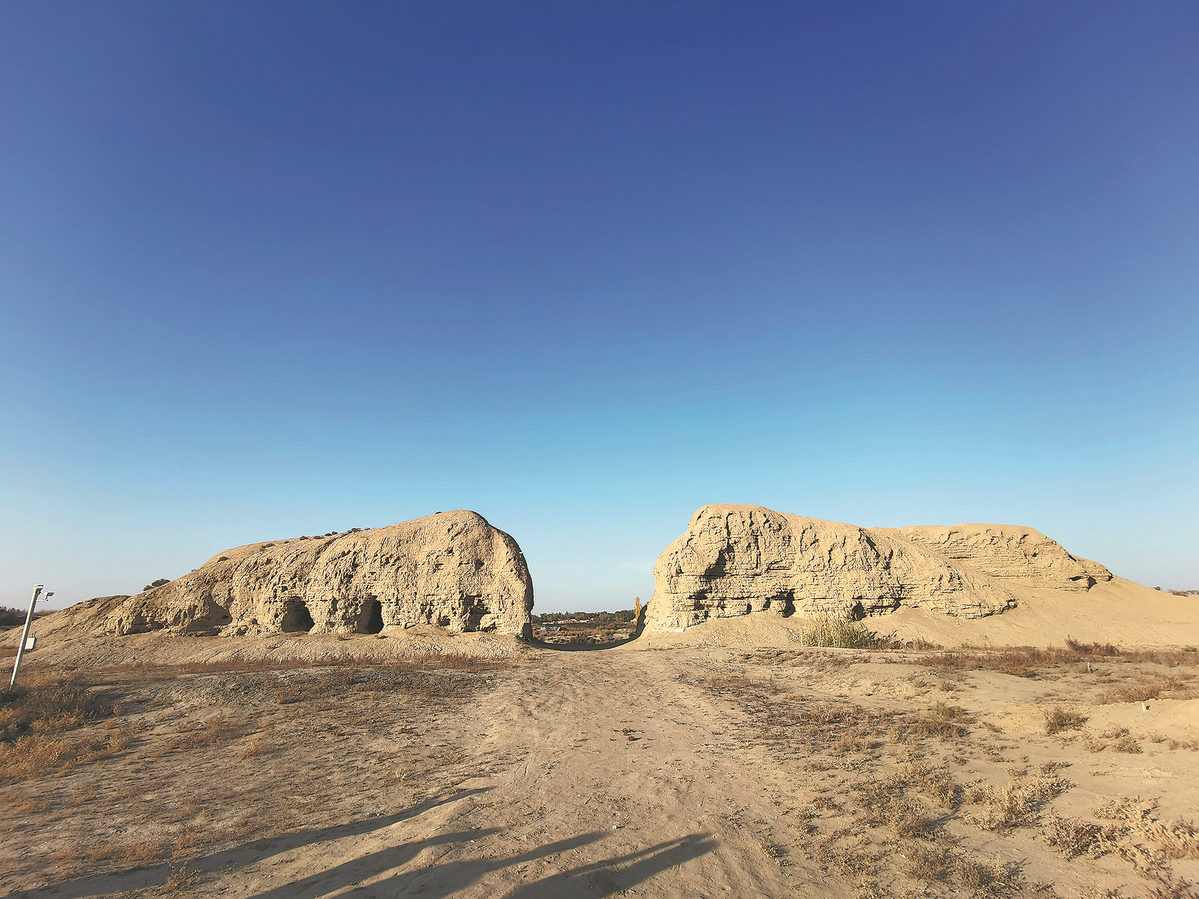
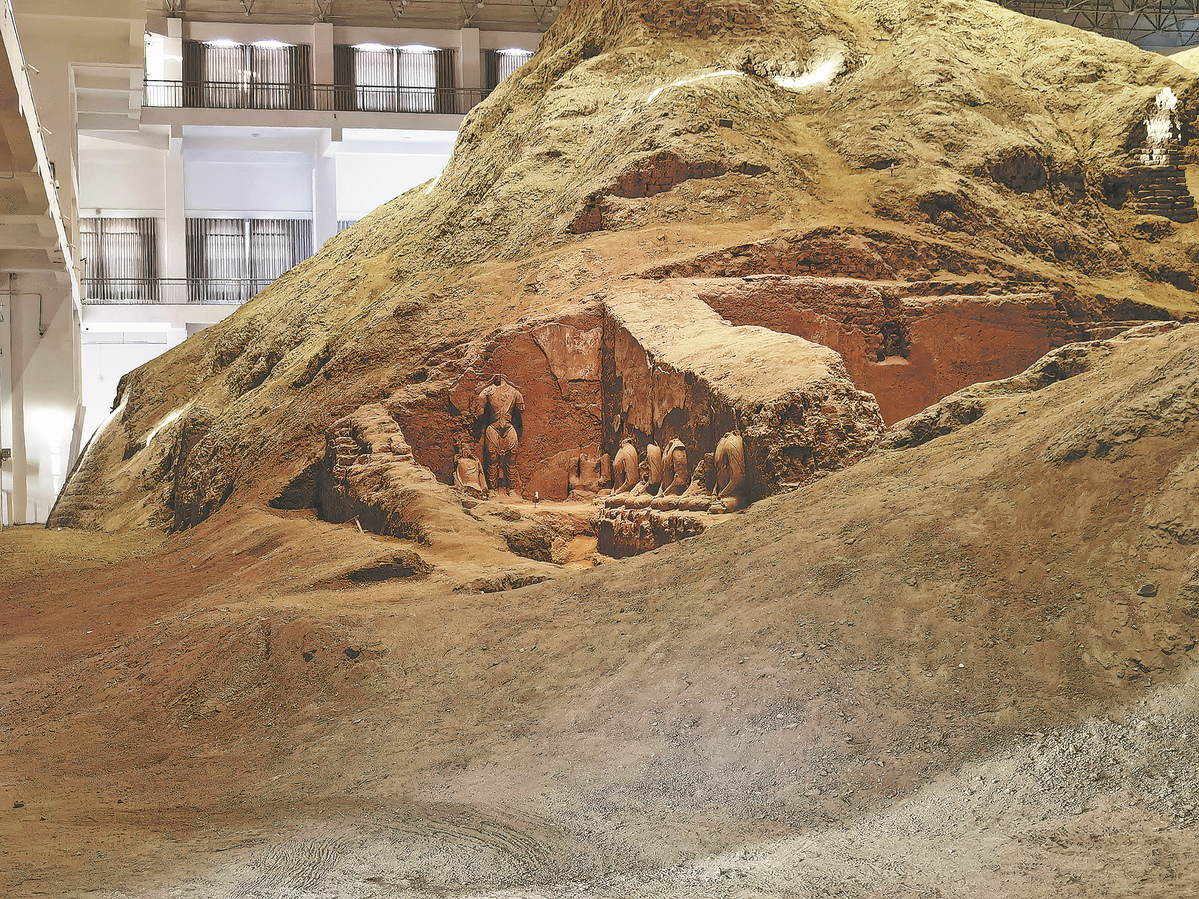
The archaeologist leads the excavations conducted in Bashbaliq City, or the Beiting ruins in Jimsar county, Changji Hui autonomous prefecture in Xinjiang. From the Tang (618-907) to the Yuan (1271-1368) dynasties, it served as a political, military, and cultural center on the Silk Road at the northern foot of the Tianshan Mountains. The site is the largest and best-preserved ancient city in this area.
Guo adds that the symposium will help society better understand the importance of frontier archaeology in fostering a strong sense of community for the Chinese nation, promoting exchanges and mutual learning among civilizations, and building a community with a shared future for humanity.





