



The meaning behind Chinese WWII films









This year marks the 80th anniversary of victory in the War of Resistance Against Japanese Aggression, with several movies about this topic set to be released.
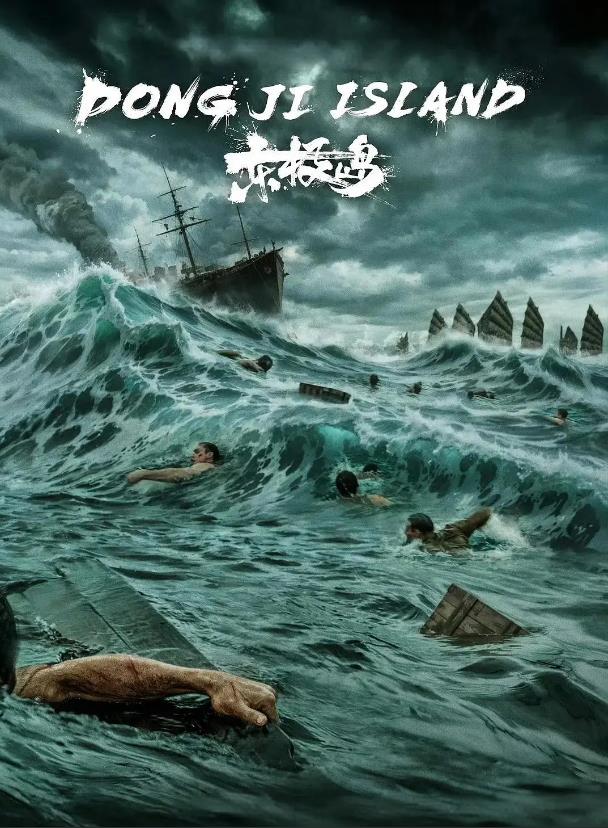
First up, there's Dead to Rights, which focuses on the Nanjing Massacre, followed by Dongji Rescue, from the director of All In Guan Hu, which is about the Lisbon Maru incident. In September, 731will be released.
The release of these films, focusing as they do on China's long struggle against Japanese aggression, has, perhaps inevitably, stirred up a lot of anti-Japanese sentiment, but is this the true purpose of these films?
The trailer for the movie Dead to Rights, which has not yet premiered in Hong Kong, is heart-wrenching. This work delicately portrays the cruelty of history and the brilliance of humanity. Many viewers are finding it hard to calm down after watching the film, moved not only by the fate of the characters but also as a result of their reflections on their responsibilities and missions as Chinese people. This film is not just a reenactment of history, it contains profound insights, reminding us to strive for self-improvement, unite as one, and collectively safeguard our country and peace.
The Nanjing depicted in the film arouses painful historical memories. The suffering of that time is heartbreaking, but this history teaches us that hatred and revenge are never the fundamental solutions to problems. Often, inciting anti-Japanese sentiment and amplifying hatred only leads society into greater division and confrontation. While past wounds are undoubtedly unforgettable, using emotional hatred as motivation to move forward undoubtedly deviates from the true historical significance. Chinese people should learn lessons from history rather than be blinded by hatred.
The true message of the film is hope for self-improvement and unity among Chinese people. Only when each of us takes on the responsibility of safeguarding our country and promoting social harmony can our nation become stronger and our people more united. This spirit of perseverance is the essence of Chinese historical culture. In the face of globalization's challenges and changes, only by standing united can we exert the influence we ought to have on the international stage, seeking long-term development and prosperity for our country.
Moreover, the damages of war remind us of the importance of maintaining world peace. The tragedies of history often stem from conflict and war, only a peaceful environment allows people to live in tranquility and happiness. As a member of the international community, China should actively promote peace and avoid exacerbating conflicts due to historical grievances. Peace is not only the cornerstone of national security but also a common aspiration of people around the world. Only in a peaceful atmosphere can humanity truly achieve prosperity and happiness.
While we will certainly remember the atrocities committed by the Japanese army back then, it is important to note that the actions of the past do not represent all Japanese people today – every country has good and bad individuals.
To harbor blanket anti-Japanese sentiments is unwise. However, Japan has consistently refused to acknowledge its war crimes, and there have been attempts to downplay this dark chapter of history.
It is to be hoped that the Japanese government will follow Germany's example by acknowledging its World War II-era crimes, compensating invaded nations, and assisting in their reconstruction.
This would be a more responsible approach.
The author is a Hong Kong-based commentator. The views don't necessarily reflect those of China Daily.
If you have a specific expertise, or would like to share your thought about our stories, then send us your writings at opinion@chinadaily.com.cn, and comment@chinadaily.com.cn.





