Taiwan residents reject DPP's political manipulation and separatist agenda









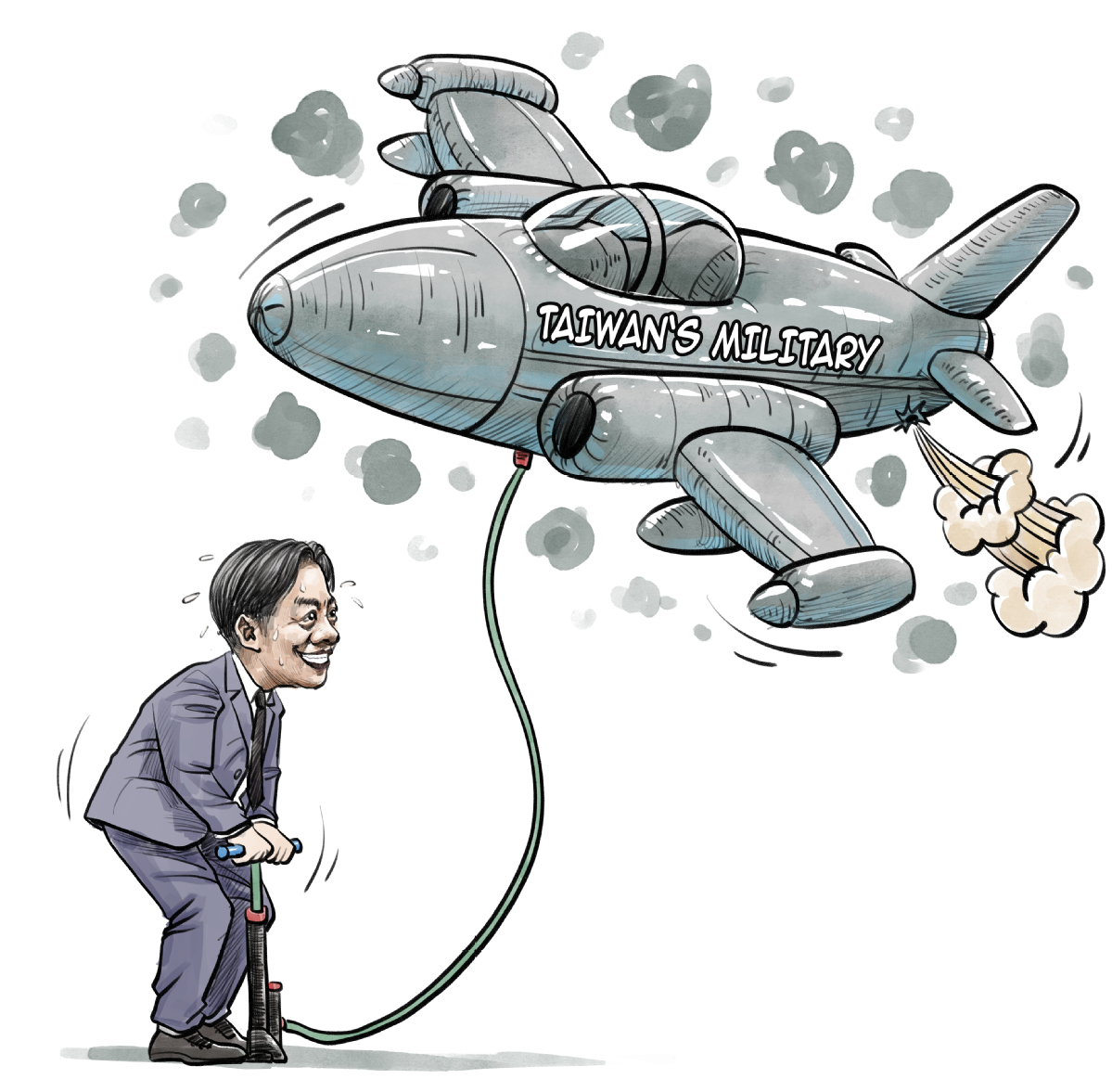
Editor's note: On July 26, all 25 recall motions backed by the Democratic Progressive Party against opposition lawmakers in the Taiwan island failed — none passed, most didn't even meet the turnout threshold. Widely viewed as a political attempt to silence dissent and regain legislative control, the campaign's collapse dealt a major blow to Lai Ching-te's agenda and raised sharp questions: Why did it fail so decisively? What does it reveal about voter sentiment? And how could it reshape the island's political future and cross-Strait dynamics? Three experts share their views with China Daily's Yao Yuxin. Excerpts follow.
Lai's power play meets popular rejection
On July 26, Taiwan's first wave of recall votes — launched by pro-DPP civil groups and tacitly backed by the DPP — ended in a landslide failure. None of the 25 recall motions against 24 Kuomintang legislators and one opposition mayor, Kao Hung-an, passed. It was a complete victory for the opposition and a humiliating setback for the DPP and Lai administration.
More than a procedural defeat, the result exposed the deep public skepticism toward Lai's combative leadership, his separatist stance, and his pro-United States policy direction. Voters rejected what many saw as a campaign of political retaliation masquerading as democratic accountability.
The recall effort was rooted in a refusal by Lai and the DPP to accept the new political reality. Though the DPP retained the power in early 2024 due to a split vote between the KMT and Taiwan People's Party, it lost its majority in the legislature. Confronted with a weakened legislative position, Lai's administration didn't seek bipartisan cooperation — instead, it launched a full-scale political offensive against every opposition district legislator, aiming to regain control through recall and by-elections.
The message from the people is clear: the public does not endorse this strategy. The recall votes have effectively served as a referendum on Lai's style of governance — one increasingly defined by partisan aggression, suppression of dissent, and heightened cross-Strait confrontation.
Voters were not convinced by the DPP's familiar playbook of accusing opposition lawmakers of being "pro-China" or "selling out Taiwan". Nor were they willing to tolerate political maneuvers aimed at eliminating checks and balances in the legislature. Lai's ambition to recapture a majority and reinstate one-party dominance was flatly rejected.
The broader implication is this: Taiwan's mainstream public opinion does not support Lai's attempt to flip the table after losing legislative control. The people do not want to see a return to "green terror". They value pluralism and balance, and they remain committed to the path of peace and development across the Taiwan Strait.
This failed recall marks a turning point. It's not just a political loss for the DPP; it's a public repudiation of a confrontational, divisive approach to governance. Whether Lai will learn from this and recalibrate — or escalate his confrontational rhetoric and tactics — remains to be seen. But one thing is certain: the people of Taiwan have spoken.
Chen Guiqing is a researcher at the Institute of Taiwan Studies, Chinese Academy of Social Sciences.