Unit 731 atrocities a deep wound that can't be forgotten
As 80th anniversary of war victory nears, memories of Japanese crimes still vivid










Anthrax bomb tests
Over the past three decades, Wang has worked with a number of Japanese World War II historians, especially those who have focused on germ warfare.
One of them, Shoji Kondo, interviewed about 300 veterans of the Imperial Japanese Army, including many associated with its biological weapons program.
"The testimonies show that experiments to test the effectiveness of anthrax bombs were conducted on humans at the unit's headquarters in Harbin in Northeast China's Heilongjiang province," said Wang.
"The subjects were tied to stakes while bombs containing the anthrax bacteria exploded in the air above their heads. The numerous tiny shards spread by the blasts were expected to cut through the skin to cause anthrax infection."
In 1936, Unit 731 established a top-secret biological and chemical warfare research base in Pingfang district in Harbin that tested bacteria on live humans, conducted various cruel human experiments, and let victims die in extreme agony.
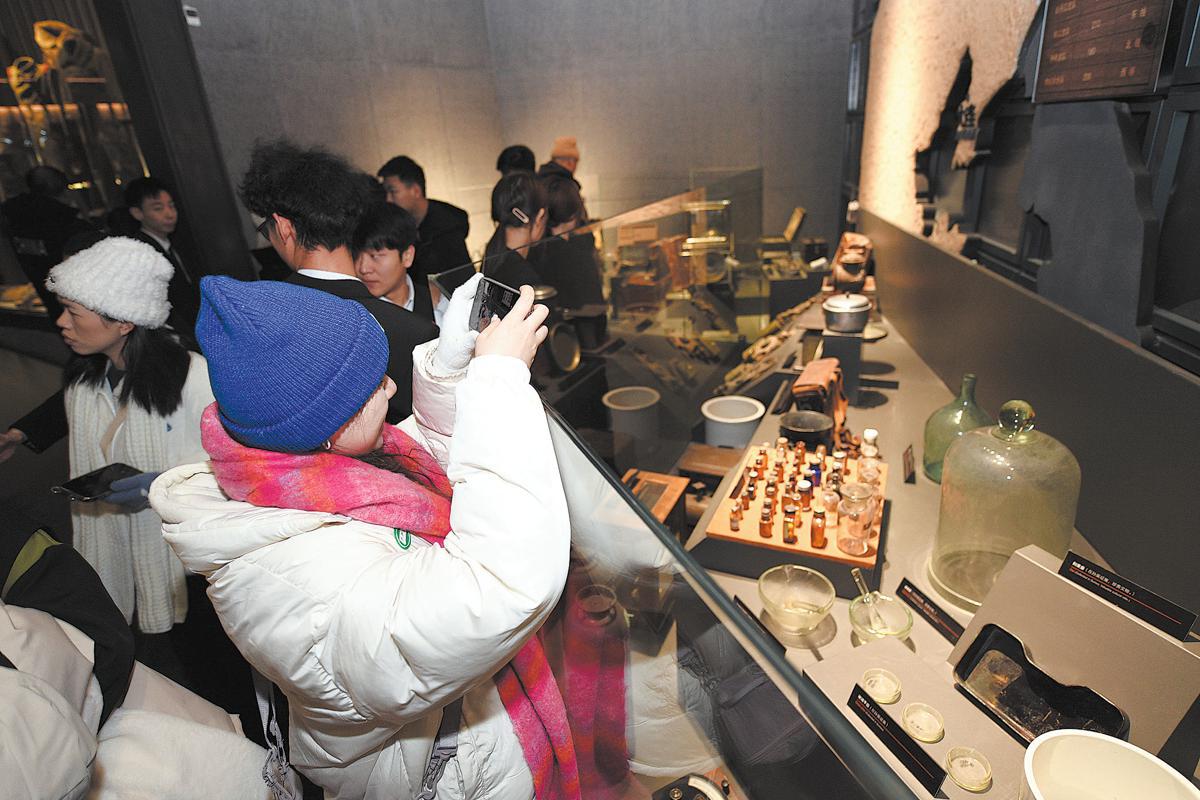
Unit 731 was the earliest Japanese biological warfare special force, the largest in scale, and staffed by many professionals. It was well equipped with facilities, according to the Exhibition Hall of Evidences of Crime Committed by Unit 731 of the Japanese Imperial Army.
Consisting of a headquarters, four detachments, and one health research institute, it served as the center of Japanese biological warfare in China and Southeast Asia.
At least 3,000 people were used for human experiments by Unit 731, and more than 300,000 people across China were killed by Japan's biological weapons.
On Aug 14, 1945, the retreating Japanese forces of Unit 731 fled China. But before leaving China, Unit 731 members tried to gun down all the Chinese survivors and destroy incriminating evidence of the atrocities it committed.
After the Pingfang District Cultural Relics Management Office was established in 1982, more domestic and foreign scholars began conducting research on Unit 731, gradually bringing the hidden truth and evidence to the surface.