Global aid cuts put children's lives at risk









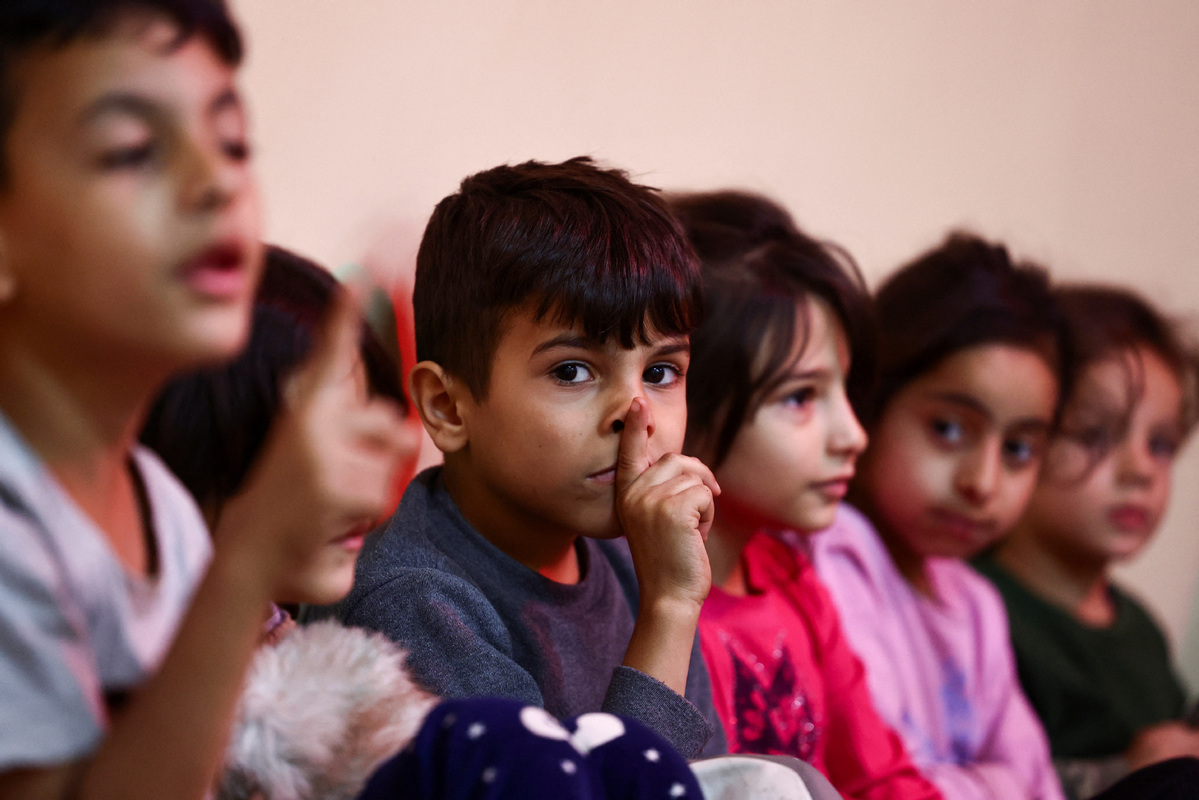
Children around the world are in crisis. Every day, stories of suffering light up our screens, as emergencies erupt across the globe: children devastated by the conflict in Gaza; children ravaged by hunger in Sudan; children in need of protection in Afghanistan. Each day a new crisis unfolds that leaves children and their families reeling.
Organizations such as UNICEF exist to help children in crisis and make sure they get the help and protection they need. But our ability to do so depends on the generosity of governments, the private sector and individuals around the world funding our work. In recent years, international aid funding has been in steady decline, but these cuts have now accelerated alarmingly.
The unprecedented scale and speed of change is disrupting critical services and putting the lives and well-being of millions of children at risk. These cuts are unprecedented and are posing an immediate and severe threat to children's rights.
On nutrition, for example, UNICEF estimates nearly 15 million children and mothers could have their access to nutrition services such as therapeutic food disrupted, leaving them vulnerable to severe malnutrition and even death.
Immunization efforts are also facing a growing threat. The global funding crisis is severely limiting UNICEF and the World Health Organization's ability to vaccinate more than 15 million vulnerable children against measles in fragile and conflict-affected countries. Immunization services, disease surveillance and outbreak response in nearly 50 countries are being disrupted — with setbacks at a similar level to what we saw during the COVID-19 pandemic.
In other words, UNICEF's humanitarian response is at risk. We are looking at a shortfall of more than 40 percent of dedicated emergency funding in East and Southern Africa alone. Because of this, children will die from entirely preventable causes — not only malnutrition, but also lack of clean water, safe sanitation and essential health services. Countless more will miss out on education and programs that protect them from harm and abuse.
Children's lives are at stake, precisely when they need our support the most. Throughout UNICEF's history, we have worked with our partners to uphold children's rights, provide life-saving humanitarian aid, and advance children's development and well-being.
Today, the needs are greater than ever: a historic high number of children (nearly one in every five) are living in conflict zones; a record number of children (nearly 50 million) are displaced by conflicts and disasters, and nearly half the world's children live in countries that are at extremely high risk of being severely impacted by climate change. UNICEF estimates that more than 213 million children globally will require humanitarian assistance in 2025.
In an interconnected world, aid cuts anywhere threaten security and economic prosperity everywhere. Here are some of the things we need to do.
First, protecting children from deadly but preventable diseases is one of the most profound things we can do as a global community. It's also one of the smartest. Over the past 50 years, immunization has saved the lives of 146 million children, accounting for 40 percent of the drop in infant mortality during the same period. Vaccinating a child doesn't just save that child from deadly childhood diseases; it protects all of us by preventing disease outbreaks that can easily cross borders and become global health threats.
Second, by increasing access to clean water, safe sanitation and nutrition, we can protect children from illness and hunger — and lay the foundation for resilient, thriving and peaceful communities. In just 25 years, global action has halved the number of children dying before their fifth birthday and reduced childhood stunting by 33 percent.
Third, humanitarian responses to conflict and natural disasters, and investing in keeping children safe helps prevent displacement across borders. Left unchecked, political instability degrades social systems and breeds extremism.
And fourth, investing in quality education increases children's ability to cope with challenges and makes them more likely to find employment as adults, contributing to overall social development.
Saving and protecting millions of children's lives is a collective endeavor. The hard-won progress the world has made in recent decades has been possible because of the generosity of donors and the tireless work of thousands of aid workers worldwide.
UNICEF is determined to stand up for the world's children, especially during these times of unprecedented need. Every dollar or yuan invested in humanitarian aid and development creates long-term benefits for children and families, and a more stable and secure world for all.
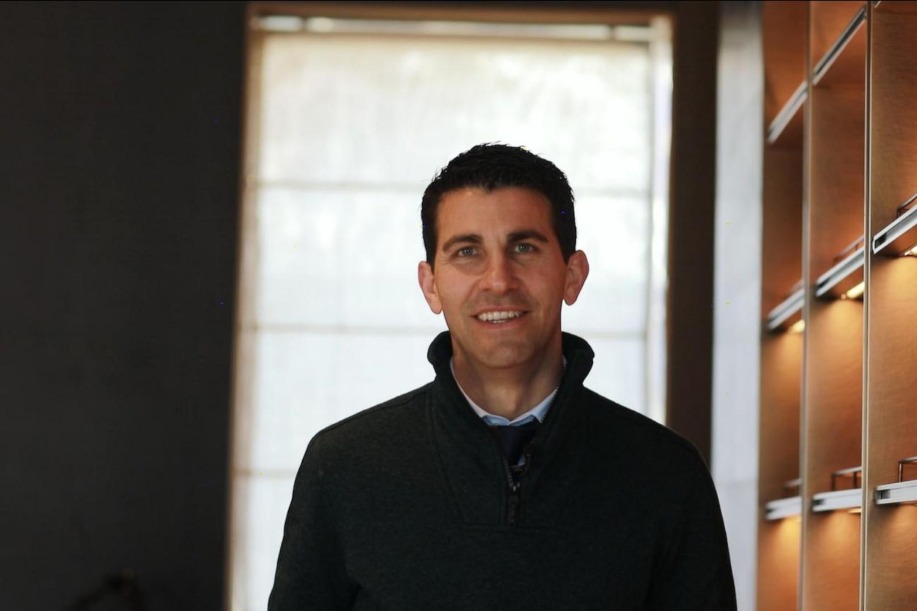
The author is UNICEF representative to China.
The views don't necessarily reflect those of China Daily.
If you have a specific expertise, or would like to share your thought about our stories, then send us your writings at opinion@chinadaily.com.cn, and comment@chinadaily.com.cn.