



Whimsical takes on Chinese characters









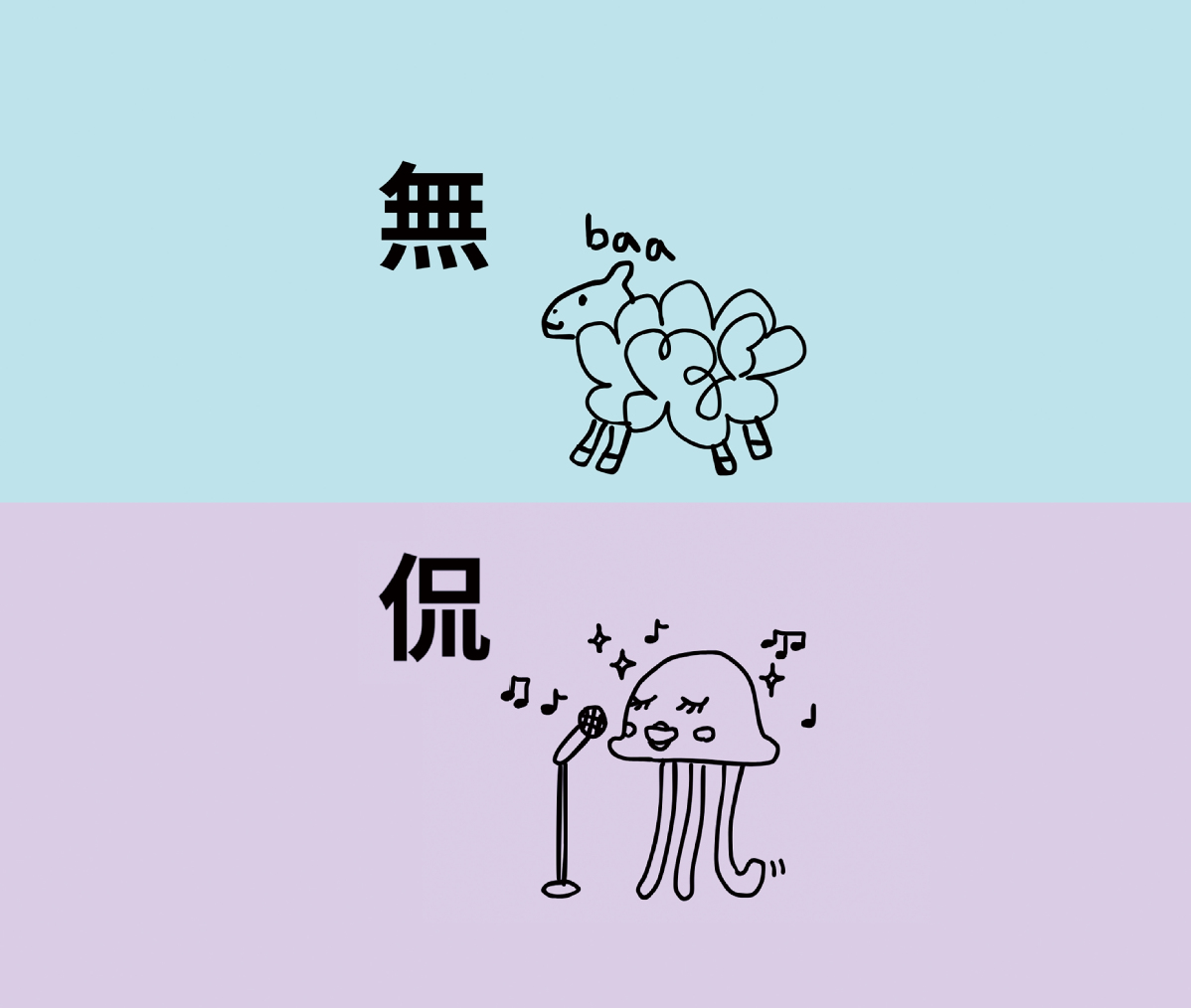
To most people, Chinese characters may seem like random combinations of strokes and radicals. But to Lena, a 20-year-old politics major from Northern Virginia, United States, each one tells its own story.
In her eyes, the character "ren", meaning "person", resembles the muzzle of a cat, "ceng", meaning "once", looks like an angry robot, and the traditional form of "wu", meaning "vain", reminds her of a sheep.
One day, she spent just 30 minutes sketching "wu" — her first attempt at drawing a Chinese character — and posted it on Xiaohongshu (RedNote).To her surprise, the simple doodle went viral, receiving 40,000 likes overnight.
Now, with dozens of similar posts featuring her whimsical, imaginative drawings, Lena's creations have sparked conversations about language, art, and cultural exchange.
She grew up in a diverse community with a large Asian population, where she was surrounded by languages and cultures very different from her own.
"I had Chinese friends when I was a kid. Sometimes I would see their names on lunch boxes or name tags and just thought it was fascinating — this language I had never seen, which looked nothing like any of the Western languages I was used to," Lena recalled.
This early curiosity stayed with her and resurfaced in college during a course on US-China relations, which sparked a deeper interest in modern Chinese culture.
Her creative breakthrough, however, came from an unexpected place: TikTok. When discussions about banning the app began in the US earlier this year, many young people — including Lena — turned to China's Xiaohongshu "as an act of defiance".
Immersed in Chinese social media, Lena started to notice more characters that "stood out as looking like different objects".
She describes herself as imaginative and highly perceptive. "My mind is very visual," she explained. "I use imagination to help memorize things."
In addition to writing, Lena has been practicing her spoken Chinese by dubbing her videos on Xiaohongshu. The process blends creativity with practicality: She uses AI tools to translate her English scripts into Chinese, listens to the generated pronunciations, and carefully mimics them. "I didn't want to mispronounce anything," she said.
She also translates all her Xiaohongshu posts into Chinese. "I really wanted my content to be geared toward Chinese people — as a way of showing appreciation for the kindness I've received," Lena explained.
This sense of reciprocity has led to meaningful connections — she's made Chinese friends online who now chat with her about everything from daily life to local food.















