Build bridges between China and India









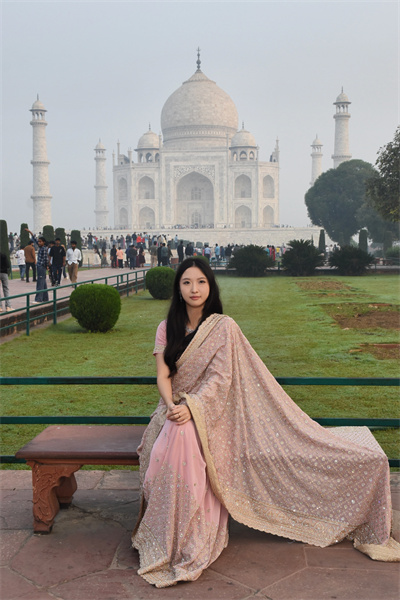
Deng Fuxin, from Mianyang, Sichuan province, studied Hindi for three years at the Communication University of China. Yet, when she first arrived in India last October, she was still amazed by the unexpected warmth and connection she experienced there.
Upon her arrival, the 20-year-old and her companions were cautious, sticking together when going out due to their unfamiliarity with the area. However, the kindness of the locals quickly eased their worries.
"An elderly tuk-tuk driver couldn't find the hotel we were looking for, so he drove us around asking for directions. In the end, he only charged us a small fare," she recalled.
The convenience of life in India also far exceeded her expectations. "The competition among delivery and takeaway apps is so fierce here that food can arrive just 8 or 9 minutes after ordering," Deng said.
To her, Chinese and Indian cultures share a delightful resonance. She noticed that India's "chai culture" is quite like Sichuan's teahouse culture.
"Elderly men sell chai (a tea-like beverage with a mix of spices) on the streets for 10 rupees ($0.12) a cup, roughly 0.8 yuan. It's almost like a national addiction — everyone here drinks several cups a day," Deng explained. "The difference is that Indians drink chai anytime, anywhere, while people in Sichuan prefer to gather in teahouses."
The culinary similarities surprised her even more. Indian momos are almost identical to Chinese dumplings, and a popular meat curry in India tastes very similar to China's braised dishes.
"Many of my Indian friends are very interested in Chinese cuisine and love foods like Chinese buns and fried noodles. I also noticed that Indian dishes appeal to many Chinese people as well," she said.
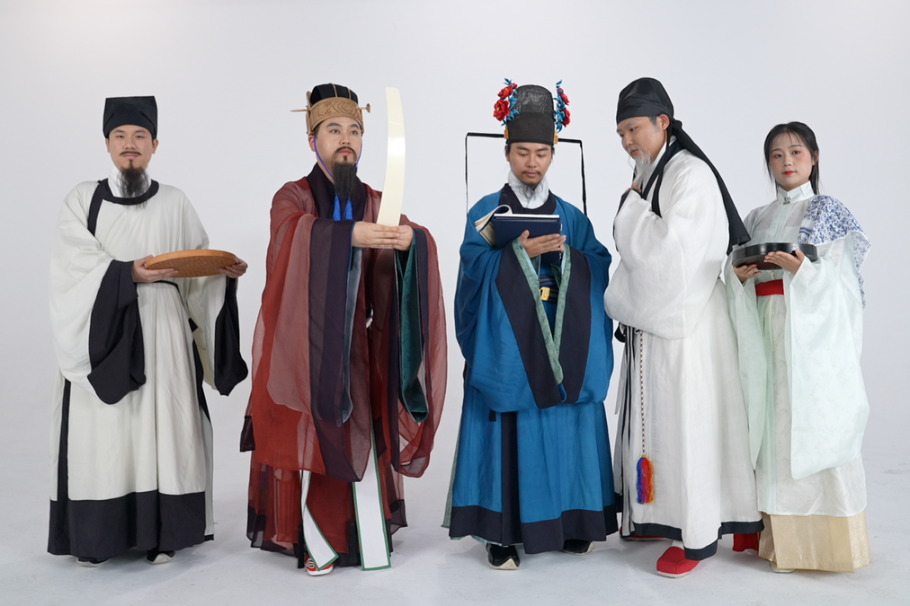
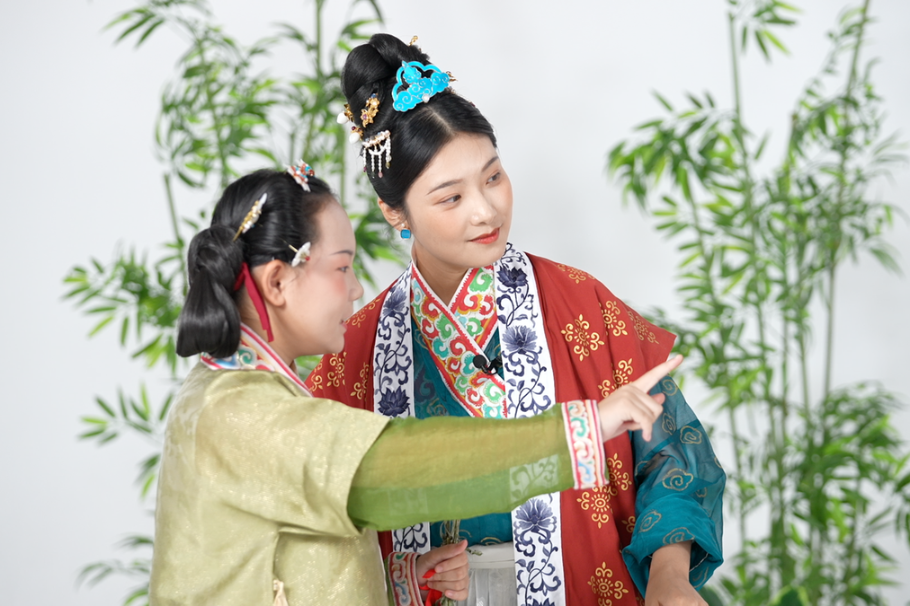
Both countries also share a deep appreciation for tradition. Deng observed that Indian girls typically wear saris on special occasions, and many from the older generation wear them regularly. There is also a growing curiosity about hanfu (traditional Chinese attire).
"Some Indian girls at our school even transformed their saris into mamianqun (horse-face skirts) to perform at the school's Chinese New Year gala," Deng recalled.