Japan looks to cool hot spring tourism









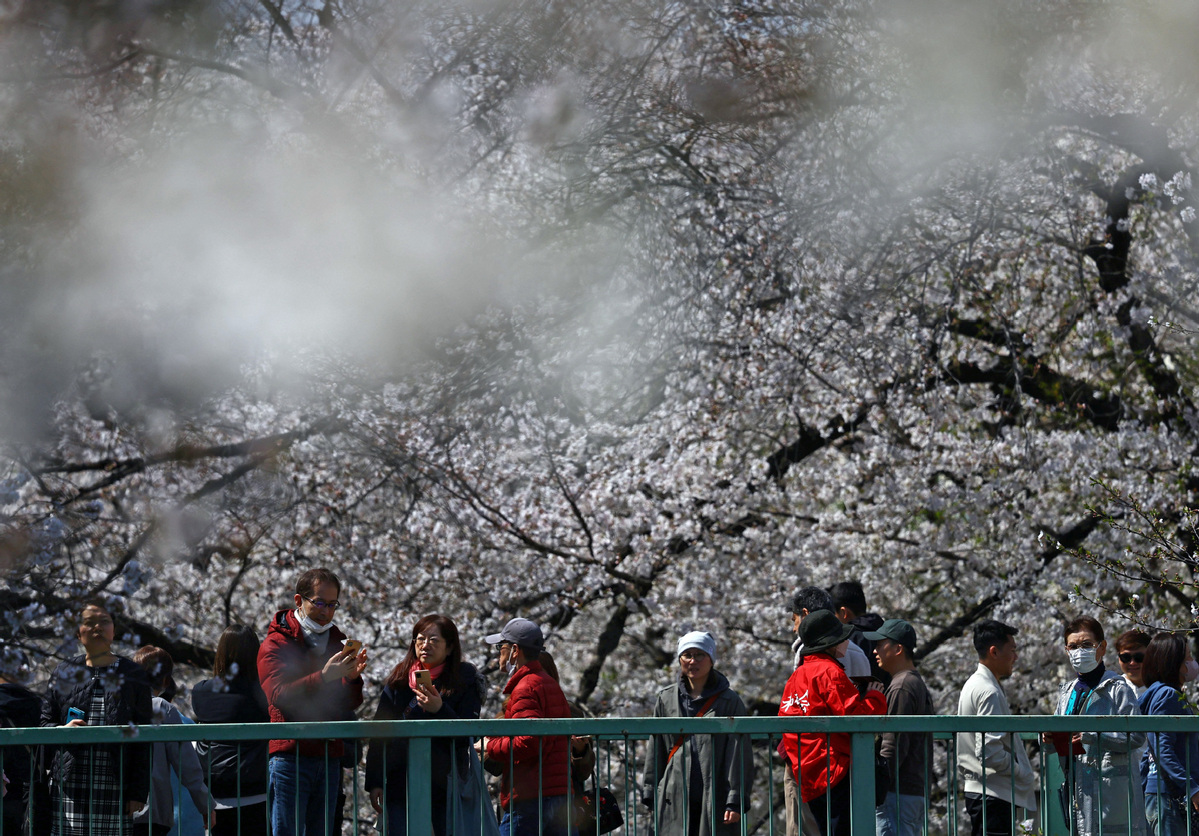
Spring marks a peak travel season in Japan, with cherry blossoms drawing visitors from around the world. However, tourism may be a little too heated this year, as local authorities ramp up efforts to cool one of the country's traditional industries — hot springs.
Authorities in Ureshino, Saga prefecture, are tightening control over its booming hot spring businesses after noticing a significant drop in underground water levels, Kyodo News reported. This has led to insufficient hot spring water supplies at many resorts and could even force some hotels to close.
The authorities have introduced measures, including limiting daily hot spring extraction and regulating late-night in-room baths, to gradually restore water levels and mitigate the effects of rising tourist numbers.
Ureshino Mayor Daisuke Murakami said in January that city officials were taking the issue seriously, as the average water level at the source of the Ureshino hot spring resort had dropped to a record low of 40.8 meters last year.
The number of foreign visitors to Japan reached a record 36.87 million last year, a 15.6 percent increase from 2019, driven by the yen's depreciation and the resumption of flight routes after the pandemic, according to government data.
Inbound tourists spent 8.14 trillion yen ($54.5 billion) on accommodation, shopping and other expenses last year, surpassing the previous record of 5.31 trillion yen in 2023, the Japan Tourism Agency said.
Although a major driver of Japan's economy, the thriving tourism industry has brought several challenges, such as in management, environmental protection and sustainable development.
Yoshinobu Ota, executive director of the overseas promotion department at the Japan National Tourism Organization, emphasized the growing momentum behind sustainable tourism in Japan.
"It's important to create better communities for both residents and tourists without harming the natural environment or the well-being of local people," he told China Daily.
In addition, Ota highlighted the Japan Tourism Agency's collaborative efforts with local governments and businesses in improving visitor infrastructure, tackling shortages identified by foreign travelers, such as multilingual signage, trash cans and free Wi-Fi access.
In the hot spring town of Hakone, authorities are considering a lodging tax to cover rising tourism-related costs, including the maintenance and operation of tourist facilities, as well as services like waste and sewage disposal for visitors, The Mainichi reported.
Last month, the Shizuoka prefectural assembly approved a government proposal to charge each climber at Mount Fuji a fee of 4,000 yen starting July, while also restricting trail entry hours. This measure aims to address the growing number of tourists and the resulting environmental and management pressures on the mountain.
In addition, the Japanese government is discussing raising the International Tourist Tax, which is now 1,000 yen per person and levied on people leaving Japan as a "departure tax".
Sun Ting, a Chinese tour guide specializing in Japan tours, told China Daily that resource shortages, such as hot spring water depletion, should not be solely blamed on foreign visitors. Inadequate infrastructure and labor issues are also contributing to overtourism in popular Japanese destinations.
"It's acceptable and reasonable for some local governments to increase taxes in major tourist destinations to cover management costs caused by overtourism," she said. "But I hope foreign visitors can be treated as equally as possible to locals, who also consume large amounts of public resources such as buses or hot springs."
Higher taxes and new restrictions will certainly affect tourists' itinerary choices, with many likely to opt for off-the-beaten-path destinations that offer better service, she added.
Jiang Xueqing in Tokyo contributed to this story.
houjunjie@chinadaily.com.cn