


Drawing a plan for art education
Exhibition highlights how subject was established, developed and began to thrive with changing systems of teaching, Wang Ru reports.









Historical value
The formal education of fundamental fine arts is believed to have started from 1904, when Emperor Guangxu of the Qing Dynasty issued a document on the new educational system of China, which introduced fine arts to curricula.
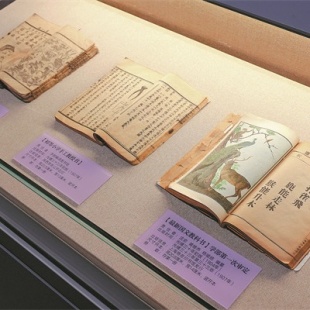
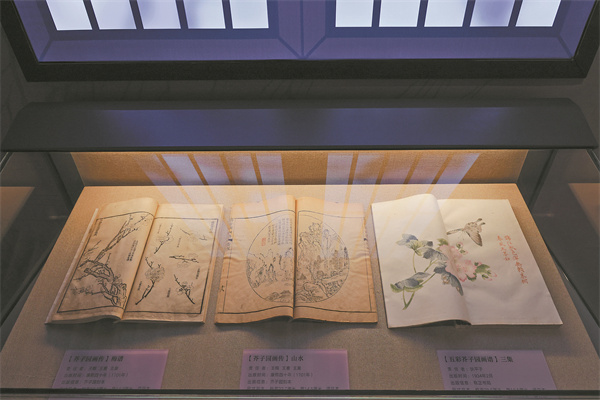
There are many related archives on display showing the huge waves of reforms in China's education at that time. Wang says their organization preserves a number of archives related to this part of history, which are unique and of high historical value.
In earlier times, keju, or imperial exams, prevailed as the primary method through which individuals could ascend to governmental positions. Within this framework, Chinese students mostly learned Confucian classics in home schools under the guidance of private tutors.
But at the end of the Qing Dynasty, people gradually realized the system lagged behind with the development of the times. Following the 1904 document, keju was abolished in 1905 to promote the establishment of various new schools, which borrowed experience from foreign countries and imparted knowledge of more subjects like math, science and fine arts.
The exhibition shows a telegraph from Qing Dynasty official Zhang Zhidong to his colleague Duanfang in 1902, which described Zhang's advice of curricula setting, and another one from official Liang Dingfen to Zhang in 1903 about setting up kindergartens, primary and middle schools in the capital, present-day Beijing.
"They all demonstrate during the germinating period of basic fine arts education that officials in different places promoted rudimentary changes in the educational system, which finally led to rich and diversified subjects in new schools so that fine arts could thrive," says Li.