


Journey steeped in fog of myth










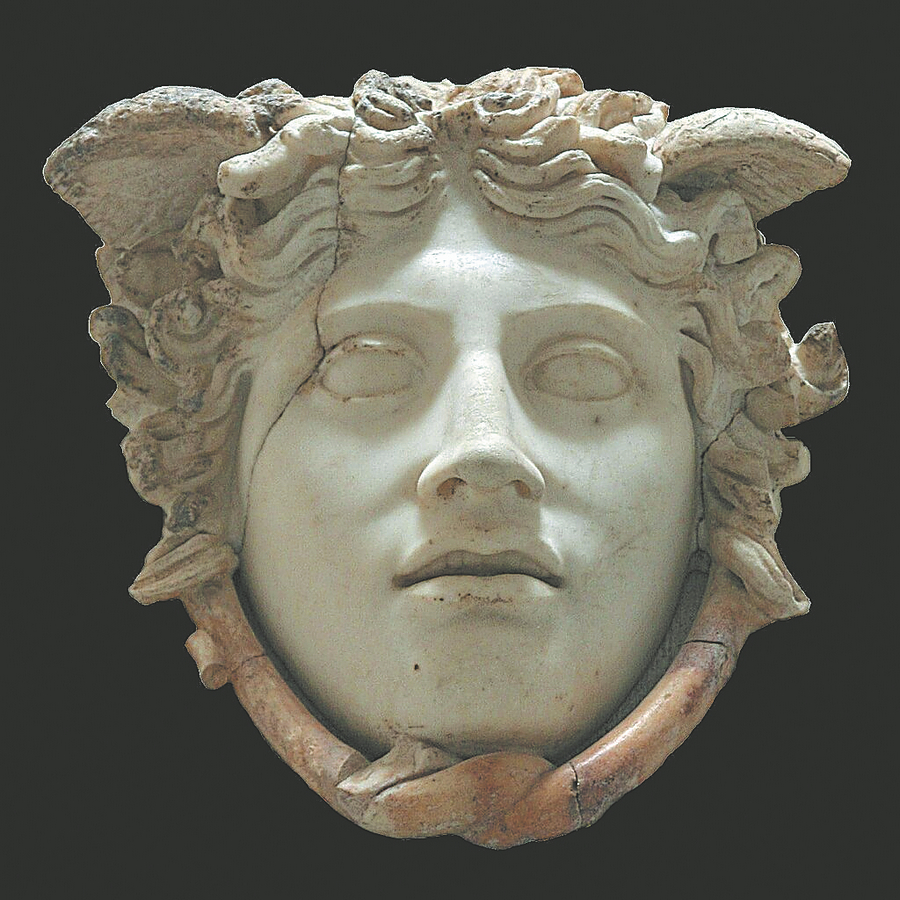
In Ovid's Roman retelling of the Greek myth, Poseidon, the god of the sea, desired Medusa and raped her in Athena's temple, violating the sacred place. Enraged by the desecration of her temple, Athena, instead of punishing Poseidon, directed her wrath at Medusa, transforming the poor girl into a Gorgon, a monstrous figure with snakes for hair and a gaze that turned anyone who looked at her to stone. As if to add another layer of poignancy and irony to Medusa's fate, she was later slain by Perseus, a hero in Greek mythology who gave her severed head to Athena to be placed on the shield of the goddess as a protective emblem.
Later-day interpretations of Medusa's story continue to evolve, reflecting shifting cultural understandings. Modern readers and scholars often see her tale as a commentary on the injustice faced by women in both mythology and society. Some, however, interpret Athena's actions — though harsh — as an attempt to shield Medusa from further harm, granting her a mournful form of empowerment.
Divine wrath invariably exacted a heavy toll. In Virgil's Aeneid, Laocoon, a Trojan priest, warned his countrymen against bringing the wooden horse into the city, uttering the famous line: Timeo Danaos et dona ferentes ("I fear the Greeks, even when they bring gifts"). His warning was ignored. The massive wooden horse, constructed by the Greeks with a hollowed-out interior to conceal their elite soldiers, was welcomed into the city as a peace offering. At night, the Greek soldiers emerged from the horse, opening the city gates to the returning Greek army, leading to the fall of Troy.
Yet, Laocoon didn't even have the chance to witness that fall — as punishment, he and his two sons were strangled by two enormous sea serpents sent by gods who supported the Greeks. In 1506, a statute of Laocoon and His sons was excavated in Rome and put on public display in the Vatican Museums, where it remains today.





