



Tale of three cities









In the same spirit
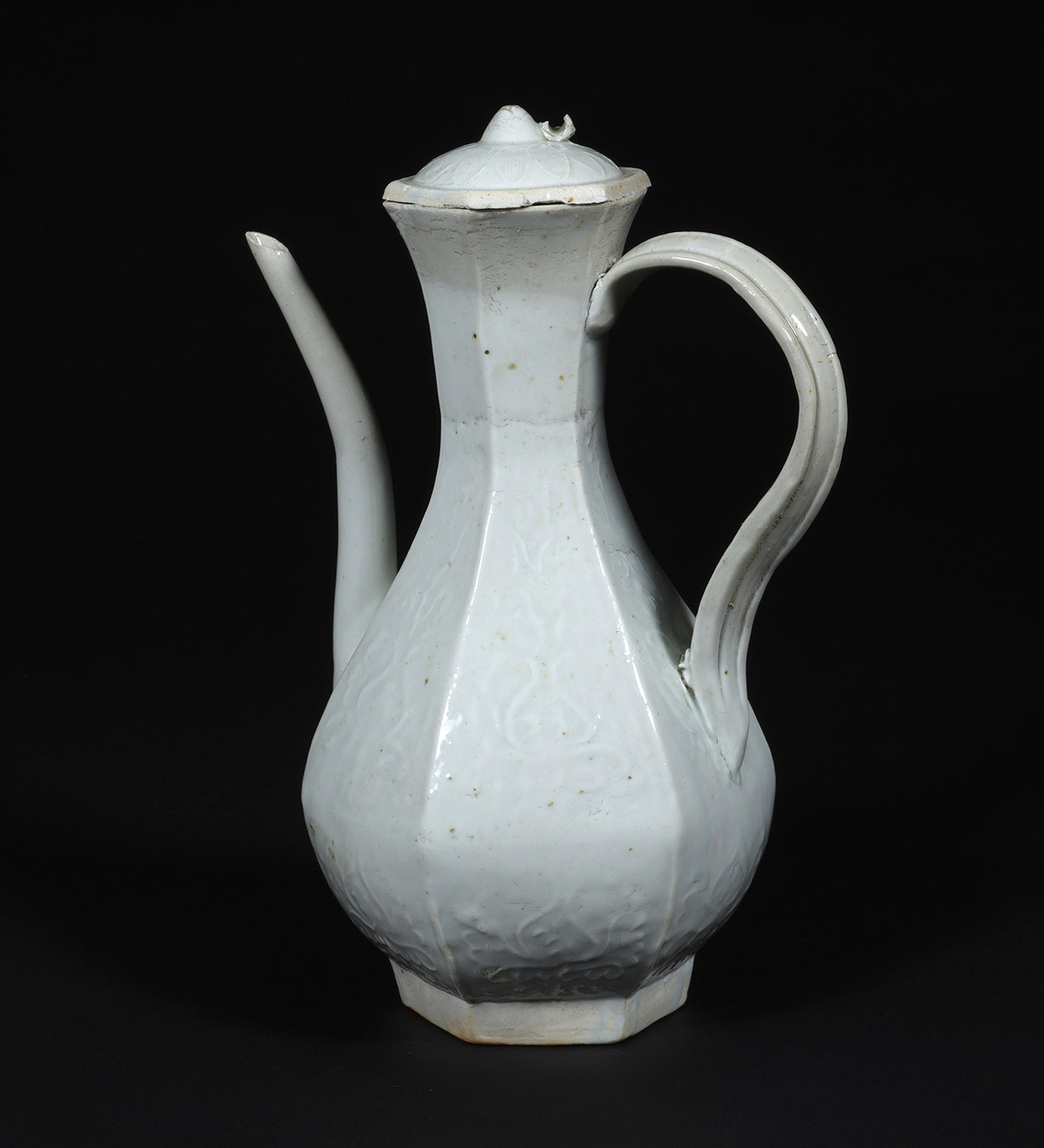
While Nanhai I serves as the show's epicenter, the archaeological treasures salvaged from it are shown to resemble, or resonate with, relics found in different locations across the Pearl River Delta — from Sai Kung and Lantau Island among several others in Hong Kong to the St. Paul's College site in Macao. The exhibition connects the three cities of Hong Kong, Macao and Guangzhou, not only in terms of shared maritime routes, and the flow of objects between them, but also in terms of a shared ethos.
For instance, samples of Kwangtung jars recovered from Nanhai I and the Sacred Hill site in Hong Kong's Kowloon City are shown to bear stamps of the same brewer. During the Song Dynasty (960-1279), the making and consumption of wine was a significant part of the social lives of maritime traders running their business from Guangzhou port. The local government had a monopoly on brewing wine, as the discovery of the site of the official wine storehouse in 2019 — literally in the backyard of the palace of the Nanyue Kingdom — helps establish. However, a wall text from the exhibition reveals that to keep up with the growing demand, especially from the non-Han consumers residing "at the border", the restriction on private wine-making enterprise was eventually lifted.
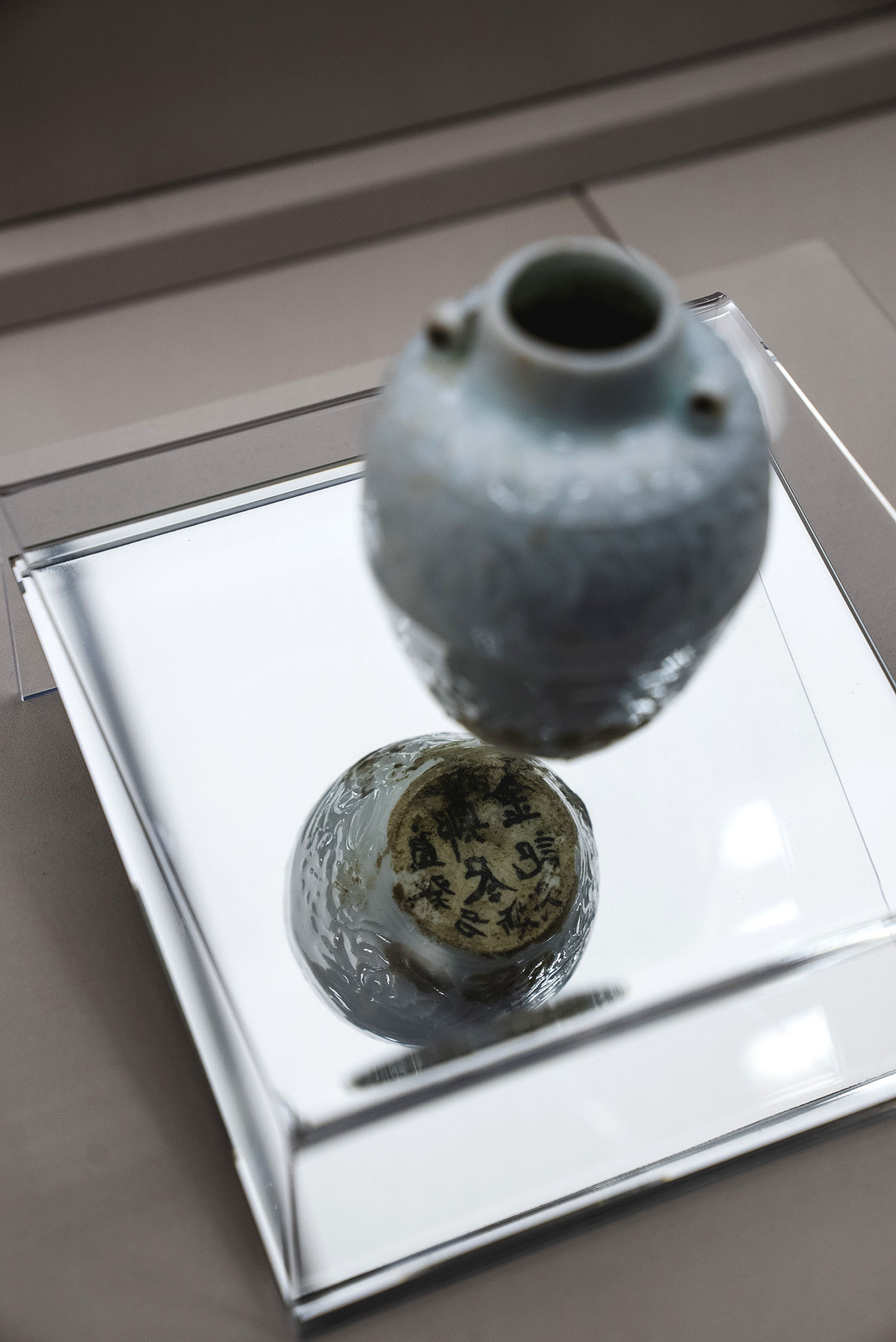
The policy shift would help archaeologists many years later, for private brewers often stamped and dated their products. Two objects in the exhibition — a luminous Qingbai glazed white porcelain jar and a brown wine jar with lugs — display the same year of production, marked in ink. Lee says that the double proof adds weight to archaeologists' deduction that Nanhai I did indeed sail, and sink, in 1183 or shortly afterward.
During the Song and Yuan (1271-1368) dynasties, Guangzhou and Hong Kong seemed to share a tea culture as well. To illustrate their shared cultural quirks, a black-glazed tea drinking bowl (960-1368) from the Yulinting Kiln, Fujian province, unearthed in 1998 at Ho Chung in Hong Kong's Sai Kung and another one recovered from Nanhai I appear side by side at the exhibition. The Chinese characters shou shan fu hai (mountain of longevity and sea of happiness), inscribed on the inner surface of the first, have since been partially lost to decay. "The glaze in the Nanhai I bowl is better preserved. You can almost see your reflection on it," Lee says. "But both pieces belong in the same family, and were made in the same area."


- A Date with Shandong: Weifang, the city painting the sky
- Liuzhou incident leaves 4 dead, 1 injured; investigation underway
- Communist Youth League of China has nearly 78.34 million members
- Niche tourism steals spotlight in China's bustling May Day holiday travel season
- Visit to Eswatini in spite of earthquake at home criticized
- Xinjiang entrepreneur Li Jianhong killed in Albanian car crash





