


Hwang's aspiration to become a writer began in the fourth grade. He wrote his first essay, Homecoming Day, for a composition class about returning after the war to find his home half-destroyed. After winning the top prize in a national writing contest for primary school students, the essay was published in a newspaper, which inspired Hwang to pursue a career in writing.
He wrote his first story at 16 and three years later won the New Writer Award organized by Sasanggye (The World of Thought) magazine, marking the beginning of a lifelong writing career. He dedicated considerable time to learning about society through personal experiences and interviews, aiming to better understand reality.
He participated in social movements and traveled, working in various factories to make a living. By his mid-20s, Hwang had experienced wars, displacement, vagrancy, laboring in sweatshops, imprisonment and even becoming a monk. These experiences were invaluable for his personal growth, offering him unique perspectives on his country and society. They also provided rich material that he would later reflect on and transform into outstanding novels.
In the following decades, Hwang continued to observe society and address its problems in his works.
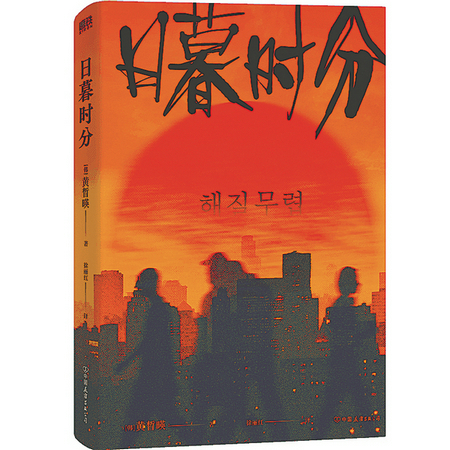
In At Dusk, he focuses on the rapid urbanization in the ROK, a period when villages transformed into cities with a booming real estate market, commercial growth and what he saw as cultural decline.
In 1998, Hwang was released from prison as Asia was going through a serious financial crisis. When the situation improved, a global economic crisis hit in 2008. In these hard times, the socially vulnerable and younger generations felt particularly helpless.
Since the start of the 21st century, the ROK has overtaken Japan with the highest suicide rate in the world. This increase, Hwang says, was not "due to extreme despair or helplessness but the unwillingness to live in disgrace". Many individuals chose to die with their families. Such was the dark atmosphere in the shadow of capitalism, he adds.
Zhi An says: "What impressed me most about the novel is that, although progress has significantly improved material living conditions, it has not brought the expected increase in happiness."
For Hwang, the novel offers younger generations a chance to review the mistakes the older generations made on their way forward in the process of modernization.
Using the psychological term "a hole with a lid", Hwang compared the mistakes that one made in life to holes, which were often temporarily covered or filled as a quick way to deal with them.
As people moved forward, looking back revealed holes everywhere.
"When we return to the holes, open the lids and reexamine the darkness inside, such a review marks our personal growth. Our society develops the same way," Hwang says.
"Looking back and opening the lids to reexamine those holes is the function of literature," he says, adding that "the publishing of this novel is connected to this function as well".
Hwang believes that during the process of social development, the older generations covered or filled holes they made along the way. Now is the time to hand them over to the younger generations for reflection, he adds.
For decades, he stuck to traditional methods to collect materials for his realistic descriptions of life and work, such as those in At Dusk. Before starting the novel, he went to the suburbs of Seoul to talk to young men working in cafes and pizza shops. He asked them about their lives, and when they mentioned their girlfriends, he would ask them to bring them to their talks. On their days off, he would ask them out for drinks. "It takes at least one month to gain a better understanding of their lives, which is essential work for a writer," he says.
"When I write about other people's lives, I often think about what they are thinking and what their life is like so that readers can resonate with my works," he adds. "Resonance and connection are the foundation of literature in the 21st century."
Although Hwang experienced a lot of turns and twists in earlier years, he says that "on the whole, the world is getting better".
When asked about dealing with the relationship between writing and the advancement of time, he says, "for me, it's not about staying young forever but continuously adapting to a changing society".
As one of the first authors in the ROK to write online, he learned to use ChatGPT 4.0 three months ago to assist with his research, which greatly improved the quality and efficiency, he says.
Contact the writer at yangyangs@chinadaily.com.cn





