


Book series opens conversations on culture
Dialogues between Chinese and English characters break down complex technical terms for an easy and interesting read









We live in an age when it is more essential than ever that people understand each other's cultures. Economics and geopolitics loom large for diplomats dealing with other countries. But we must remember the importance of culture, which embraces the arts, education and also people-to-people relationships. Cultural relationships are important no matter the state of geopolitics. People-to-people relationships can help to improve those in other areas. Good relations among ordinary people are always important and can help enhance understanding across nations and cultures and turn away misunderstandings.
For too long, Westerners have considered their culture superior to others. As a great admirer and lover of European music since childhood, I am not about to belittle Western culture. But I most certainly am going to assert that it is not the only great culture and that Chinese culture must be understood and appreciated in its own terms and within its own context.
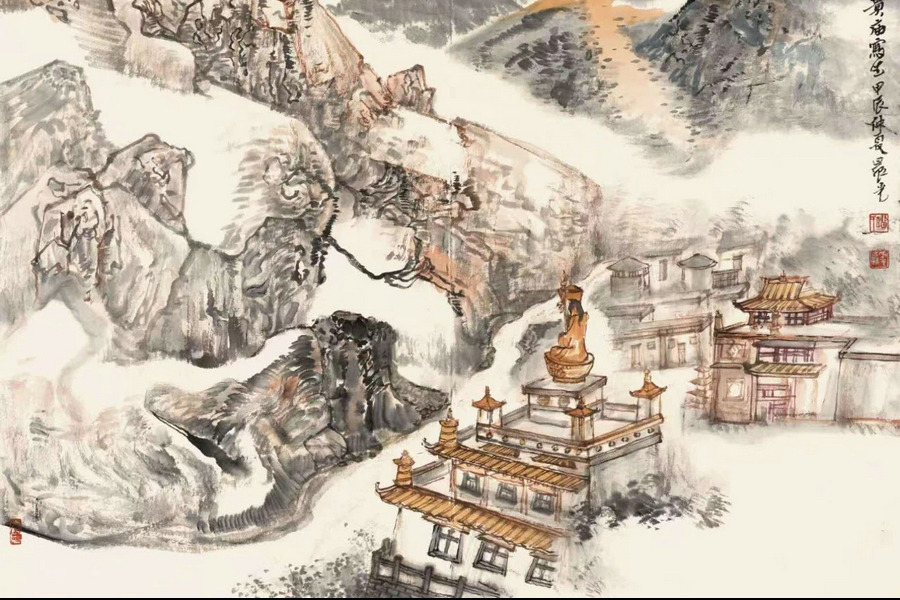
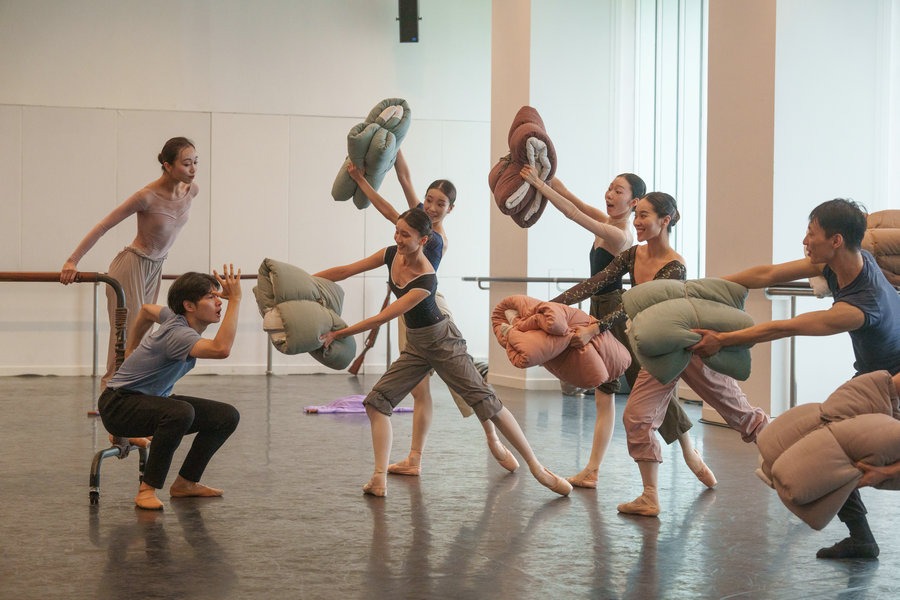
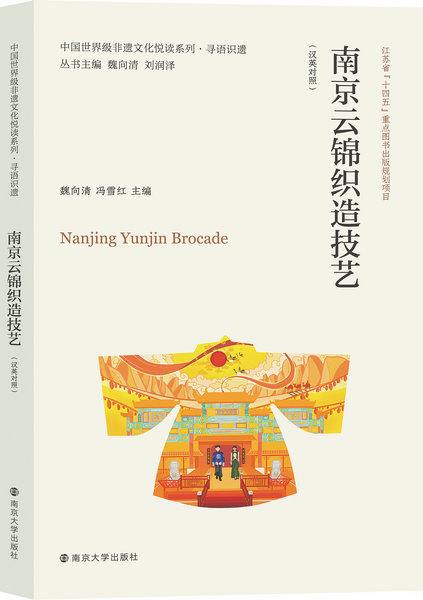
One of the key features of these small books is that they are written in Chinese and English and they present Chinese traditional culture in a straightforward, interesting way that does not fail to inspire. For example, we are introduced to a young Chinese man called Xiaolong and his English friend David. Specialists in this particular aspect of culture then help the two answer their questions and improve their understanding.
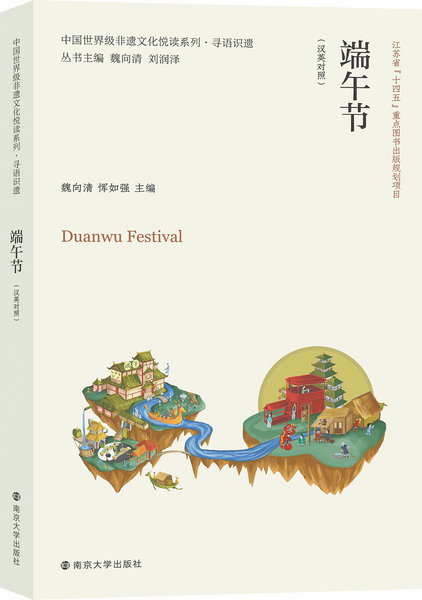
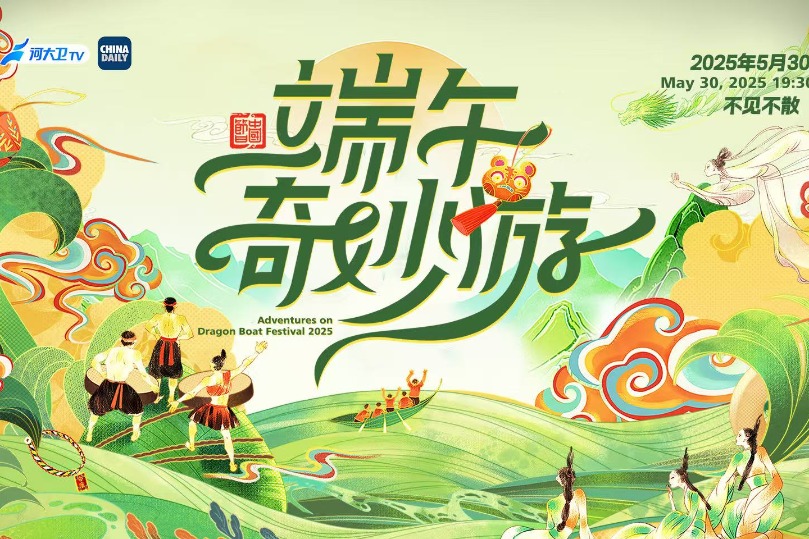
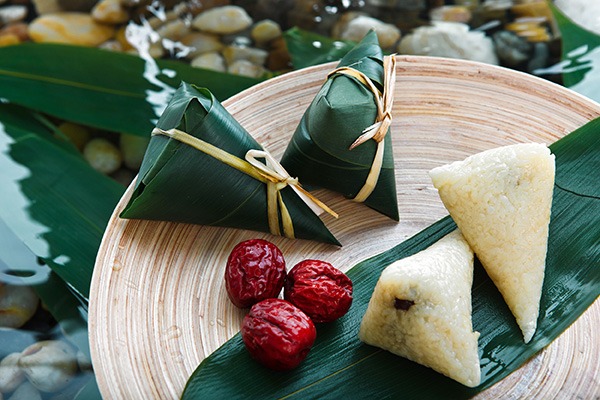
Translation is far from a simple exercise. There are many pitfalls. For example, Anglophone specialists on jingju now rarely use the term Peking Opera, finding it too old-fashioned and even colonial, as it was a term imposed on China in the old days. Again, the term duanwu jie is usually translated as Dragon Boat Festival but according to Xiaolong, it isn't entirely accurate, even though it is widely used outside China.
What I can say is that the translation of technical and other terms in these books is handled with magnificent professionalism and sensitivity. The translation throughout shows an appreciation of what words mean and imply in different languages. It shows the difficulty of translating not only words but cultures, but it also shows how it can be done successfully and accurately.