


Safeguarding the cultural landscape










In the spotlight
Cave temples were spotlighted during the forum held in Dunhuang in August, bringing together several hundred experts and cave temple professionals from 16 countries to discuss issues like the protection, management and studies of cave temples.
According to Song Xinchao, chairman of the Chinese National Committee for the International Council on Monuments and Sites, there are currently 5,986 cave temples and cliff statues in China, occupying 24.5 percent of the immovable stone carving cultural heritage sites across the country.
He says besides famous large-scale cave temples like the UNESCO World Heritage Sites, many medium and small-sized cave temples are lesser-known but pose great challenges to conservation endeavors.
"Among the 5,986 cave temples and cliff statues in China, there are only about 600 belonging to national-level or provincial-level key cultural relics protection units. That means most of them are lower levels in terms of protection efforts and present challenges to our conservation efforts," says Song.
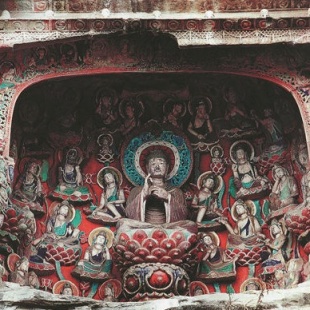
He Xiaodong, director of the cultural relics protection department of the Sichuan Provincial Cultural Heritage Administration, says Sichuan has 2,134 cave temples — the largest number nationwide. Most of them are medium and small-sized since they are often scattered in a wide suburban area at a relatively small scale within each cluster.
As a result, they are vulnerable to theft and human destruction. "In the past, thefts of cultural relics from such temples occurred. Moreover, the folk belief that decorating cave temples was auspicious was popular among the public. Therefore, many people went to color them with pigment or paint in the 1980s and 1990s, leading to the destruction of cultural heritage," says He.
In recent years, the situation improved with projects to crack down on criminal activities on cultural relics and change of people's awareness, but being large in number and lacking grassroots heritage protectors means protection is by no means easy work, says He.
Moreover, rain frequently occurs in Sichuan, leading to a moist climate that accelerates erosion of stone statues and murals. Also, Sichuan's cliff statues are mostly built on sandstone, which has a loose structure that makes them vulnerable, he adds.
Considering they are often located in villages, the idea of combining cave temple protection and management and rural vitalization has formed. Through improving infrastructure and building facilities, the temples can be better preserved, thus helping to promote the local economy.
"We have done a lot of work. Based on protection, like installing protective facilities and building supporting facilities for tourism, it becomes a tourist attraction, driving the local economy for better protection," says He.