


Soaring beyond borders










With the nation's "low-altitude economy" set to emerge as a trillion-yuan business by the end of this decade and become the source of flagship products selling overseas, Hong Kong needs to pull out all stops for a piece of this mega industry. Liu Yifan reports from Hong Kong.
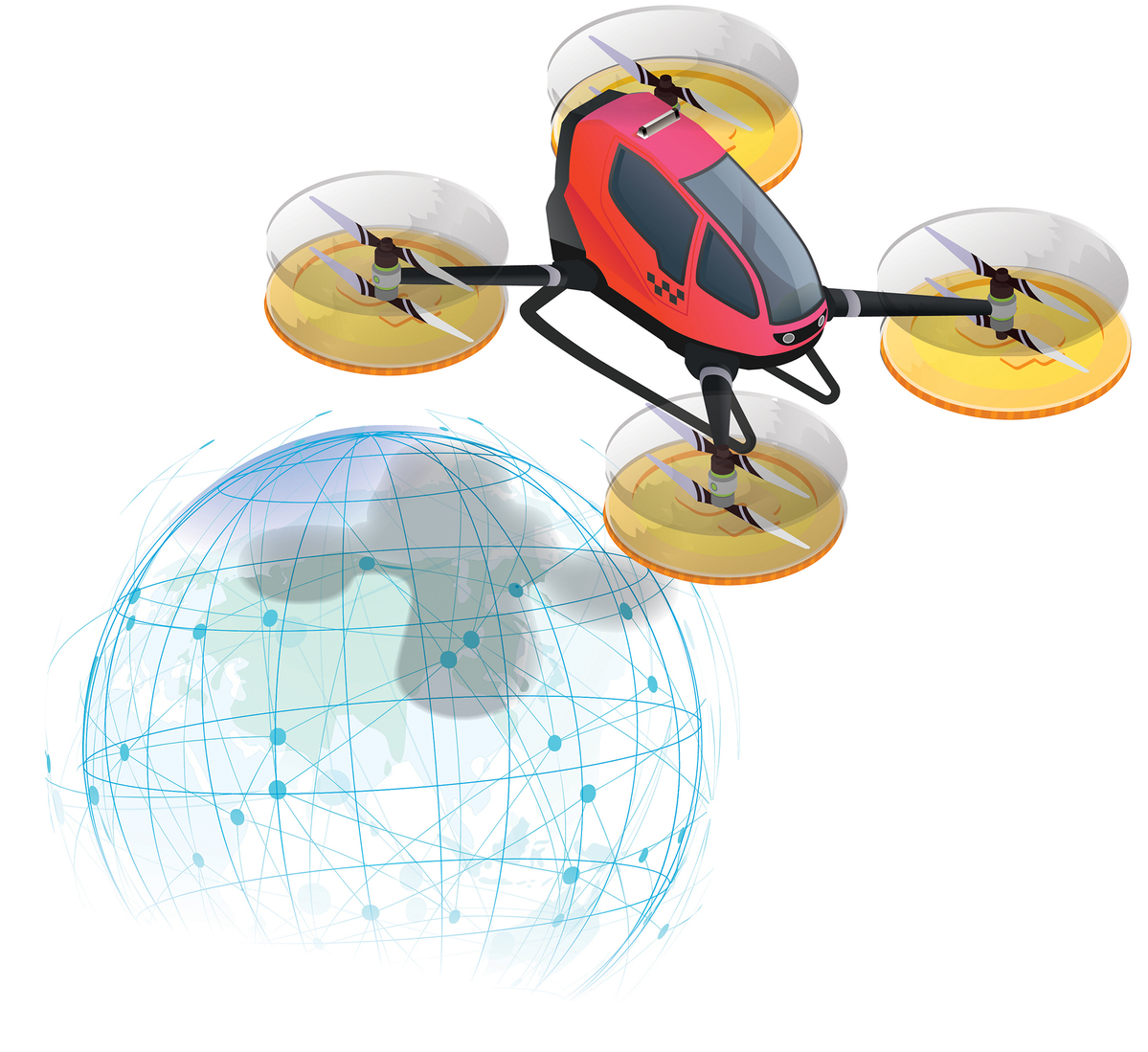
Business opportunities beckon for Hong Kong with the nation's new economic catalyst featuring aerial machines like drones and electric helicopters poised to replicate the smash hit of electric vehicles in the sky.
Hopes for the "low-altitude economy" - the latest buzzword in China's patchy economic landscape - are growing against the backdrop of increasing malaise, a property slump, weak consumption and an aging population.
Analysts and business leaders in Hong Kong are optimistic that the aerial business will be the country's next exports flagship for the advanced manufacturing sector, with a significant role awaiting the special administrative region.
Unlike traditional aviation involving civilian and military flights, the low-altitude economy is characterized by manned and unmanned aerial activities in airspace below 3,000 meters, with labels of renewable energies and intelligent piloting. Its multifaceted industry chain spans drone manufacturing, aviation services, green energy, new materials, and information technology.

Samuel Lam Hon-yuen, CEO of drone show organizer X Social Group, says the low-altitude economy has significant green and environmental characteristics and is becoming an important representative of new quality productive forces - a term that sets old growth models apart from innovative and eco-friendly sectors like electric vehicles.
Henry Hooi Hing Lee, who founded Hong Kong-based green aviation firm Volar Air Mobility, says sound government policy support and incentives are crucial factors both sectors have in common.
The Chinese mainland's EV growth story can be traced back to 2009 when central-level subsidies were provided to selected public institutions in pilot cities to incentivize their EV purchases. In 2012, the authorities unveiled the inaugural EV industry development plan, outlining targets such as EV production, ownership and vehicle mileage. The subsidy initiative has since been extended to cover all new energy car purchases.





