



Brain-computer interface takes baby steps forward









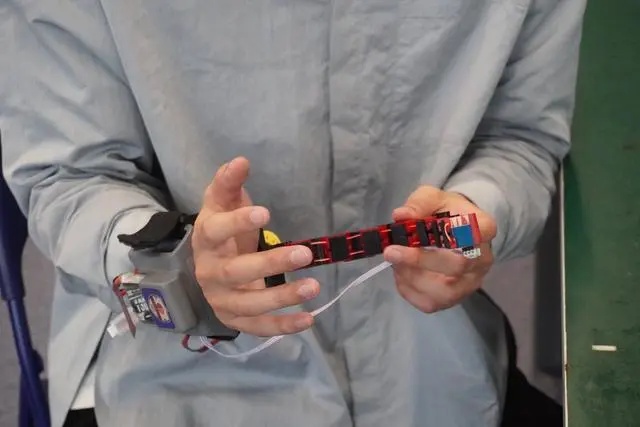
Fudan University in Shanghai has set up a Neuromodulation and Brain-Machine Interface Center on Aug 3, just a day after Elon Musk said that Neuralink had implanted a brain-computer interface into a second patient. The company implanted a device into the brain of a paralyzed patient to allow the latter to use digital devices via the mind in January.
The brain-computer interface involves a series of technologies across various research fields. Medical science is used to detect and interpret the brain's signals, material science to produce wires that won't harm the part of the brain where they are implanted, chip science to minimize the size of the implanted device and the heat it generates, and computing science to decode the brain's signals and code corresponding signals to send back. The new research center is bringing together and tapping the services of hospitals, a big data institute, a national key lab on integrated circuits, as well as institutes on brain science and technologies.
The rich research resources have laid a sound basis for the domestic research team to take steps forward in brain-computer interface technology, which has been developing from the stage of just reading content emanating from human brains to writing desired content to send back to the brain; the latter helps the visually impaired to "see" the world by receiving signals that directly go to their brains.
Now an emerging hot research topic is an interface based on the former two, so that a patient with the brain-computer interface implant can control things by merely thinking about them. This will help people with paralysis to move robotic arms and fingers. Yet this is still one step from the final integration of the human brain and cyber intelligence in which the former can absorb knowledge from digital reserves or even duplicate a mind in the digital space. The brain-computer interface technology is still in its infancy.





