



Fiscal and tax reform to promote modernization









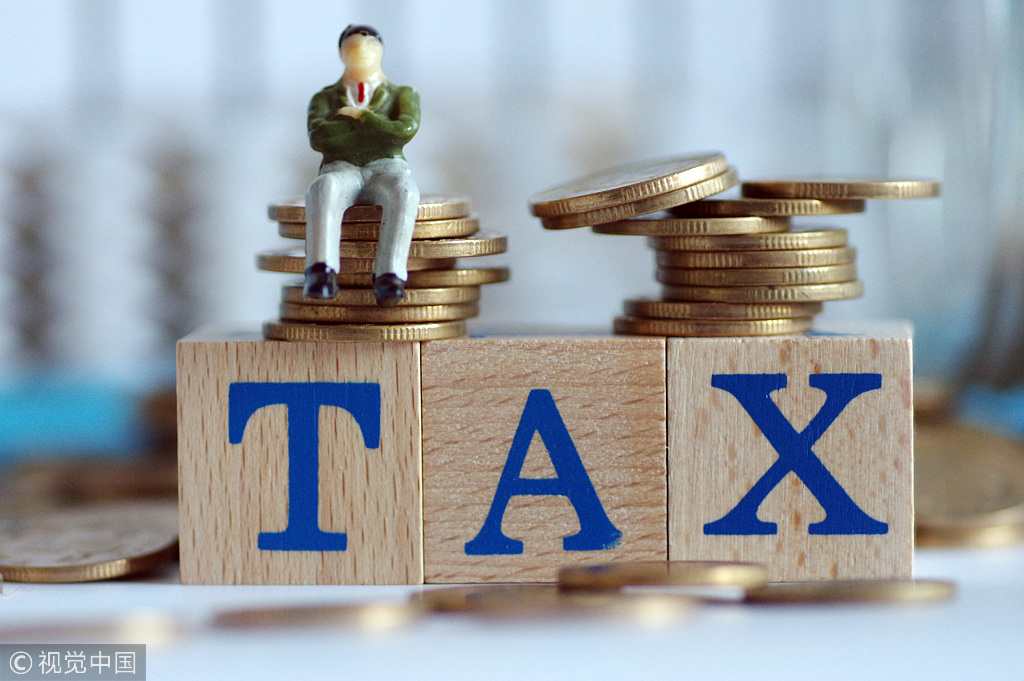
According to the communique and decision of the third plenary session of the 20th Central Committee of the Communist Party of China issued on Thursday, China will deepen the reform of the fiscal and taxation system.
The new round of fiscal and taxation system reform is important for further comprehensively deepening reform and promoting Chinese modernization. In fact, the 2023 Central Economic Work Conference had advocated that to improve the fiscal and tax system, a new round of reform should be implemented.
First, the reform is not a replication of previous reforms nor is it a summary or review of the progress and achievements of the reforms made so far. Rather, it is a new round of reform — a continuation of the previous rounds of reform — to achieve the set goals.
The new round of reform is an attempt at the systematic, holistic and coordinated reconstruction of the fiscal and taxation system. Therefore, efforts should be made to not only adhere to a systematic concept and focus on integrating different systems but also evaluate the overall effect of the reform.
Second, the new round of reform is an important part of comprehensively deepening reform in an effort to modernize the national governance system and governance capacity, and promote Chinese modernization.
Comprehensively deepening of reform as well as the new round of fiscal and taxation system reform are based on the "Decision of the Central Committee of the Communist Party of China on Some Major Issues Concerning Comprehensively Deepening the Reform" which was issued by the third plenary session of the 18th CPC Central Committee in 2013.
In this regard, the new round of fiscal and taxation system reform is not only part of the comprehensive deepening of reform since the third plenum of the 18th CPC Central Committee but also a new chapter in the journey to promote Chinese modernization.
Third, the new round of reform is a continuation of previous rounds of reforms. So there is a need to devise new strategies and adopt new measures to ensure its success in line with the proposal of the 14th Five-Year Plan (2021-25) to establish a modern fiscal, taxation and financial system.
In other words, the breakthroughs and achievements made in the development of the modern fiscal and taxation system since the third plenum of the 18th CPC Central Committee are the starting point for planning and implementing the new round of fiscal and taxation system reform.
As such, the new round of reform has to fulfill the historical mission of optimizing a modern fiscal and taxation system to promote Chinese modernization and high-quality development.
And fourth, it is necessary to recognize that the modern fiscal and taxation system is more suited to modern national governance rather than traditional governance. It embodies a modern fiscal system rather than a traditional fiscal system. It is therefore possible to push forward the fiscal and taxation reform with the help of China's current national governance system, not on the basis of what has been achieved before.
For example, the fiscal and taxation system should be seen in the context of national governance and the Party's development. Also, the fiscal and taxation system reform should be considered from the perspective of a socialist modern country and the modernization of the national governance system and governance capacity.
Besides, fiscal function adjustments should involve economic, political, cultural, social and ecological civilizations to optimize resource allocation, maintain market unity, promote social equity and realize enduring peace and stability.
The fiscal relationship between the central and local governments should be built upon clearly defined powers and responsibilities, with appropriate financial resource allocation and greater balance between regions. And the tax-sharing system should be optimized by improving the local tax system, the central government payment system for transferring funds to local governments, and the local income and expenditure system.
Given these facts, the authorities need to review the fiscal breakthroughs and achievements made since the third plenum of the 18th CPC Central Committee, and implement the new round of fiscal and taxation system reform without being influenced by previous reforms.
The author is an academician of the Chinese Academy of Social Sciences. The views do not necessarily reflect those of China Daily.
If you have a specific expertise, or would like to share your thought about our stories, then send us your writings at opinion@chinadaily.com.cn, and comment@chinadaily.com.cn.





