



CrowdStrike update likely skipped checks









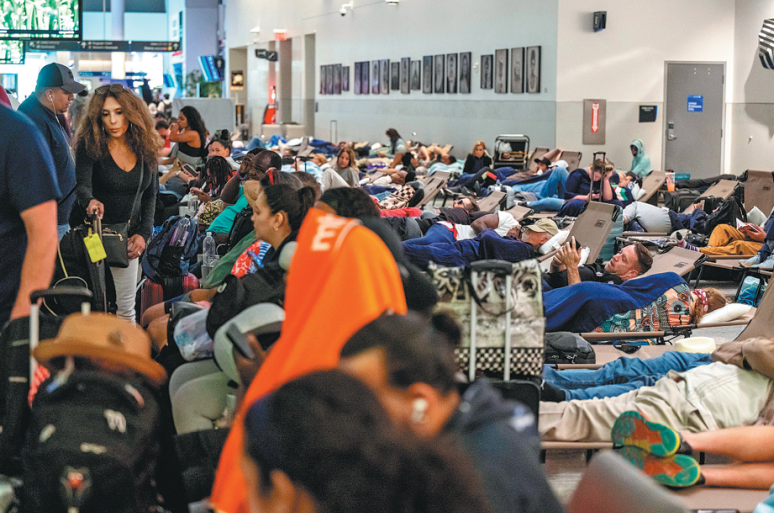
SAN FRANCISCO — CrowdStrike's routine update of its widely used cybersecurity software, which caused clients' computer systems to crash globally on Friday, apparently did not undergo adequate quality checks before it was deployed, security experts say.
The latest version of its Falcon sensor software was meant to make CrowdStrike clients' systems more secure against hacking by updating the threats it defends against. But a faulty code in the update files resulted in one of the most widespread tech outages in recent years for companies using Microsoft's Windows operating system.
Global banks, airlines, hospitals and government offices were disrupted. "We currently estimate that CrowdStrike's update affected 8.5 million Windows devices," Microsoft said in a blog post on Saturday.
CrowdStrike released information to fix affected systems, but experts said getting them back online would take time as it required manually weeding out the flawed code.
"What it looks like is, potentially, the vetting or the sandboxing they do when they look at code, maybe somehow this file was not included in that or slipped through," said Steve Cobb, chief security officer at Security Scorecard in New York, which also had some systems affected by the issue.
Problems came to light quickly after the update was rolled out on Friday and users posted pictures on social media of computers with blue screens displaying error messages.
Patrick Wardle, a security researcher specializing in studying threats against operating systems, said his analysis identified the code responsible for the outage.
The update's problem was "in a file that contains either configuration information or signatures", he said. Such signatures are code that detects specific types of malicious code or malware.
"It's very common that security products update their signatures, like once a day ... because they're continually monitoring for new malware and because they want to make sure that their customers are protected from the latest threats," he said.
The frequency of updates "is probably the reason why (CrowdStrike) didn't test it as much", he said.
It is unclear how that faulty code got into the update and why it was not detected before being released to customers.
"Ideally, this would have been rolled out to a limited pool first," said John Hammond, principal security researcher at Huntress Labs in Maryland. "That is a safer approach to avoid a big mess like this."
Agencies via Xinhua










