Wellness for younger tastes
China's urban youth are exploring unique ways to stay healthy within their fast-paced lives









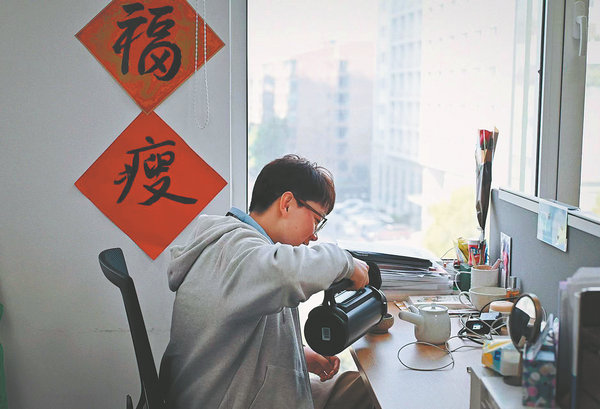
On the yoga mat, in the soothing waters of a spa pool, sipping on a warm drink from a thermos filled with red dates and wolfberries, or enjoying the comforting warmth of an electric foot bath — these are just some of the unique ways the new generation of young people are embracing the pursuit of wellness.
As the pursuit of wellness becomes an essential pastime for many young people, a trend known as "New Chinese-style Wellness" has taken over social media platforms. Wellness, or yangsheng in Mandarin, is no longer a term exclusive to the middle-aged and elderly. Faced with intense competition in education and their careers, those born in the 1990s and 2000s have already embarked on a journey to safeguard their health.
The concept of "New Chinese-style Wellness "emphasizes the idea of dietary therapy, advocating for the consumption of fresh, natural ingredients, balanced meals and exercising moderation in the consumption of oily and spicy foods, essentially maintaining a light and nutritious diet. Additionally, it promotes mental well-being by incorporating traditional Chinese medicine theories to regulate emotions and achieve a balanced development of physical and mental health.
Furthermore, it advocates for light exercise, such as tai chi, to strengthen the body and achieve the goal of wellness and fitness.
Many young people are riding a trend. During a busy work day, they enjoy sipping herbal teas brewed in wellness pots, enhancing their well-being while tapping away at their keyboards.

Twenty-nine-year-old Tang Siyu, employed at an insurance company, is among those who have adopted a routine of carrying a large thermos flask into the office daily.
With a regular bedtime of around 11 pm and an early wake-up time of 6:20 am to walk her dog, Tang ensures she engages in physical exercise four to five times per week.
"Having a balanced and healthy diet has always been important to me. I grew up drinking health tonics following my mother's advice, and now I continue to prioritize my health based on my own preferences," says Tang, who traces her habits back to her college days, when she was greatly influenced by her mother, a nutritionist.
Reflecting on her health-conscious behavior, since the age of 17, Tang has prioritized early sleep, physical activity, and dietary control, avoiding fried foods, high-sodium products, and emphasizing a reduced sugar intake.
Different from her mother's approach to health, which involves seasonal herbal remedies for tonifying the liver in spring and treating winter ailments in summer, like many other young people, Tang enjoys drinking milk tea and indulging in meals with friends. However, she opts for sugar-free milk tea and avoids excessive food intake.
"I'm quite conscious about my diet, considering factors like calorie intake per meal. For instance, if I have a high-calorie lunch, I adjust my dinner accordingly," Tang elaborates.
The data from the Z Generation Nutrition Consumption Trend Report, published in 2022, also shows that young people are becoming the main drivers of health-related consumption. On average, each urban resident spends over 1,000 yuan ($138) annually on health and wellness products. Among them, the 18 to 35 age group accounts for 83.7 percent.
"My daily health regimen mainly consists of taking vitamin supplements, protein powder and Ganoderma spore powder to boost immunity. I regularly consult with a TCM practitioner and undergo related treatments like massage therapy," says Tang, who spends approximately 1,000 to 2,000 yuan on healthcare and wellness every month.
In recent years, a new term has quietly emerged among young people — "punk wellness". Staying up late, applying the most expensive face masks, and using the most expensive eye creams; putting wolfberries in beer, or pairing ice cream with blood sugar-lowering pills. Overall, its subtle popularity reflects the attention and concerns that young people have about their own health conditions, albeit with a somewhat exaggerated sense of rectification.
However, there is no denying that the trend of "punk wellness" has swept in like a cool fashion label, igniting a wave of unique wellness habits among young people. For example, buying large quantities of health products to blend in with the crowd, sharing knowledge and experience with peers, and strengthening a sense of belonging and identity.
According to data from Meituan Waimai, a major Chinese food delivery platform, since September 2022, the weekly search volume for "healthy milk tea" nationwide has doubled. Consumers aged between 20 and 30 account for over half of the searches, with young people in Shanghai leading the trend, ranking first in the country for using the search term.