



Ban on Japanese aquatic products is necessary food safety measure









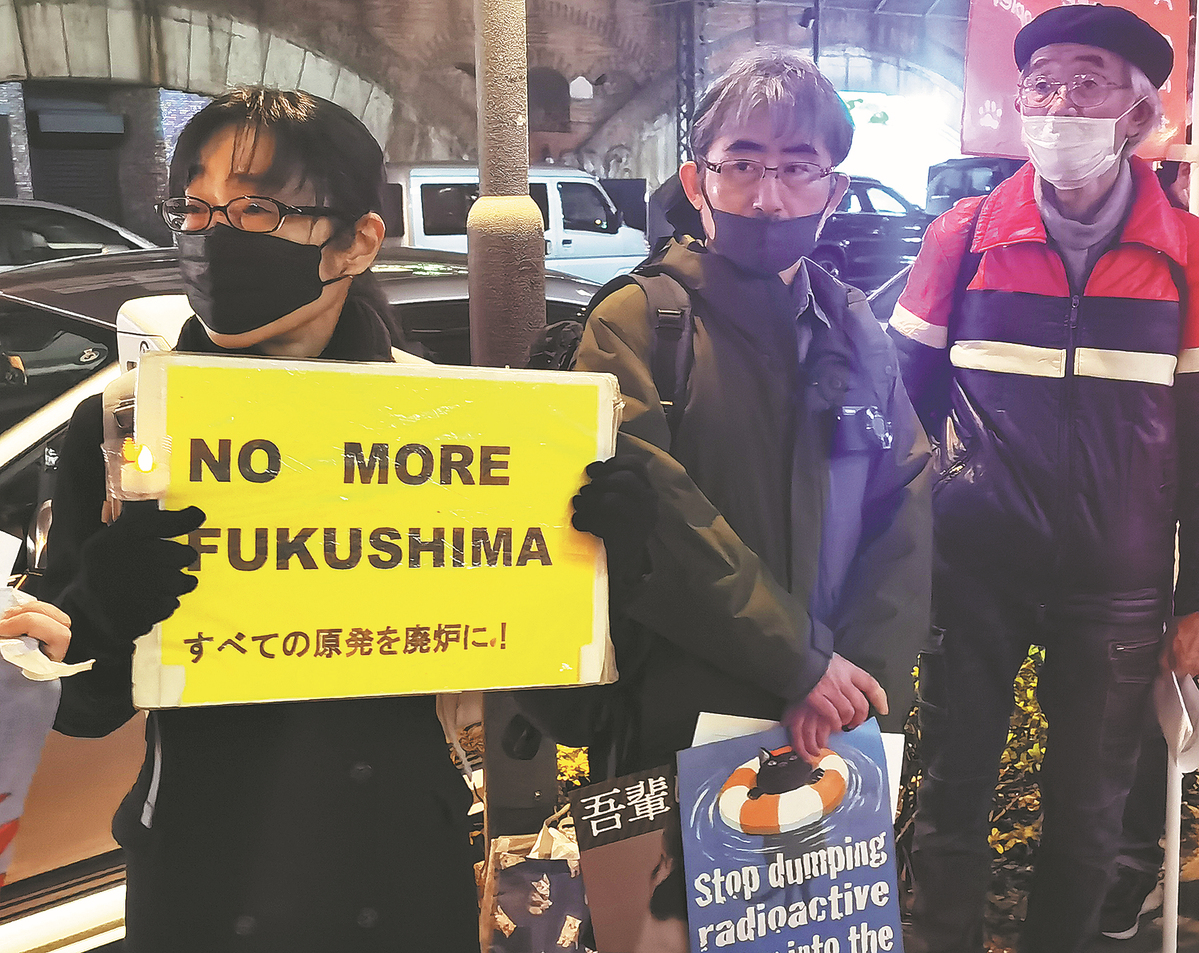
In an interview with the media, Japanese Prime Minister Fumio Kishida recently said that he does not agree with China's ban on the import of Japanese aquatic products and that his government urges the Chinese side to immediately revoke the control measures.
In response, Chinese Foreign Ministry spokesman Wang Wenbin said that the release of the nuclear-contaminated water from the Fukushima Daiichi nuclear power plant damages the health of all mankind, the global marine environment and the international public interest. It is therefore justified, reasonable and necessary that countries, including China, take corresponding preventive measures to safeguard their food safety and people's health.
The discharge of nuclear-contaminated water into the sea and a series of safety incidents at the crippled nuclear power plant highlight the internal management chaos at the Tokyo Electric Power Company, the plant's operator, and weak supervision by the Japanese government, Wang said. This also intensifies the concerns of the international community and shows once again that Japan's claim that discharged water is safe and reliable cannot be taken at face value.
Despite opposition from neighboring countries and regions, the Japanese government and the Tokyo Electric Power Company arbitrarily discharged stored nuclear-contaminated water into the Pacific Ocean in August 2023, severely polluting water resources and aquatic life in the surrounding waters. Then, China's General Administration of Customs announced a ban on imports of Japanese aquatic products. The move aims to protect the life and health of Chinese people and the ecological environment from radioactive pollution.
China is an important export destination for Japanese seafood, and the ban has had a profound impact on the Japanese seafood industry. After the ban was announced, the export value of Japanese aquatic products to China dropped significantly, seriously affecting the interests of relevant industries in Japan. Despite the Japanese government's compensation for them, a telling sign of its sense of guilt with the discharge of the nuclear-contaminated water, the affected industries still feel unhappy with the government.
At a time when the Japanese economy is in recession, the Kishida government urgently needs to boost the economy and exports. But China is not obliged to resolve that by taking food safety issues lightly at the cost of the health of its own people.
Japan has not only damaged China's interests by discharging nuclear-contaminated water, but also politically follows the United States in its China-containment strategy, holding back the normal development of Sino-Japanese economic and trade ties. What Tokyo should do now is to squarely face up to the concerns of the international community and stop doing things that harm the interests of China and other countries.





