



Japan has to pay price for discharge move: China Daily editorial









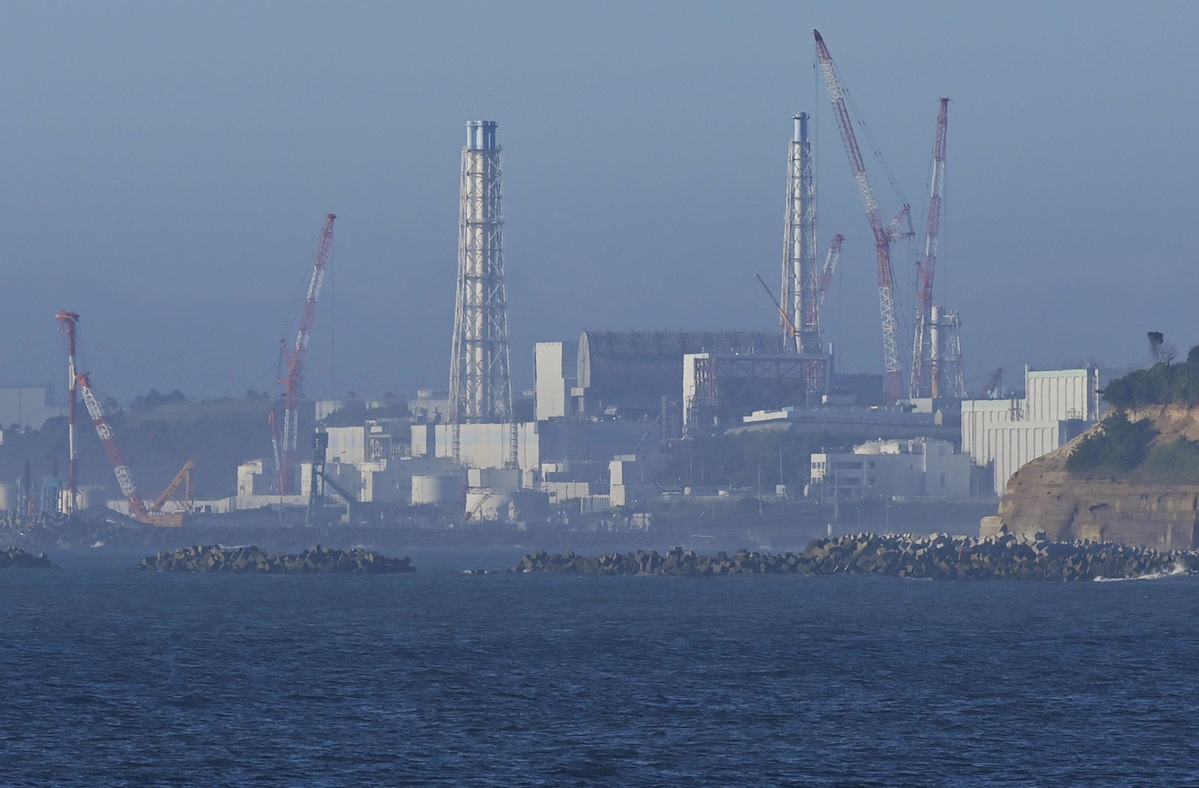
One hour after Japan officially started discharging the Fukushima nuclear-contaminated water into the ocean on Thursday, the General Administration of Customs of China announced the country will suspend the imports of all aquatic products, including edible aquatic animals, originating from Japan.
Considering that Hong Kong had already suspended imports of aquatic products from Japan, the island nation now faces the loss of its top two aquatic food export destinations, which had a combined value of over 160 billion yen ($1.1 billion) in 2022.
To justify the discharge of radioactive water from the incapacitated Fukushima Daiichi nuclear plant into the ocean, the Japanese government euphemistically refers to it as "treated water". With the discharge given the nod by the International Atomic Energy Agency, which said in July that the Japanese government's plan met the agency's safety standards, the release of the water from the plant, which is expected to take more than 30 years to complete, has now begun.
Given the lack of transparency from the Japanese government in the decision-making process and in the run-up to the discharging of the water, is there any reason to think it is likely to be any more forthcoming now that it is releasing the water into the ocean? If the radioactive water is really as safe as the Japanese government and Tokyo Electric Power Company claim, why don't they put the water into use for rural irrigation? No wonder some scientists have raised questions about whether the Japanese government and TEPCO have been sufficiently forthcoming about what radioactive materials may remain in the water even after it is treated.
Not surprisingly, opponents of the ocean discharge plan in Japan and in neighboring countries have urged Japan to choose a safer disposal method.
The long-term effects on the marine ecosystem and the potential for bioaccumulation in the food chain are unknown. And when released into the ocean, the "treated water" could cause ocean acidification, which has been described as "climate change's equally evil twin". Beyond losses to the ecosystem and biodiversity, acidification will affect fisheries and aquaculture, threatening the food security for millions of people.
Japan's release of the water may be a long-lasting disaster for the world, in which case it will be a crime against nature and humanity. The water will spread to every corner of the world, which means other countries and regions face a threat. Hence it's highly possible for more to follow the steps and issue bans on Japanese aquatic food. The government that puts the whole of humanity's health at risk should be taught a lesson by the whole world. That's the price Japan has to pay for its irresponsible move, a price much higher than its politicians anticipated.





