



Taxes for family policy will hit Japanese economy even harder









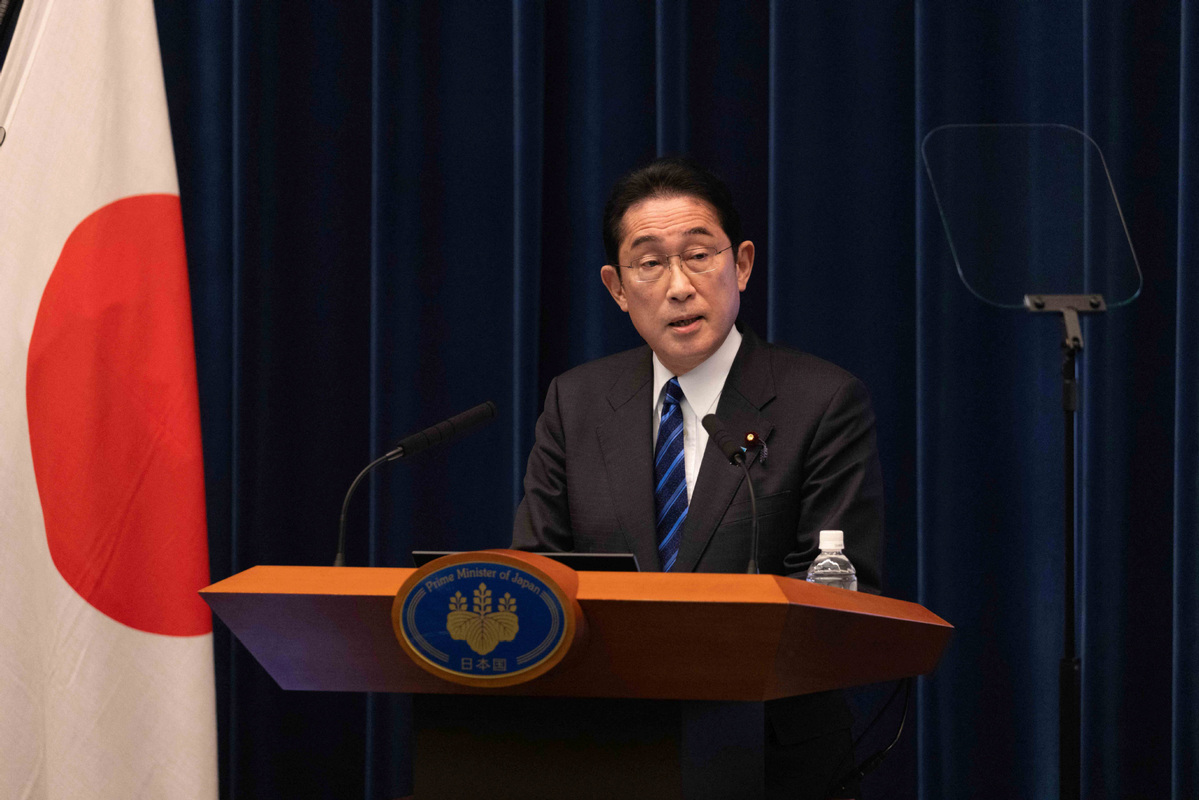
Ever since Japan's Fumio Kishida government announced it will significantly increase the defense budget and introduce a new policy to encourage couples to have more children, there has been speculation the government will increase taxes or make welfare cuts.
With prices continuously rising and wages having fallen for 14 consecutive months, this will only increase the difficulties for the Kishida government. A recent Mainichi Shimbun poll showed public support for the Kishida government is down to a dangerous 28 percent, and if it falls below 20 percent, it will be at risk of stepping down from power.
At the end of June, a report submitted to the Kishida cabinet by a government advisory body recommended that the government reduce various tax exemptions for wage earners, involving tax deductions for retirement pay, dependent care and transportation subsidies, stirring public opposition. It is estimated that a father who needs to support a family of four and has an annual income of 6 million yen ($42,024) may end up losing 470,000 yen (equivalent to his monthly salary) annually to such a policy.
Kishida has repeatedly said that he does not intend to raise taxes for the working class, but experts point out that for the cash-thirsty Japanese government, tax increases and welfare cuts will be unavoidable in the future.
At the end of last year, the Kishida government determined that Japan's defense budget for the fiscal year 2023 will increase from 5.4 trillion yen to 6.8 trillion yen, and the total defense budget for the fiscal years from 2023 to 2027 will increase to about 43 trillion yen.
In February, the Kishida government introduced a bill to ensure the source of defense funding and quickly promoted its review by the parliament. Despite strong objection from opposition parties, the bill was passed because of the ruling party's majority in both houses of the National Diet.
Given the strong opposition to tax increases for defense funding, the Kishida government has repeatedly stated that the policy of encouraging families to have more children does not depend on tax increases, but on raising the social security burden of individuals and enterprises, reducing social security expenditure, and issuing more special government bonds. According to Asahi Shimbun, if the government raises funds by cutting social security spending, it will damage the rights and interests of the elderly.





