



Beijing offers source of hope for Nepal's growth









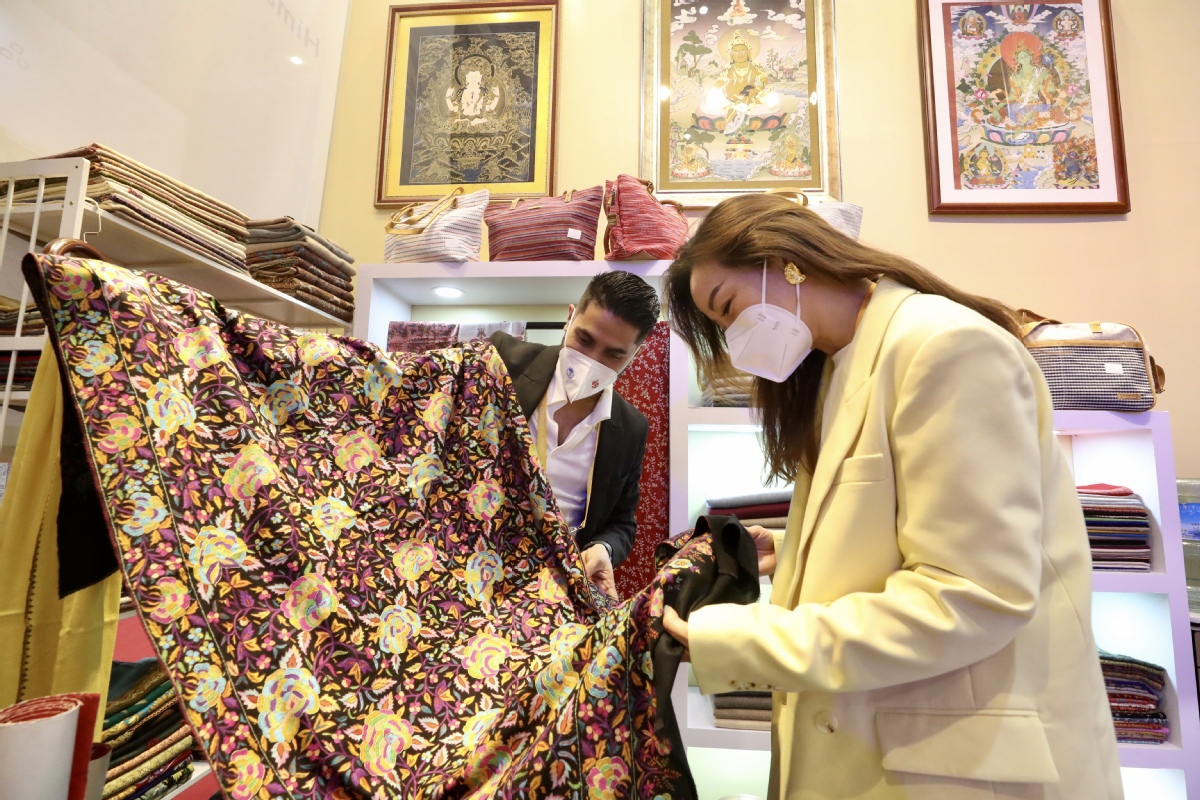
Nepal and China, as neighbors, have for years been engaging in cordial cooperation and enjoying trouble-free friendship.
Ever since becoming the world's second-largest economy, China has been supporting Nepal to boost its socioeconomic development with no political conditions attached. In this regard, the China-proposed Belt and Road Initiative and the Global Development Initiative have become a source of hope for Nepal. The country now believes that with China's help, it can transform itself from a land-locked Himalayan country to a "land-linked" economy between two giant economies, China and India.
Since the time when Beijing pledged to help Nepal achieve its development goals, Nepalese officials have realized that China's initiatives are best suited to improving connectivity, boosting trade and meeting the UN Sustainable Development Goals. China's initiatives have also paved the way for collaboration in non-traditional security areas such as climate action.
China proposed the GDI to help meet the special needs of least-developed countries such as Nepal. But even before proposing the initiative, China had been providing material and medical assistance for Nepal. For instance, China supplied much-needed medicines, including COVID-19 vaccines, and medical equipment for Nepal during the COVID-19 pandemic, helping save many lives. No wonder Nepal has already become a part of the GDI. In fact, the "Nepal Smiling Children" project and the "Support to Schools and Communities in Remote Areas for Pandemic Prevention and Green Recovery" project are already progressing under the framework of the GDI.
Through the Nepal Smiling Children project, the China Foundation for Rural Development provides food for 3,600 children from poor communities in Kathmandu whereas the second project, as its name suggests, helps schools and communities in remote areas combat diseases and epidemics, and promotes eco-friendly economic recovery. The collaboration between the China Foundation for Rural Development Nepal Office and the Nepal Country Office of the UN Development Programme speaks volumes about the multilateral nature of the GDI.
As an all-weather friend, China's continuous support is helping Nepal boost development in multiple fields, including infrastructure, healthcare and people's livelihoods. The measures taken for upgrading and restoration of projects such as the Civil Service Hospital in Kathmandu and B.P. Koirala Memorial Cancer Hospital in Chitwan have greatly improved healthcare services in Nepal.
China is Nepal's second-largest trading partner and the largest source of foreign direct investment. And Nepal expects the bilateral trade and investment relationship to further strengthen in the coming years.
In keeping with its GDI promise, China has exempted more than 8,000 Nepali goods from tariff, which will benefit Nepalese businesses and balance, to some extent, bilateral trade.
The Belt and Road Initiative, too, has raised hopes in Nepal, as it can play a critical role in expanding cooperation in different fields, including infrastructure connectivity, trade and investment, and tourism. The famous tourist site of Pokhara in Nepal saw an example of bilateral public diplomacy under the Belt and Road framework in the shape of the "Nepal-China Friendship Dragon Boat Race" on the occasion of Dragon Boat Festival last month.
The event also saw the commencement of civil aviation services at the Chinese-made Pokhara International Airport. While reviving tourism in the post-pandemic period, the airport will also improve connectivity in the region as well as boost trade, because it can operate flights to and from regional economic and trade hubs such as Xi'an, Lhasa, Chengdu, Hong Kong, Bangkok, Singapore and New Delhi.
Given China's impressive record of eradicating absolute poverty, the Belt and Road Initiative and the Global Development Initiative are expected to also help the Nepalese government to alleviate poverty in the country and meet the Sustainable Development Goals by 2030.
As both the initiatives promote green development, Nepal must use them to deepen climate cooperation with China. Nepal is one of the worst climate change-affected countries in the world and suffers from funding gaps to mitigate the impacts of climate change. So cooperation with China in this field can help it promote green development and adapt to and mitigate the effects of climate.
True development is when countries develop together. So Nepal and China should better use the Belt and Road Initiative and the Global Development Initiative to develop together and build a community with a shared future for mankind.
The author is a journalist based in Nepal.
The views don't necessarily reflect those of China Daily.





