


Dance drama shows how 1,000 years is but a short leap









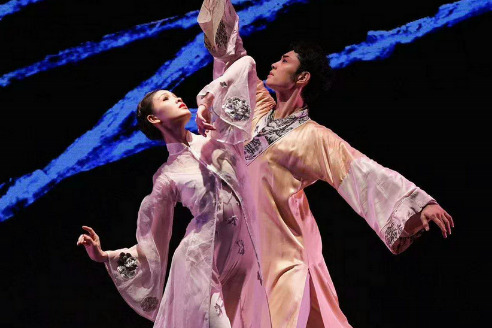
As a deep, booming drum created a slow tempo that might have been Earth's pulse over a millennium, a vivid story without words, the poetic tale of an iconic, 1,000-year-old painting unfolded onstage recently at the National Centre for the Performing Arts in Beijing.
No doubt many of those in attendance were watching the first live entertainment they'd witnessed in the eternity since the COVID-19 outbreak began. But time, we were to be reminded, is relative.

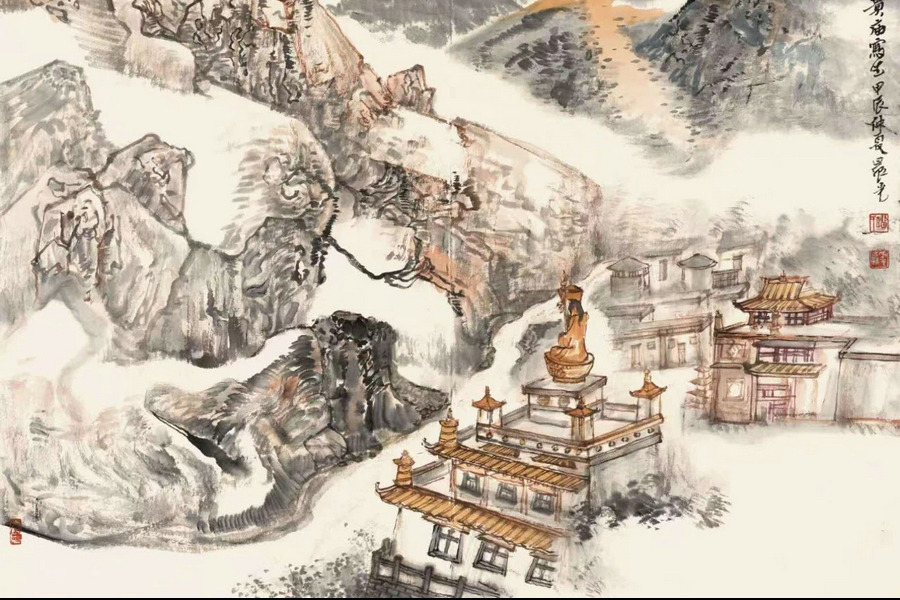
In a leapfrogging of the space-time continuum, the stage production The Journey of a Legendary Landscape Painting traced, from conception to public display, the meticulous process by which A Panorama of Mountains and Rivers, the time-honored (and only known) painting by teenage artist Wang Ximeng of the Song Dynasty (960-1279), was given to the ages.
From the riveting music to the spectacular choreography, the show offered a bridge between ancient and contemporary culture. It showcased how we can understand one another, even over vast expanses of time, via modes of expression including painting, poetry and dance.
Along with probably everyone in China, I was introduced to this remarkable dance troupe last year during CCTV's Spring Festival Gala.
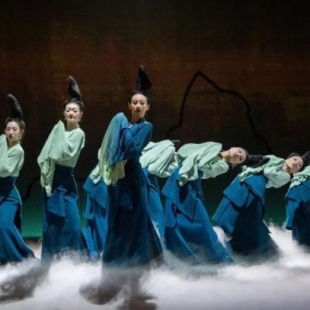
The sight was unforgettable — elegant dancers with whirling silk sleeves and exotic, towering hairdos swaying, gliding and gracefully contorting themselves to the splendid accompaniment of traditional musical instruments. The dancers' costumes were the same shades of striking azurite blue and malachite green as the mountains depicted in the stage backdrop — A Panorama of Mountains and Rivers.
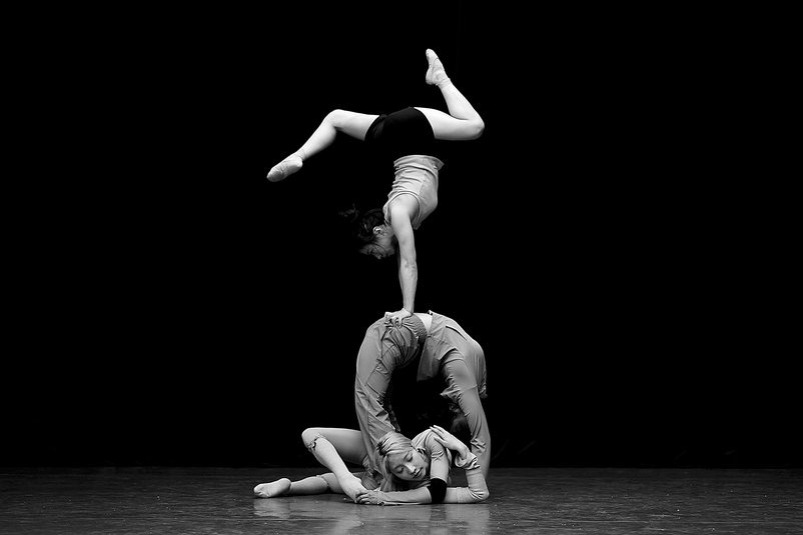
A peculiar feature of this CCTV gala dance segment immediately went viral: The lead dancer bent impossibly backward at one point until her back was parallel to the ground, and so she remained as if in a most comfortable position (it couldn't have been).
Her remarkable feat was reprised several times during the recent National Theater performance, bringing enthusiastic applause each time, but we also got to see the full range of the lithe dancer's talent. Her role, after all, is key to the show: She embodies the mountains, with her flowing dress using the same electrifying colors as the painter long ago. She shuffles like a ghost through many scenes, sometimes stepping in time with the slow, pulsating drum, portraying the mountain muse who inspires the 11-meter-long scroll painting.
The dance drama is a masterstroke inspired by a masterpiece. As with good poetry, economy is everything and much is implied. In an early, martial arts-inspired segment of the drama, some dance moves are reminiscent of the Chen-style tai chi movement known as "pounding the mortar".This foreshadows a stage-corner scene before intermission when the dancer portraying a modern day researcher peers through time and watches as a mortar and pestle are employed to pulverize the minerals used to give the painting its distinctive, everlasting blue and green.
Color, however, is a gradual progression in the tantalizing performance. The first acts are bright but generally colorless, which parallels the process of painting: The roughed-out sketch comes first, with the chosen hues added later.
After intermission, color appears in flashes like heat lightning, first in the brilliant crimson costumes of a dozen dancers dressed like imperial officials, and then in the full splendor of the key scene — the blue- and-green "mountain" dancers (who contrast sharply with the dancers clad in brown who cluster together in an earlier scene to form less majestic peaks).
Eventually, the show's many dancers move into the background and become motionless, forming the painting's weather-worn landscape, and the painter, so brilliant in white, vanishes from the spotlight and himself becomes part of the picture.
The focus eventually shifts to the stage apron, where actors depicting people from all walks of modern life shuffle in to view the scroll, which is displayed beneath museum glass. Then they depart, each taking away something different.
There was something else special about this National Theater presentation: The very painting that inspired the breathtaking drama is available for public viewing in the Palace Museum in Beijing, just a short walk from where we all sat, spellbound.