



SVB collapse just one of many, as challenges abound for US









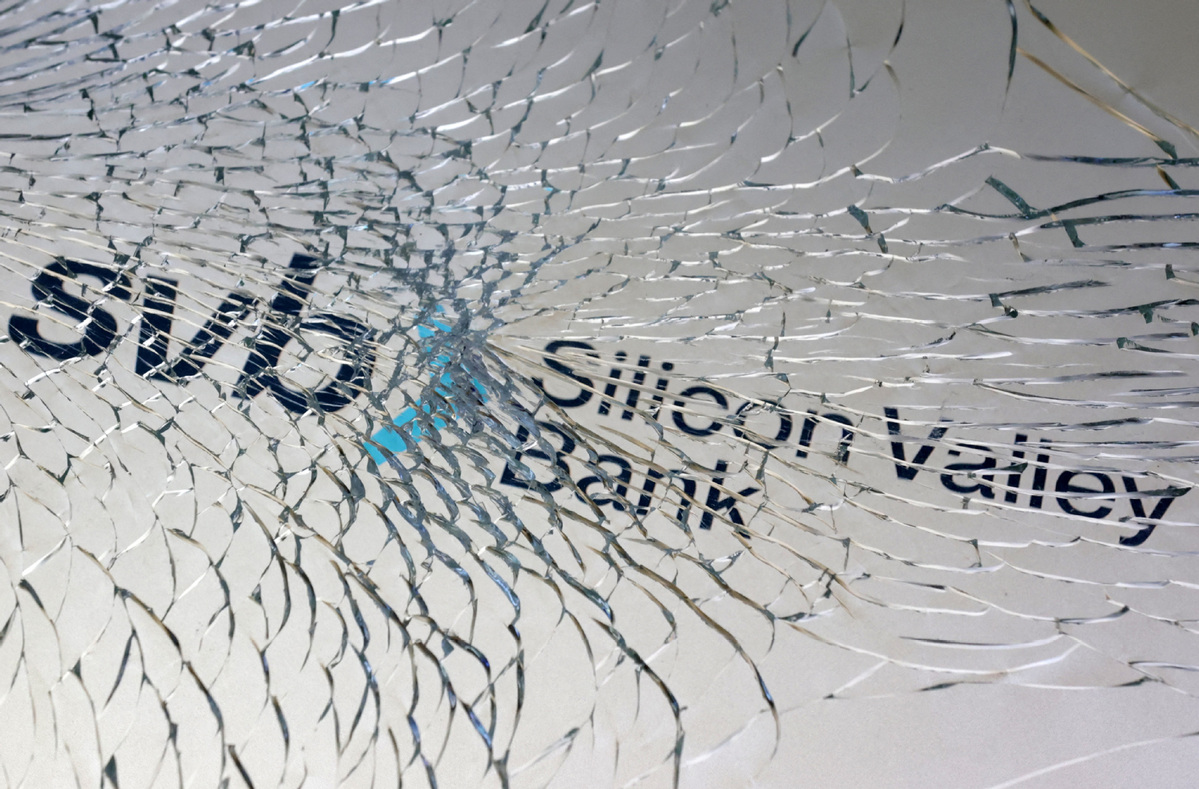
The financial turmoil triggered by the Silicon Valley Bank's collapse is putting the US Federal Reserve in a dilemma and posing a huge systematic challenge for the US economy.
Since the subprime mortgage crisis in 2007, the United States has been relying on quantitative easing to maintain economic growth, acclimatizing the market to a low interest rate environment.
However, the pandemic has motivated the Fed to launch a larger scale of quantitative easing, causing more money to flow into less-regulated asset management, private equity and hedge funds, thus creating asset bubbles and spurring the blind expansion of technology and traditional companies. In the face of "unexpected inflation", the Fed had to aggressively raise interest rates.
However, the Fed is trying to strike a balance between reducing inflation, promoting growth, ensuring employment and maintaining financial stability, a near-impossible task. Taming inflation means the Fed can no longer provide unlimited cheap liquidity support, but this would make the financial market buoyed by cheap liquidity more vulnerable.
The SVB's failure means the loose monetary policy cycle of the US in the past decade has come to an end, given that the policy supposed to curb inflation not only hinders growth, but also adds to the instability of the financial system.
Despite a long-time loose monetary policy, the US has maintained a low level of inflation for more than two decades because of the globalization it promoted. However, in the past few years, the US has been pushing for de-globalization. The sanctions imposed on Russian energy after the Ukraine crisis has pushed global energy prices higher. The US is also pushing for decoupling from China and restructuring the global industry chain, undermining the foundation of US enterprises and adding uncertainties to prices.
Globalization has cemented the US dollar's international position, but its energy self-sufficiency and supply chain adjustment will weaken the dollar's position in energy and trade. The use of the dollar as a weapon to attack other countries after the Russia-Ukraine conflict has also increased international concerns and prompted some countries to bypass the "dollar trap". The ballooning US government debt and its unstable financial system will continue to weaken international confidence in the dollar-dominated system.
The fragile financial system and an unstable international environment the US has created are smashing market confidence in the US' economic prospects.
21ST CENTURY BUSINESS HERALD





