Nation to continue monitoring viral mutations of COVID-19









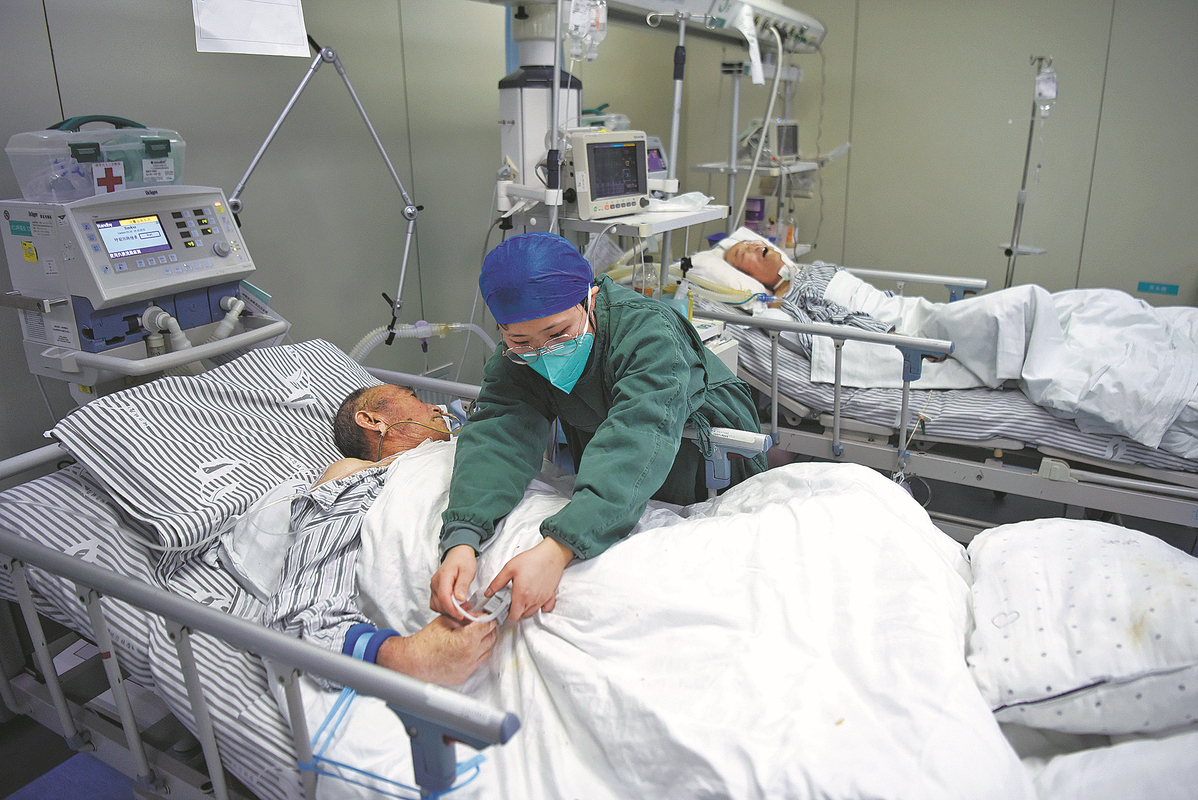
Scientists and medics will keep track of disease after management downgraded
China will continue to monitor the mutation, transmissibility and virulence of the COVID-19 virus to optimize future epidemic prevention and control measures, according to a document released by the National Health Commission.
According to the document, China is set to downgrade its management of COVID-19 from Class A to Class B on Sunday, a major change to the nation's epidemic control strategy made possible by the reduced virulence of the Omicron variant, wide vaccination coverage and better treatment methods and resources.
Tracking of close contacts and classification of at-risk areas will be canceled after the adjustments. Quarantine and nucleic acid tests will also be scrapped for inbound travelers.
However, Chinese scientists and health workers will still keep track of the virus' mutation, monitor and manage regional outbreaks, and minimize the impact of outbreaks on socioeconomic development.
Experts said these measures are needed since they can provide firsthand data on the situation for researchers and keep the public informed to avoid unnecessary panic.
X-ray images of the whited-out lungs of recently infected patients have been circulating on Chinese social media lately, prompting speculation that more severe but less transmissible variants of COVID-19, such as the original and Delta strains, are spreading in the country.
Xu Wenbo, head of the National Institute for Viral Disease Control and Prevention with the Chinese Center for Disease Control and Prevention, said real-time epidemiological data show no trace of the Delta strain in the country, nor of a recombinant of the Delta and Omicron strains.
Since early December, nine Omicron variants have been circulating in China and they were responsible for the vast majority of new cases, he told China Central Television.
Xu said that the BA.5.2 and BF.7 strains are the dominant variants in China, accounting for over 80 percent of cases. However, 31 Omicron strains are present on the mainland, including the BQ.1 and XBB variants that are driving up cases in other countries.
Yang Xiaobing, director of the department of infectious disease prevention of the Wuhan Center for Disease Control and Prevention, said the dominant strain in the city is the BA.5.2 Omicron variant, and there is no evidence that the original COVID-19 strain has returned.
Although the Omicron variants primarily target the upper respiratory tract and cause relatively less severe symptoms compared to previous strains, they can still cause pneumonia, Yang said.
If someone experiences coughing, fever, chest tightness and other symptoms that do not ameliorate over time, they should seek immediate medical attention to avoid becoming severely ill, he added.
Jiao Yahui, director of the National Health Commission's bureau of medical administration, said in a recent news briefing that scans with whited-out lungs are a sign of severe pneumonia that could result in breathing difficulties and low blood oxygen levels.
But the recent cases are not caused by the spread of the original COVID-19 viral strain or from vaccinations, she said.
Wang Guiqiang, director of the Department of Infectious Diseases at Peking University First Hospital, said that for most people who are not immune compromised, the chance of reinfection by the same strain of virus is extremely low.
He added that even if such reinfection were to occur, symptoms would most likely be mild.
But if a new strain of the virus with greater ability to evade immunity were to emerge, then there is a chance of reinfection, Wang said.
"Therefore, people should still protect themselves after this wave is over," he said.
Tong Yigang, dean of the College of Life Science and Technology at Beijing University of Chemical Technology, said severely ill people are the focus of epidemiological surveys, and if their symptoms are caused by previous strains of COVID-19, scientists would know right away.
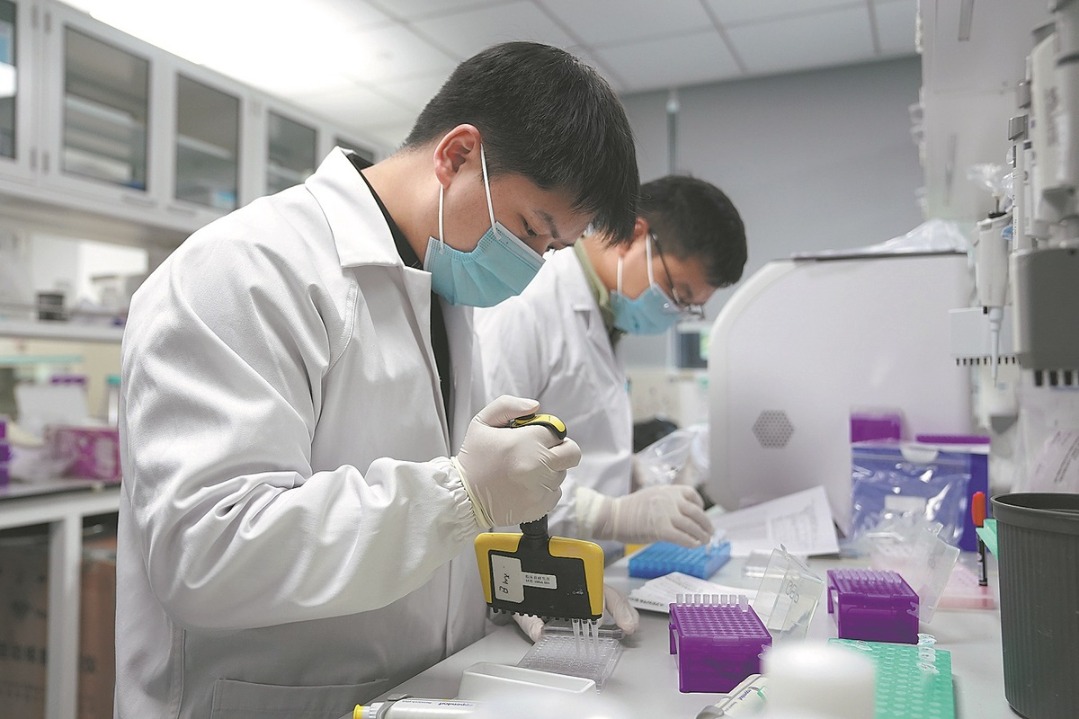
Every province has designated hospitals that test samples from patients and upload the virus' genetic data to the Chinese CDC every week.
"We have not seen a reemergence of Delta or the original strains," Tong said. If Omicron and Delta strains emerge at the same place, Omicron will eventually out-compete Delta due to it being far more transmissible.
According to the COVID-19 viral variant tracker of the World Health Organization, the Omicron strains have largely replaced other variants and become the dominant variants circulating globally, accounting for over 98 percent of viral sequences shared after February 2022.
zhangzhihao@chinadaily.com.cn



- China ready to actively consider granting unilateral visa waiver to British people: Xi
- Xi sees win-win results as essence of China-Britain economic, trade cooperation
- Xi says China will never pose threat to other countries no matter how it grows
- China, Britain agree to develop long-term, stable comprehensive strategic partnership
- Chen Xuyuan, Li Tie banned for life from football
- 11 members of Myanmar criminal syndicate executed