COP15 president: Post-2020 biodiversity framework taking shape










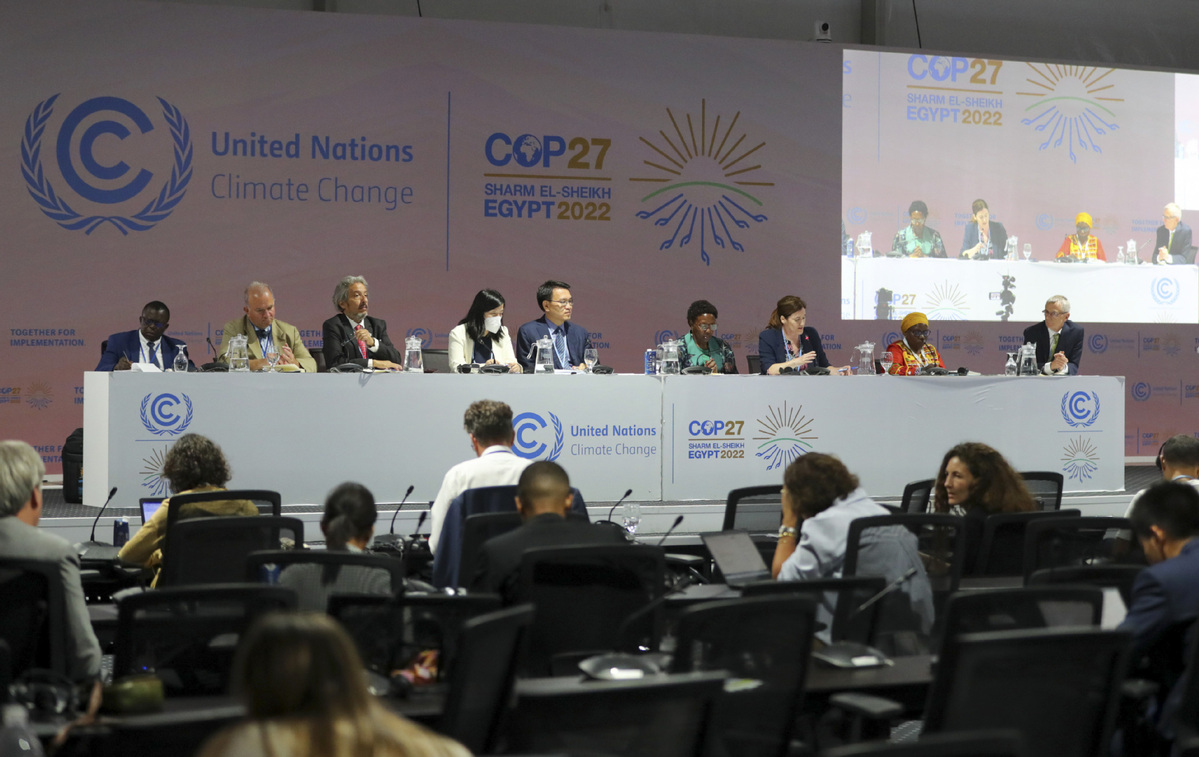
Q4: The second phase of COP15, to be held in Montreal of Canada, will define and adopt the post-2020 Global Biodiversity Framework. Could you describe the consultation process, the results so far and the positive role that China has played during its presidency?
A4: The main task of COP15's second phase is to draw upon past experiences in the development and implementation of previous global targets on biodiversity to formulate the post-2020 GBF. The aim is to put global biodiversity on a path to recovery by 2030, that is, to end the current situation of biodiversity loss.
It can be said that the framework is a guiding political document for global biodiversity governance. There are also high hopes for the framework's adoption during the second phase of the meeting.
At present, positive progress has been made in the framework's formation after negotiations and consultations during four rounds of working-group meetings. All parties have been seeking common ground while reserving differences and working in the same direction. There were sufficient exchanges and understandings about the issues and very comprehensive communication on the existing differences and suggestions.
Currently, the structure and core content of the post-2020 GBF has been agreed upon, laying a solid foundation for finalizing a solution that is acceptable to all relevant parties.
The CBD has 196 contracting parties and involves many international organizations and stakeholders. The consultations on, and negotiations of, the framework document involve all parties. So it is natural that the process is not all smooth and easy.
There are still different requirements, even big differences, on some specific issues. For instance, the Convention has three main objectives: the conservation of biological diversity, the sustainable use of its components and the access to genetic resources and the fair and equitable sharing of the benefits arising from their utilization. We need to make more efforts to ensure the three objectives can be implemented in a comprehensive and balanced manner within the framework instead of overemphasizing one of them. And we have to work harder to narrow differences.
There is also much work to be done to ensure the targets set by the framework are realistic yet ambitious, and practical and balanced and that they can help promote the sustainable recovery of biodiversity.
In addition, the framework's realization ultimately depends on its implementation mechanism. For developing countries, the biggest concern is the mobilization of funds. Funding is obviously very important for the framework's application. It's an important and difficult part of the negotiations.