



Smaller cities also drive national urbanization









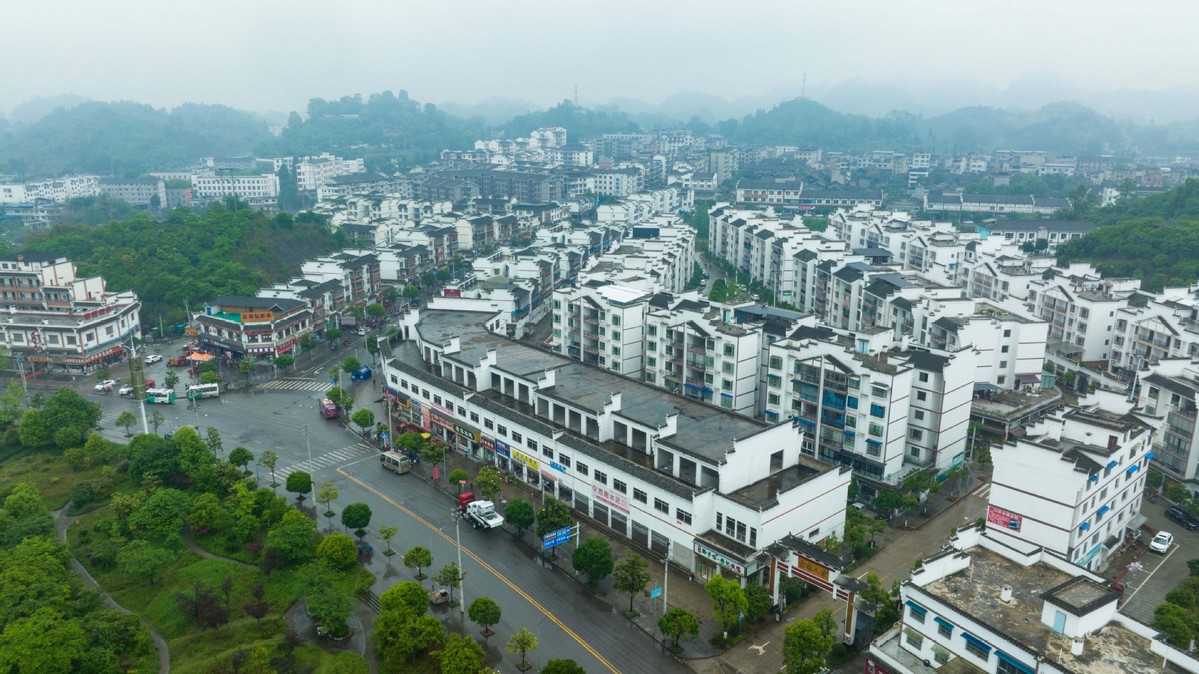
A fresh demographic census report published by the State Council confirms that there are 105 big cities across the country.
Metropolises such as Beijing and Shanghai being on the list should not surprise anyone, but four county-level cities — namely Kunshan in Jiangsu province, Yiwu and Cixi in Zhejiang province and Jinjiang in Fujian province — made a splash by making it to the list. The four cities, each having a permanent residential population of more than 1 million and less than 3 million, are glorious examples of China's urbanization strategy, which focuses on small — and medium-sized cities.
The process of urbanization has created many problems for China, among them overcrowding in the metropolises, as too many people throng the big cities to make a living. It has resulted in many people spending long hours on the roads, leaving very little space per person, and putting too high a burden on public services.
That's why the national policy is laying stress on small- and medium-sized cities accepting more population flows from rural areas, so as to both ease the burden on metropolises and balance national development. The above four cities have done this job well. Particularly Kunshan, known for its advanced manufacturing industry, which has attracted large numbers of laborers. In 2021, its GDP reached 47.5 billion yuan ($6.6 billion), beating all county-level cities in China and setting an example of economic prosperity together with population inflow.
Other cities, such as Yiwu with its small commodities, Cixi featuring automobile parts and Jinjiang featuring textile and shoe-making industries, have also set good examples. Dozens of other cities with slightly lower populations and labor-intensive industries have also helped take China's urbanization process forward.
It is important that more cities adopt similar strategies, banking on technology-intensive industries to further upgrade the quality of urbanization.





