



Regional countries refuse to take sides: China Daily editorial









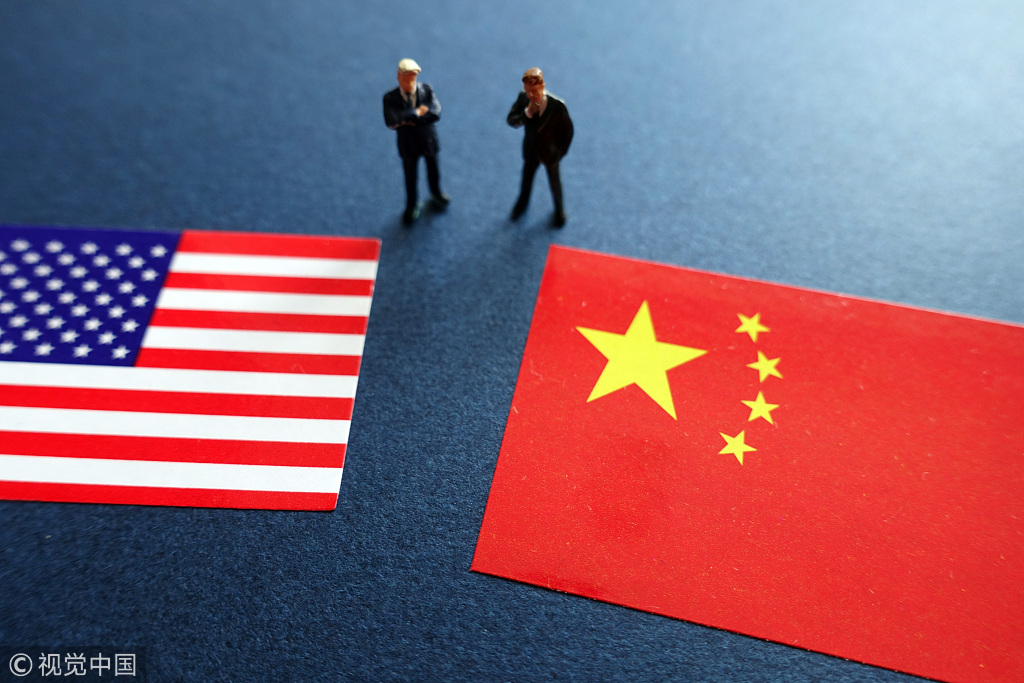
In a bid to slow, if not stall, China's rise, the US has tried to depict China as an aggressor that is disrupting the rules-based international order and as a bully that is coercing and intimidating its regional neighbors.
Yet to Washington's dismay, many regional countries have refused to toe its anti-China line and resisted Washington's attempts to pressure them to distance themselves from Beijing.
The first summit between the US and the members of the Association of Southeast Asian Nations, held in May, which the Joe Biden administration had hoped to use to win over some countries to side with it in its confrontation with China, obviously failed to achieve that purpose, ending only with a vague agreement to "appropriately cooperate in international and regional fora".
The US-orchestrated efforts aimed at containing China are already posing unprecedented challenges to peace and stability in the region. The creation of AUKUS, which groups the US, the United Kingdom and Australia against China, for instance, is enabling Australia to acquire nuclear-powered submarine technology in violation of the global non-proliferation treaty.
Not to mention the countless military drills targeted at China the US has conducted with its allies in the South China Sea, which have drastically stoked tensions in the region.
China and ASEAN have long been economically interdependent and are each other's largest trading partner. China has also promised to get along with its neighbors peacefully and never seek hegemony in the region. Their mutually beneficial relationship has withstood the test of times and will not be led astray by any external force prodding them to take sides.
Singaporean Prime Minister Lee Hsien Loong is sober-minded about how rising geopolitical tensions are affecting countries, especially in the Asia-Pacific. The rivalry between China and the United States, for example, is making it "almost impossible" to deal with pressing global issues such as climate change, pandemics, and nuclear proliferation.
"We can expect more geopolitical contestation in the Asia-Pacific," he said in a National Day speech on Sunday. "Some countries will choose a side. Others, like Singapore, will try our best to avoid being caught up in the major power rivalry".
Former US secretary of state Henry Kissinger, in a recent interview with CNN, criticized the US administration's current China policy. The choice that Washington faces is whether to deal with China "by confrontation or whether we could attempt to deal with this absolutely unique situation initially, well, primarily by dialogue".
It is obviously up to Washington to answer that question.





