


Glimpse of history









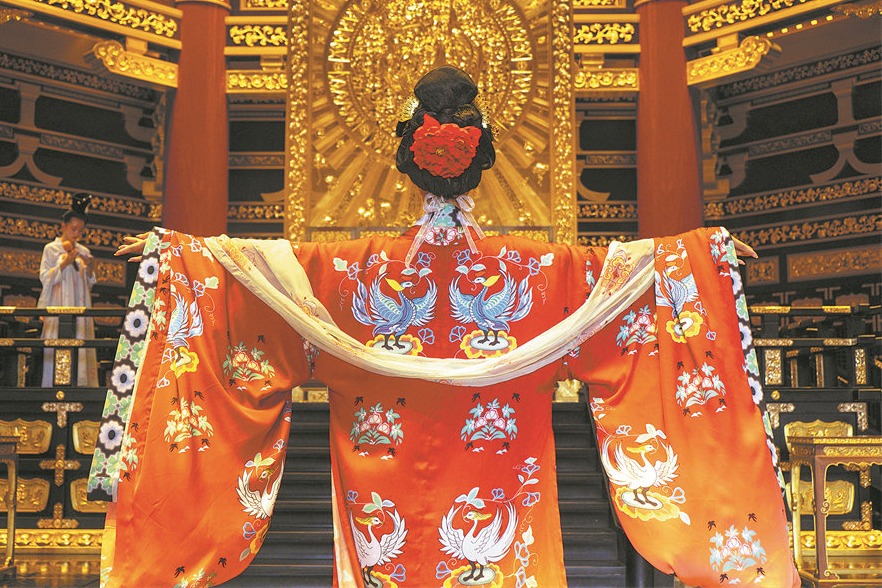
The cultural vibes of the Song Dynasty (960-1279), a high point in the country's social and economic prosperity, have staged a revival this year. A dance drama which was inspired by A Panorama of Rivers and Mountains, a 900-year-old landscape painting attributed to Song court painter Wang Ximeng, became a hit on China Central Television's Spring Festival Gala aired in late January. The performance has since kindled people's enthusiasm to imitate the dancers' challenging movements, or create works of art featuring the predominant blue and green hues in the painting, and to then share their creativity online.
In June, A Dream of Splendor, a costume drama also set during the Song Dynasty, generated another wave of popularity. The scenes of the heroine demonstrating traditional Chinese tea acrobatics drew audiences to the show as it aroused a deep and curious interest in Song social life.
Now, at an exhibition at the National Museum of China, people can again have a chance to savor the dynamics and variety of life at that time.
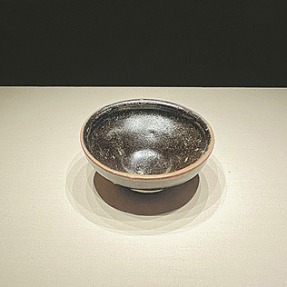
On show are porcelain items-one of the empire's brilliant products-including tea cups, incense burners, bottles and bowls, which take on different color glazes and were unearthed from the relic site of the Julu ancient city, in today's Julu county under the administration of Xingtai city, Hebei province.
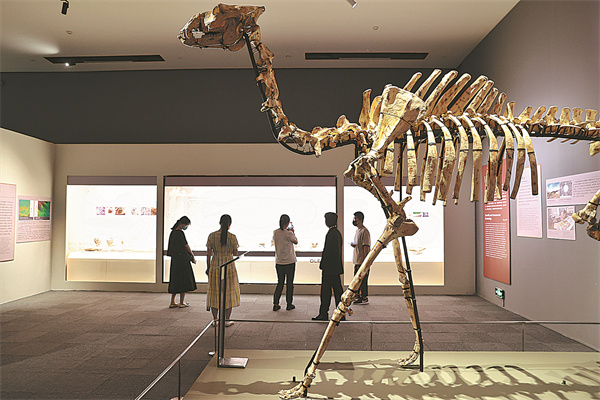
The exhibition, Profound Accumulation, Far-reaching Influence, is dedicated to the museum's archaeology work over the past century.
Running through to early October, it gathers objects found at major excavations in which the National Museum of China has participated since its inauguration in 1912. It was then called the preparatory office of the National Museum of History, located at Guozijian, the Imperial College, in Beijing.
Objects excavated at the ancient city of Julu on display include a set of ceramic black and white Go pieces. Early records of this board game are dated to the Eastern Zhou Dynasty (770-256 BC), and it was a major source of entertainment during the Song era.
Other unique exhibits include a wooden bead from an abacus, measuring about two centimeters in diameter, which is believed to be one of the earliest of its kind in China. Also of particular interest are a bronze mirror on the back of which were cast the characters, changming fugui, meaning longevity and wealth, and a green-glaze pottery roof component that resembles the head of chiwen, a mythological beast which became a common architectural decoration and was said to protect dwellers from fire.