



Delisting decision normal market practice: China Daily editorial









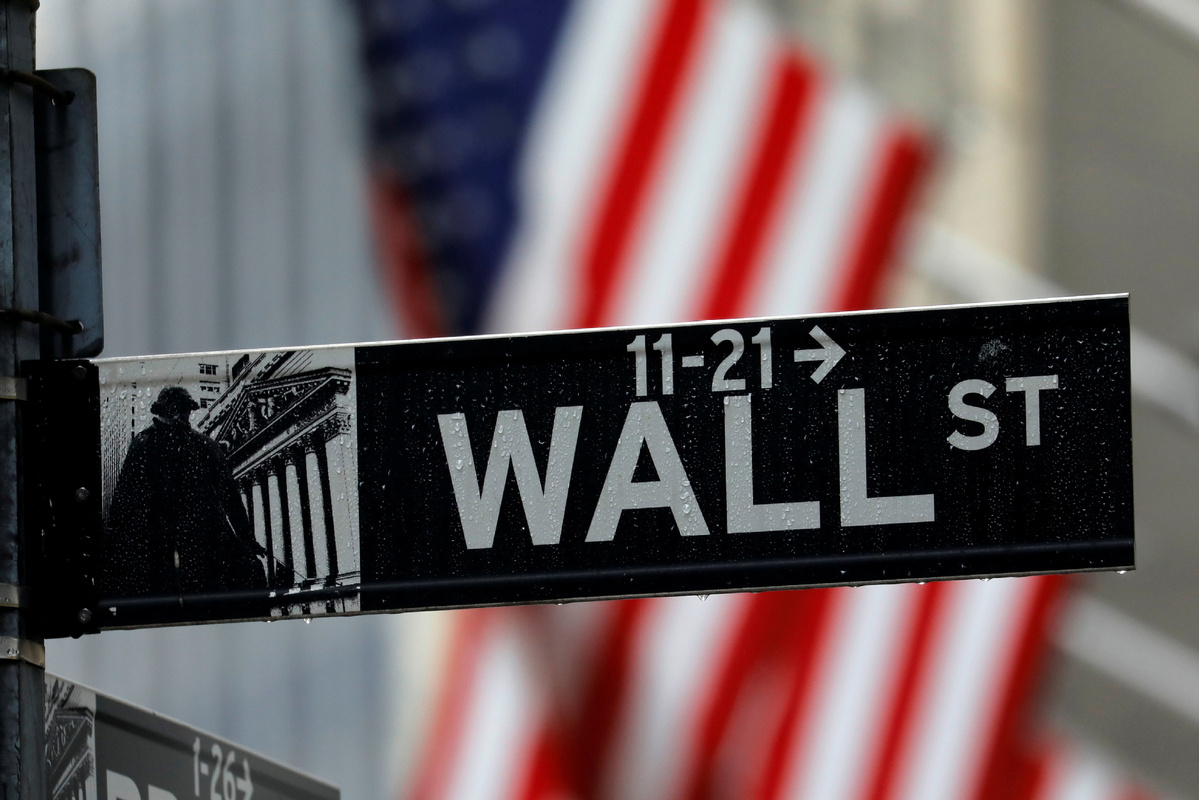
Five Chinese State-owned enterprises listed in the United States including Sinopec, PetroChina and China Life Insurance announced on Friday that they would voluntarily delist from the New York Stock Exchange this month, sparking concerns that China is seeking to decouple from the United States in the financial sector as the two countries reshape their relationship amid rising tensions.
Such an assumption is not without reason, given that the US has in recent years stepped up its clampdown on Chinese companies listed in the country on the pretext of national security concerns. Chinese telecommunications giants China Telecom, China Mobile and China Unicom, for example, were all delisted from the NYSE last year after an executive order signed by previous US president Donald Trump to restrict investment in Chinese technology companies.
Yet to infer from the latest move by the five SOEs that US-listed Chinese companies are planning to leave one of the world's largest capital markets is an over-interpretation.
There are currently around 250 Chinese companies listed in the US, with a total capitalization of more than $2.1 trillion. By going public in the highly liquid US bourses, they have benefited markedly, not only in terms of funds raised, but also their improved level of corporate governance that has helped them better integrate into the global market. This is a win-win arrangement, as it has also enabled international investors to share the fruits of China's fast economic growth over the past several decades.
The decision of the five Chinese companies to delist was made "out of their business considerations", according to the China Securities Regulatory Commission.
The five companies have cited "low turnover" in the trading of their shares — in the form of American depositary receipts — in the US market because they have had the majority of their shares traded in Hong Kong and the Chinese mainland, in addition to "high administrative burden and costs", as the reasons for delisting.
Nonetheless, it is an undeniable fact that the US is doing all it can to try to decouple China from the rest of the world. On the financial front, the US Securities and Exchange Commission has targeted some of China's largest companies such as Alibaba, Baidu and JD.com, putting them on a list of possible expulsion from the US capital market citing alleged auditing flaws. Negotiations are still underway between Chinese and US regulators on the issue.
Yet despite that, China will continue to encourage its enterprises to use domestic and foreign capital markets for financing and development and open its own doors wider to the outside world.





