



Paddlefish another entry on the saddest of lists









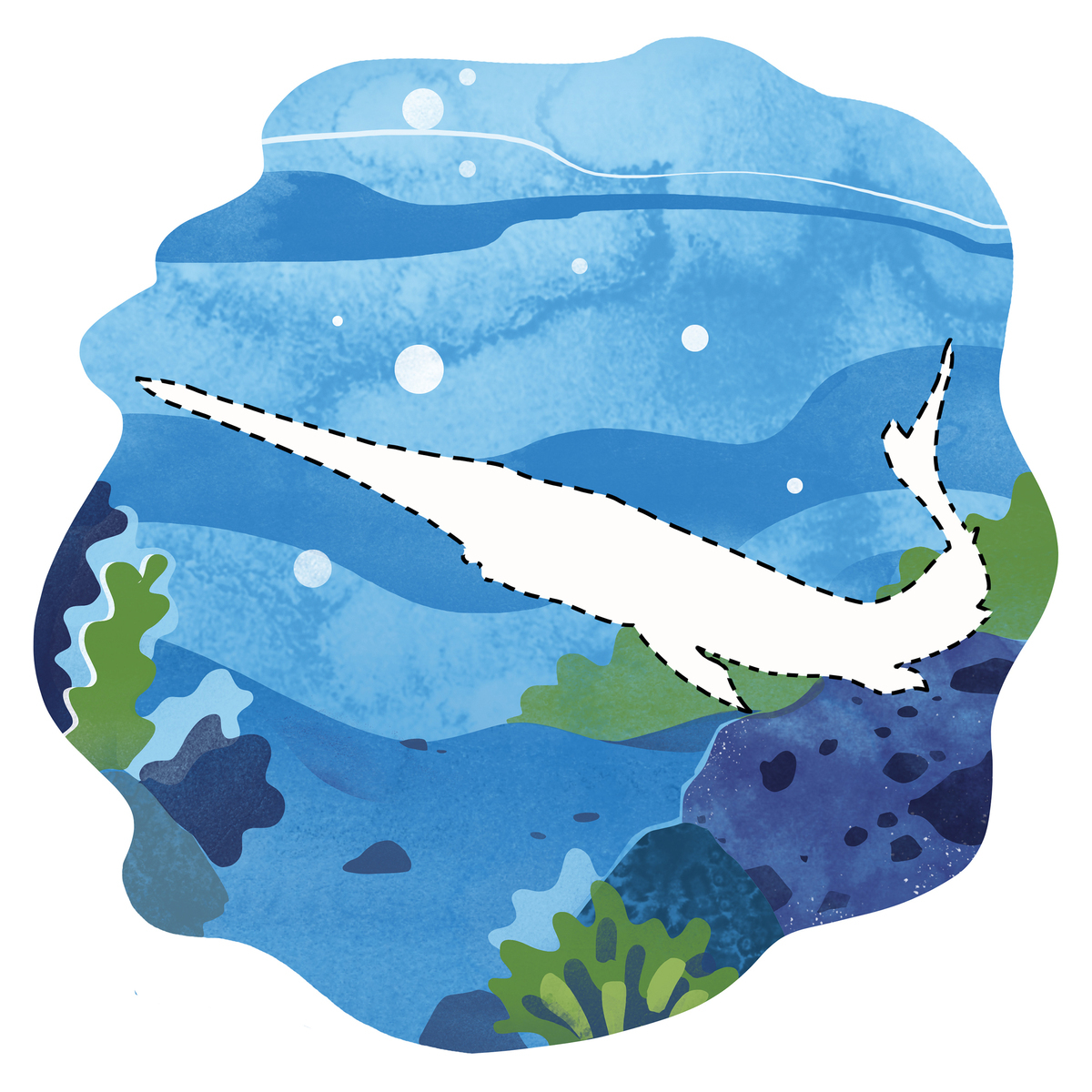
The International Union for Conservation of Nature added the Chinese paddlefish to its list of extinct species last week.
The sturgeon had been a denizen of the Yangtze River Basin since some 200 million years ago. It was among the world's biggest freshwater species and could grow up to 7.5 meters in length. The last time the fish was spotted was in 2003 in the upper reaches of the Yangtze River in Yibin, Sichuan province. It was an injured female sturgeon. After local people treated its wounds, it was released into the river.
People's sadness on hearing the news stems from the fish vanishing before they even knew of it-the news being the first time many had heard of the fish-and because the disappearance of such a "living fossil" species that has outlived dinosaurs occurred in their generation.
Although experts have urged the country to strengthen the protection of other endangered species in the Yangtze River, such as the Yangtze white-flag dolphin and Yangtze finless porpoise, which are on the verge of being declared extinct, everybody knows it is easier said than done, and the suggestion is like a funeral oration made upon the extinction of every species.
The Yangtze River Basin is home to more than 400 million people, produces about 40 percent of the country's gross domestic product, and is also a major grain production base. The annual volume of freight transportation along the main stream of the 6,300-kilometer-long river is more than 3.5 billion tons.
Not to mention the dams built along the river and its tributaries, which block the routes of migratory fish, which is a characteristic of large freshwater fish.
Also overfishing had almost exhausted the fishery resources of the world's third-longest river before a 10-year ban on fishing was enforced from last year.
True, stringent pollution control measures, the prohibition on fishing and ecological preservation measures that have been implemented recently all contribute to the improvement of the water quality and ecology in certain sections of the river. But the whole-basin ecological restoration of the river is almost impossible given how much it has had to give.
The reason that the giant panda can be saved from the brink of extinction is that it is easier to breed artificially thanks to the country's huge input in relevant research, and more importantly its habitats in at least three provinces are so strictly protected. That cannot be copied in the whole of the Yangtze River Basin.
As such, it is already a miracle that the Chinese paddlefish and the Yangtze alligator, which became extinct early this century, as well as other endangered species in the river, made it to this century.
The protection of biodiversity will only delay the extinction of some species, which is almost unavoidable with the loss of their habitats or the changes in the environment.





