



Weak euro a bill for US hegemony: China Daily editorial









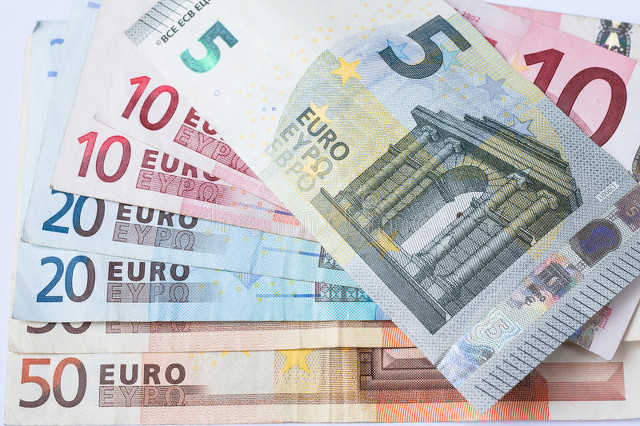
On Tuesday, for the first time in two decades, the European single currency fell to parity with the US dollar.
The value of the euro has fallen around 12 percent since the start of the year, as fears of the bloc suffering a recession keep mounting, driven mainly by high inflation and the energy supply uncertainty caused by the Russia-Ukraine conflict.
Nord Stream 1, the biggest pipeline sending Russian gas to Germany, began annual maintenance on Monday, with flows expected to halt for 10 days. But governments and markets are worried Russia might extend the shutdown, exacerbating the euro bloc's energy crunch and tipping its economy into recession. The European Union received more than one-third of its gas from Russia through pipelines before the conflict.
Compounding the EU's energy woes is skyrocketing inflation in the eurozone, which hit an all-time high of 8.6 percent in June, after climbing 8.1 percent the previous month.
Energy prices were already more than 40 percent higher than in June last year, and will likely continue hitting new highs in the near term. That has prompted the European Central Bank to announce that it will raise interest rates this month for the first time since 2011, and be "in a position to exit negative interest rates by the end of the third quarter". The ECB's main rate is currently set at minus 0.5 percent.
The spillover effects of the conflict between Russia and Ukraine have further dimmed the prospects of European economic growth and ultimately led to Europe paying the price for the United States' provoking of the conflict.
The longer the conflict goes on, the greater the future losses to Europe and, naturally, to the euro.
An increasingly weak euro will further dampen investors' confidence in the eurozone and bring uncertainties to Chinese exports to the EU, the country's second-largest trading partner.
In the first half of 2022, China's trade with the EU grew by 7.5 percent to 2.71 trillion yuan ($403.25 billion). But a recession in the EU would hit the demand for Chinese goods, making the environment more difficult for Chinese exporters who are already suffering from high raw material costs and disrupted industrial and supply chains.
Policymakers must work out contingency plans to manage the foreign exchange risks and deal with any ramifications that may arise from a weaker euro on the Chinese economy.
The Ministry of Commerce is already working with local governments to boost the implementation of policies aimed at stabilizing trade and ensuring smooth foreign trade logistics, but they may need to strengthen their support for foreign trade companies.





