



Nation must shore up resilience to food crises









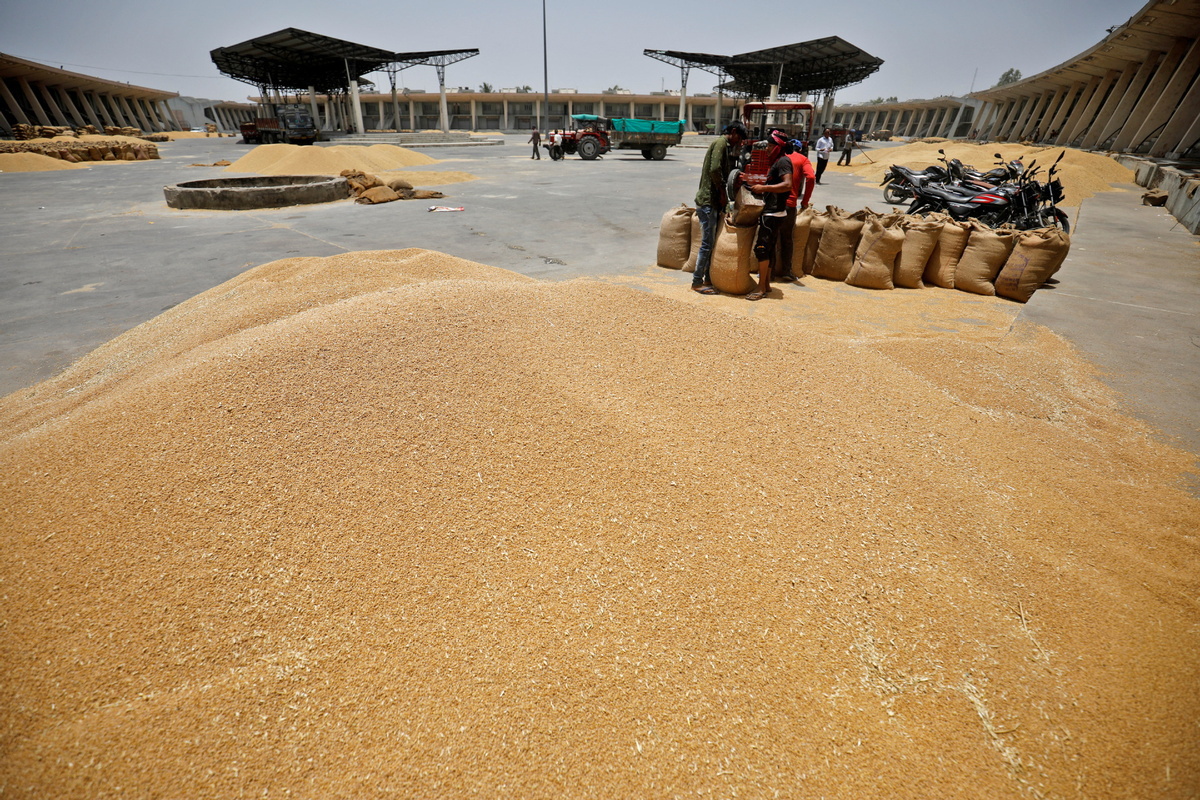
The world faces the biggest food crisis since World War II. There is a growing risk of large-scale poverty and famine in the world's least developed countries, which are highly dependent on food imports.
According to the UN Food and Agriculture Organization's 2022 Global Report on Food Crises, some 193 million people in 53 countries face a severe food crisis or suffer from food insecurity.
The current global food crisis is driven by multiple factors, such as geopolitical conflicts, agricultural trade protectionism, persistent inflation, COVID-19, extreme climate disasters and the large-scale production and use of biofuels.
China's grain self-sufficiency rate is high, and it has sizable grain reserves of wheat and rice. So the short-term impact from the international market on China is relatively small.
But it should also be seen that China, which accounts for about 20 percent of the world's population, has just 7 percent of the world's arable land. That means its arable land per capita is low. What is also low is its level of agricultural mechanization. Therefore, China still relies on the international market for quite a few kinds of agricultural products, such as soybeans, sugar and edible oil seeds.
In addition, China is highly dependent on imports of feed grain, and a sharp rise in international grain prices will lead to a rise in domestic meat prices.
China therefore needs to diversify its sources of agricultural imports so as to minimize the risk of blocked import channels brought about by geopolitical conflicts and economic crises. For example, about 85 percent of China's soybean imports come from the United States and Brazil.
China also urgently needs to modernize its agriculture, improve its agricultural subsidy policies and increase the basic productivity of major grain crops. The country should increase its subsidies and raise minimum national purchase prices for agricultural products that are highly dependent on imports.
In addition, a sound agricultural insurance system should be established to guide large-scale and mechanized production and improve land use efficiency. On this basis, mechanisms for risk prevention, risk warning and post-disaster reconstruction should also be established and strengthened to reduce the risk of grain production reduction caused by natural disasters.





