



No basis for RMB's sustained depreciation









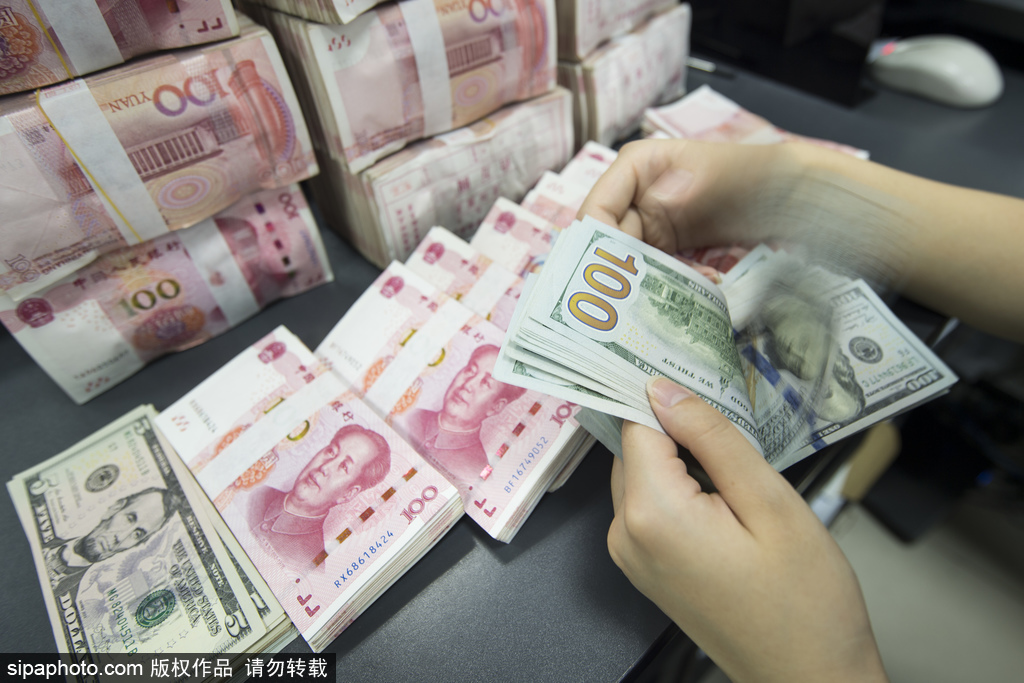
The renminbi's exchange rate against the US dollar was 6.8 on May 13 and 6.6 on Monday, suggesting that the bearish expectation of the renminbi is weakening, as the market realizes that the renminbi lacks the basis for long-term depreciation.
The renminbi's quick depreciation since late April was mainly due to the pessimistic market sentiment triggered by the COVID-19 pandemic's influence on the Chinese economy. Also, with the US Federal Reserve raising interest rates in early May, the narrowing interest rate gap between China and the United States and even some maturity reversals between the two markets naturally led to the outflow of foreign capital from China, forming a short-term "herd effect" in the exchange rate market.
Although China's monetary policy is currently inconsistent with most major economies, it shows the country's restraint and self-discipline in monetary policy, as the Western countries' monetary tightening is a result of their previously excessive monetary easing.
Inflation also affects exchange rates by changing the relative purchasing power of currencies. If we look at real interest rates after adjusting for inflation, the interest rate gap between China and the US is still positive.
In the face of global inflation, China has a high margin of safety in energy or food supplies. As a global manufacturing power, China's strong production and supply capacity and its core position in the global industrial chains constitute a solid foundation for the stability of the renminbi's exchange rate.
The rebound of the economy after the pandemic is put under effective control, the series of pro-growth policies, the country's sound international balance of payment and the narrowing gap in difference between onshore and offshore currency prices all mean that the exchange rate of the renminbi will enter an adjustment period featuring two-way fluctuation, despite the sustained depreciation pressure from uncertainties associated with the pandemic and geopolitical tensions.





