


A golden opportunity









An art graduate embarks on an arduous, but potentially glittering, career by learning a traditional lacquer craft, Yang Feiyue reports.
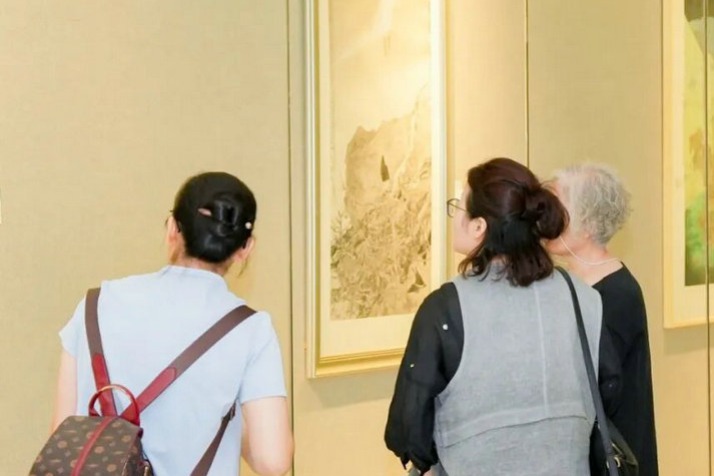
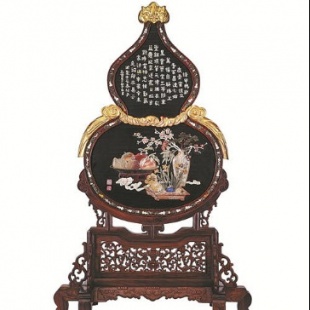
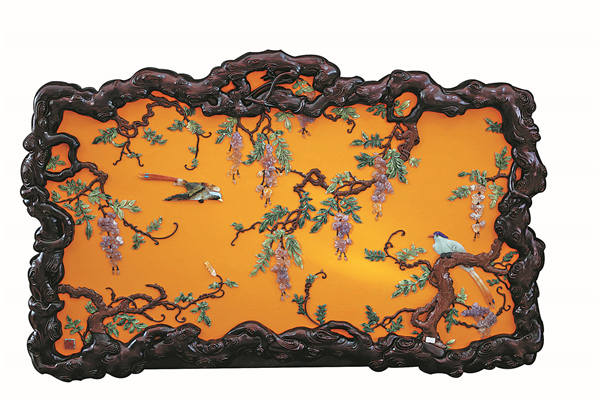
A visit to an exhibition in 2007, just before his college graduation, changed the trajectory of Hou Xue's career. The simple yet majestic decorative screens and elegant cabinets that featured the gold lacquer inlaying technique took Hou's breath away.
"The aesthetic of the exquisite craftsmanship was stunning," the 39-year-old Beijing resident says.
"It felt like a dream when I touched the furniture and utensils used by a royal family."
The stories of Bai Deyuan, the craftsman who dedicated his life to pursuing the technique, also cast a spell on Hou.
When Bai Qun, Bai Deyuan's son, a national inheritor of the gold lacquer inlaying technique and the exhibition's host, asked Hou if he was interested in learning the craft, Hou readily agreed.
"It was an impulsive decision and a deviation from what I had planned to do after graduation," Hou says, adding that he was just about to finish his studies in art and design at North China University of Technology. "At that time, I just wanted to apply for a job as an art editor or art designer at a newspaper or magazine," he says.
For him, the decision kicked off an arduous yet rewarding journey of exploring gold lacquer inlaying, a skill that was named a national intangible cultural heritage by the State Council in 2008.
Gold lacquer inlaying is an important category among traditional crafts and boasts a long history. Beijing was once an important lacquerware production area and today's gold lacquer inlaying has mainly carried forward techniques and art styles from the Ming (1368-1644) and Qing (1644-1911) dynasties. It has been applied to utensils, furniture, screens, plaques and wall decorations.