



Assimilating new urban residents can give cities fresh growth vitality









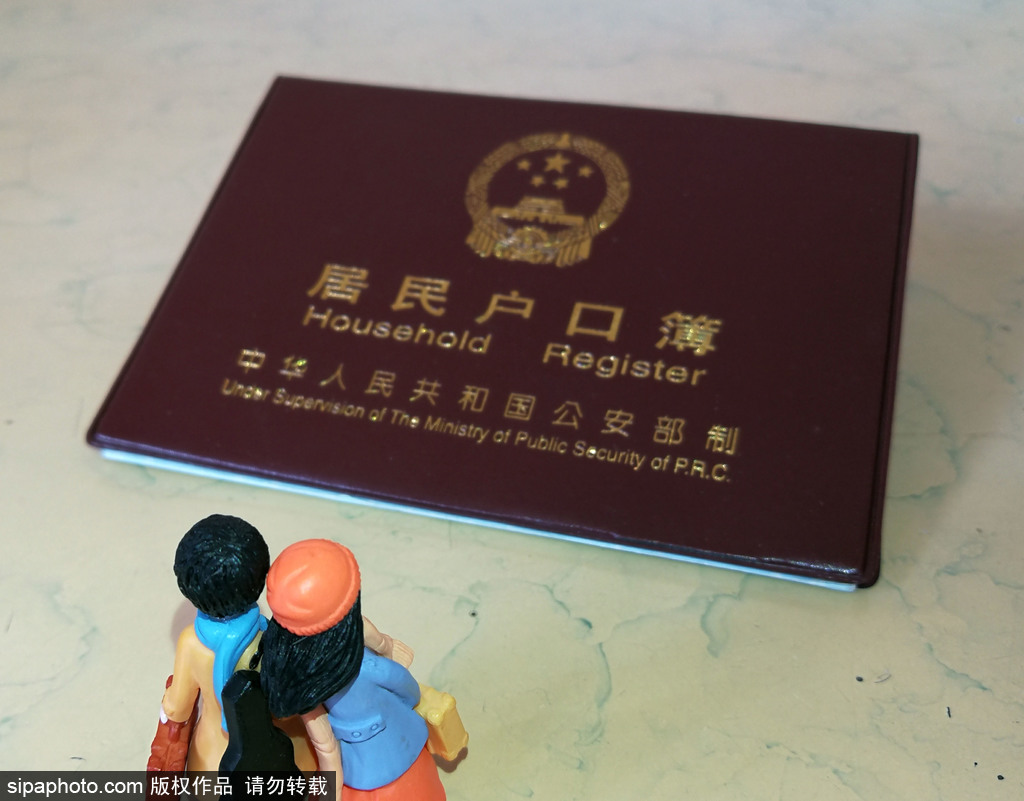
The central authorities are reportedly going to solicit opinions on how to better serve "new urban residents".
There are more than 300 million "new urban residents", who consist of migrant workers and urban residents who do not have an urban household registration, or hukou, or who have had one for less than three years.
Last year, 64.72 percent of the country's population lived in urban areas. Yet, only 45.4 percent of the national population has an urban hukou. It is the "new urban residents" that constitute the main body of the gap.
Although the migrant workers work and live in the cities, they still do not have the same access to public services such as education, medical care and government-subsidized housing that other urban hukou holders have.
The rising living expenses in cities in recent years and the heavy blow the COVID-19 epidemic has dealt the service sector, which is the main source of jobs for them, have spurred many to return to their rural homes or smaller towns.
For too long, China's urbanization has focused on swelling the GDP of cities, rather than providing these city builders and servers with their overdue citizenship. Granting them hukou does not necessarily add to the financial burden of the city governments. They are much younger on average than the established urban population which is entering an aging society faster than expected.
A decline in the size of the urban population will become inevitable given the falling birthrate in the country. It does not make sense that cities turn down this younger population of working age which they are actually in need of.
By assimilating these new residents, the cities can take advantage of their education and vocational training systems to improve their labor quality and skills, so that they can become more capable wealth creators for themselves and the country. As urban consumers, their spending power will be several times that of their rural counterparts at present.
To avoid an increased burden on schools and hospitals, the cities can design a more rational and inclusive rating system to grant the qualified migrant workers access to them step by step. The design of the system should demonstrate foresight to ensure that the inflow of new residents should not disturb the fiscal balance of the cities.
The new urban residents should not be seen as a burden, but source of new growth potential and vitality for cities.





