Reforms will make China's sciences stronger









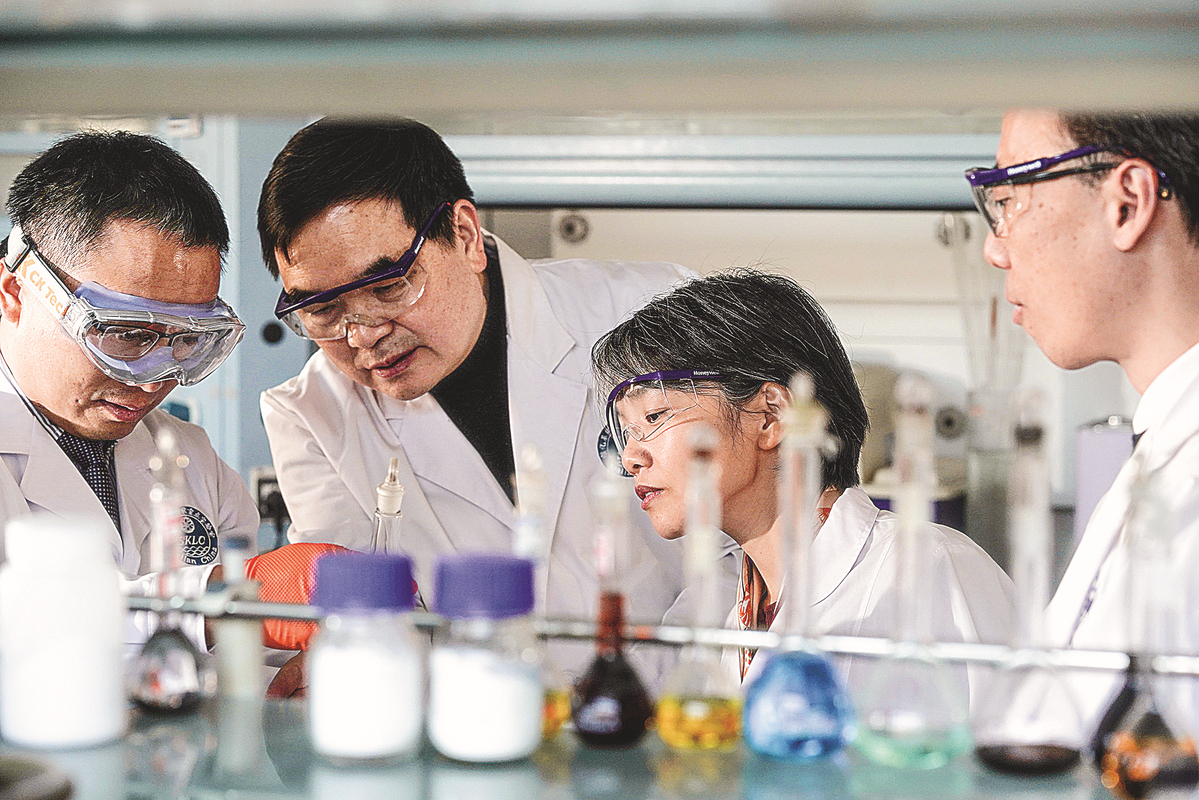
As a science and technology reporter in China, I've been sensing a sea change in my news beat lately. The effect is subtle for now, but I have a strong gut feeling that it will amount to something profound, so much so, that it may even define China's scientific development for years to come.
The trend can be best described as an ambitious, top-down overhaul of the country's science and technology sector, with the goal of overcoming some of its most persistent issues.
This includes a lack of support for basic research, overreliance on imported technologies, inefficient project management, and oversimplistic evaluation metrics for scientists and their work.
The overarching blueprint was announced at a meeting of the Central Committee for Deepening Overall Reform in November, which approved a three-year plan to reform China's science and technology systems between 2021 and 2023.
President Xi Jinping, who chaired the meeting, said that the purpose is to enhance China's ability to innovate in science and technology, as well as respond to emergencies and changes on the institutional level. This will accelerate the building of a system that cultivates self-reliance and self-strengthening in science and technology, he added.
One of the reform's core objectives is to enhance strategic science and technology research. This includes establishing an efficient mechanism for encouraging breakthroughs in core technologies, restructuring the State laboratory system, establishing new research centers in basic sciences, and training top-notch talent in strategic fields.
On the legislative front, the National People's Congress Standing Committee adopted the amendment to China's Science and Technology Progress Law in late December, making it the second time the 1993 law has been altered since 2007. The changes went into effect earlier this year.
They create a comprehensive legal framework to improve spending in key basic research and frontier technologies. This includes clauses on achieving national carbon-reduction goals, cultivating a strategic talent pool, supporting science workers and tech companies, and improving national laboratories.
On Feb 18, the Ministry of Science and Technology and the Chinese Academy of Sciences held a work meeting to discuss how to fulfill these missions and facilitate the successful implementation of science-related policies.
While details are still in the works, the overall theme of greater self-reliance in science and technology will likely be a focal point during this year's two sessions, China's annual gatherings of its top legislature and political advisory body, according to deputies and members attending the events.
Zhou Zhonghe, a noted paleontologist and a member of the Chinese People's Political Consultative Conference National Committee, said that science-related affairs are multifaceted and highly complex, and so is important to raise public scientific literacy, especially for children.
As a result, his proposal to this year's sessions is focused on enhancing scientific education and outreach to schools through measures like improving the number of science teachers in elementary schools.
Zhao Xiaojin, vice-president of the Fifth Academy of China Aerospace Science and Technology Corporation and also a national political adviser, said that China is set to complete the Tiangong Space Station this year.
As the new station will host a plethora of bioscience experiments, it is imperative that China starts developing regulations to ensure the safety and use of these space biotechnologies, he added.
With so much revamping going on, it is possible that China's science and technology ecosystem will not be the same in a few years-all the more reason keep an eye on this rising scientific global powerhouse.


- Prosecutors put heat on telecom fraud
- Field work gives meaning to China's rural growth
- Children's books a tale of new cultural confidence
- Women's cause poised for higher-quality growth in 15th FYP
- Xizang's remote villages gain access to express delivery services
- Egyptian man explores 460-year-old fair in Tianjin