Balance economy with pandemic fight










The Central Economic Work Conference in December said that China is facing pressure on three fronts-shrinking demand, supply shocks and weakening expectations-and one of the important reasons for that is the COVID-19 pandemic.
China's dynamic zero-infection policy, that is, taking timely measures to curb infections, has proved more effective than some Western countries' policy of acquiring herd immunity to contain the pandemic. The relatively low numbers of infections and deaths in China and the country's rapid economic recovery prove that.
China's GDP growth was 2.3 percent in 2020, which increased to 8.1 percent year-on-year in 2021. As a result, China's economy is now worth 114.4 trillion yuan ($18 trillion).
However, the United States economy, too, is growing at a healthy rate and will continue to be the largest in the world. Also, an increasing number of countries are loosening their pandemic-related restrictions, in order to achieve economic recovery, because they believe the Omicron variant has relatively mild symptoms and is less dangerous than the other variants of the novel coronavirus.
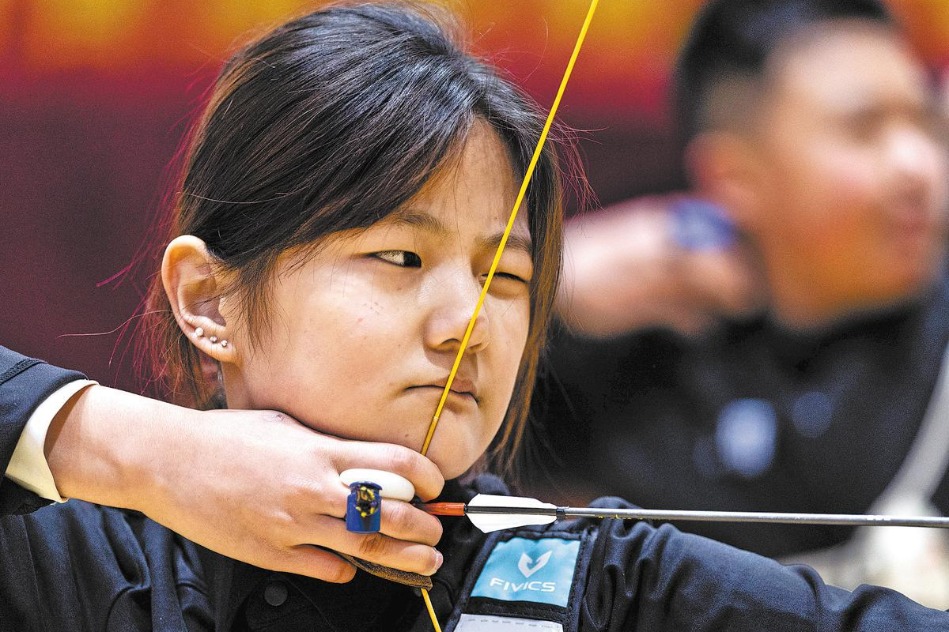
China is set to host the Beijing 2022 Winter Olympic Games from Feb 4 to 20, with thousands of foreign athletes and officials-along with their Chinese counterparts-attending the 17-day event. As such, the Winter Olympic Games-followed by the Winter Paralympic Games from March 4 to 13-will be a big test for Beijing when it sticks to dynamic zero-infection policy, especially given the sporadic cases of Delta and Omicron both.
China has been taking timely and effective measures to keep cluster outbreaks in check. It means China and the countries pursuing herd immunity cannot learn from each other because their strategies to contain the pandemic are different.
In fact, not content with just taking effective measures to prevent infections at home-partly due to infections breaking out intermittently in different places-China has also strengthened rules and regulations to minimize the risks of imported cases.
Here are some suggestions about how infections can be checked while keeping the impact on productivity and people's lives to the minimum.
Different departments should better share detailed data on the impact of pandemic-control measures on specific groups, such as those with yellow or red codes, so people don't have to register every time they visit a place. The authorities should take targeted actions such as conducting epidemiological investigations, origin tracing, screening and quarantine in the face of cluster infections, even if they are sporadic.
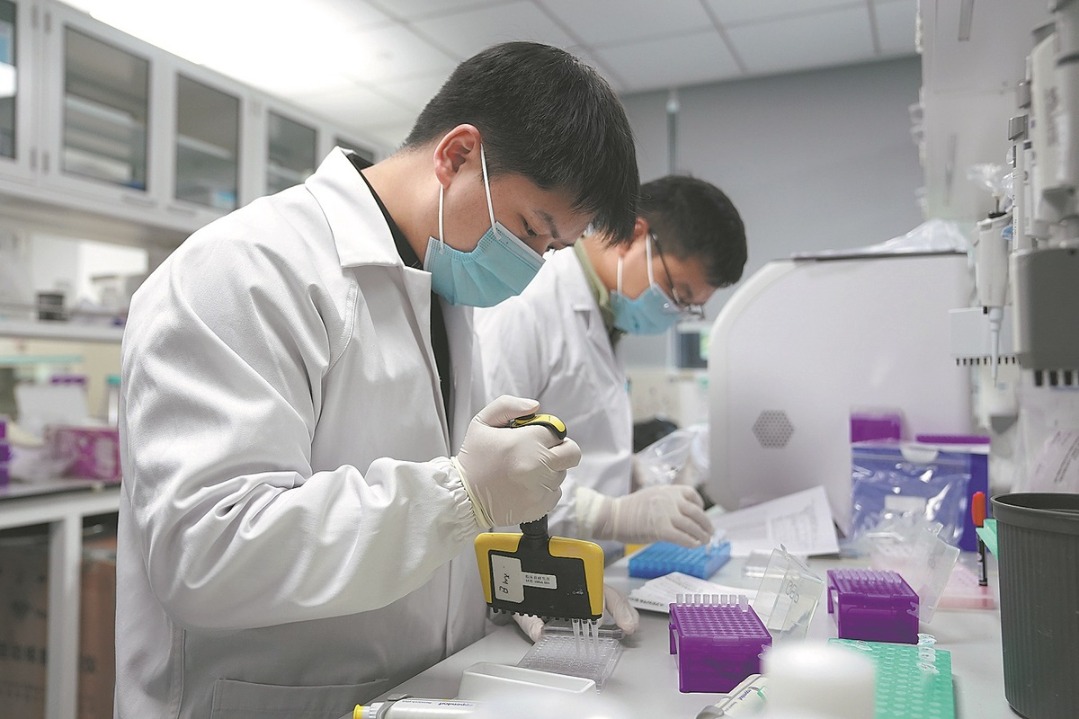
Since high-tech apps, effective epidemiological investigations, and contingency plans and rational policymaking have played very important roles in keeping the numbers of infections and deaths in China low, the authorities need to use the experience to further strengthen the anti-COVID-19 measures by, among other things, providing specialized training for medical and other workers.
Actually, the Beijing municipal government has already issued directives requiring all district authorities to be in a state of emergency, while the district and higher-level authorities have prepared plans for quick response to any outbreaks and ensure the smooth progress of the Winter Games.
The authorities also need to learn from the previous lessons, fight formalism and bureaucratism, abandon the one-size-fits-all approach to solve problems, and ensure everybody has access to medical services.
In the fight against the pandemic, China has also formulated some innovative but effective treatment plans combining Western medicine and traditional Chinese medicine. Such practices should continue.
Also, it is very important to encourage as many people as possible to get vaccinated to boost immunity. It is also important for normal economic activities to continue, people to overcome coronavirus anxiety and all work together to build a friendly environment for the whole society.
It's difficult to maintain normal economic activities when strict anti-pandemic measures are in force. Yet China has to navigate through choppy seas to develop its economy and maintain its global competitiveness, and it will do so.
The views don't necessarily reflect those of China Daily.

The author is chief economist of the China Academy of New Supply-Side Economics.
If you have a specific expertise, or would like to share your thought about our stories, then send us your writings at opinion@chinadaily.com.cn, and comment@chinadaily.com.cn.