



Study rewrites timeline for mankind









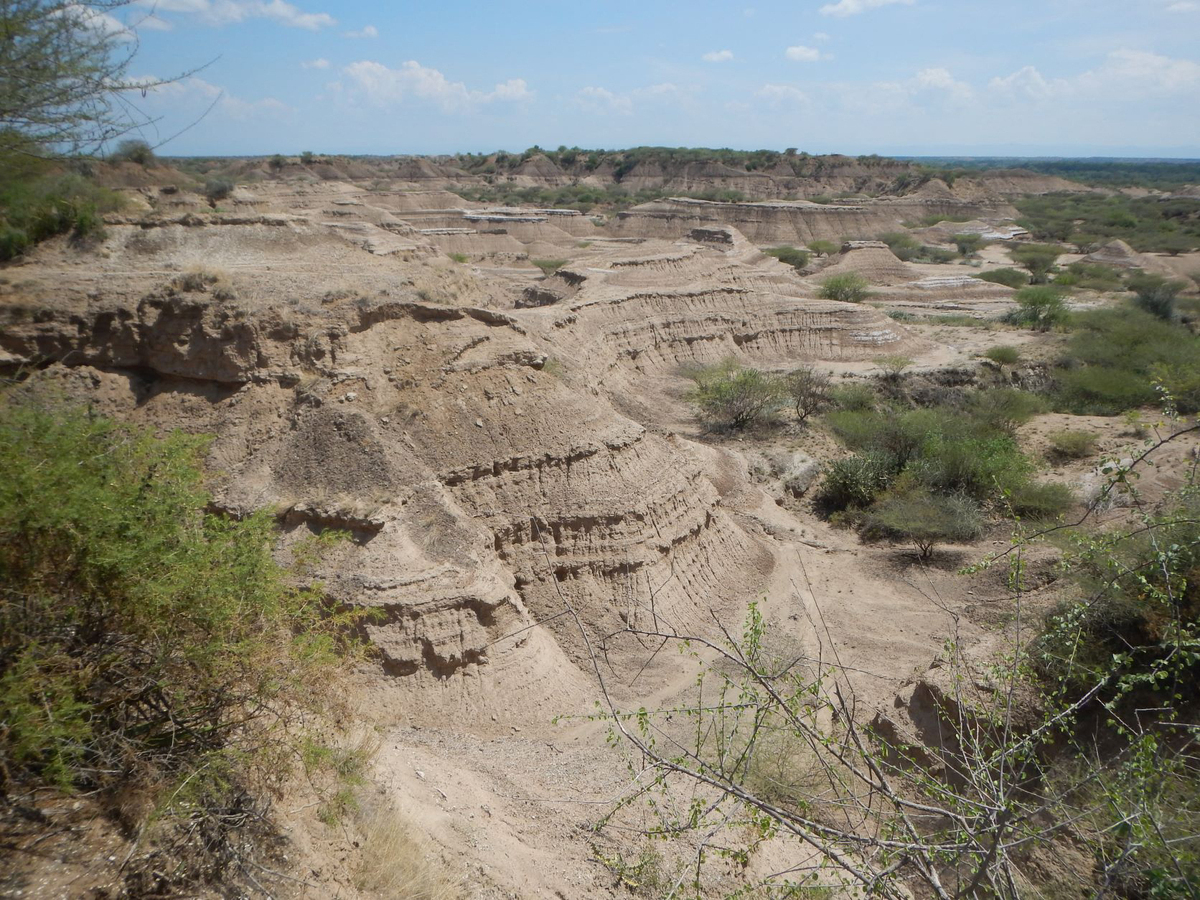
The earliest human remains ever discovered are at least 233,000 years old, according to an analysis that sheds new light on the dawn of Homo sapiens, pushing back previous estimates by around 38,000 years.
An international team of scientists led by the University of Cambridge reassessed the age of a collection of fossils, including skull fragments, called Omo I, which were discovered in Ethiopia in the late 1960s.
The fossils are the oldest confirmed Homo sapiens remains, and earlier attempts to date them estimated they were around 195,000 years old.
By assessing the chemicals in volcanic sediments above and below the area in which the fossils were found, the Cambridge team was able to ascertain the remains were much older than previously thought.
Study co-author Aurelien Mounier, from the Musee de l'Homme in Paris, said the new study means the fossils are definitively the "oldest unchallenged" evidence of Homo sapiens in Africa.
Separate fossils found at the Jebel Irhoud archeological site in Morocco in 2017 have been dated at 300,000 years old, though archeologists dispute whether the bones belonged to Homo sapiens or a close relative.
The Omo remains, which include Omo I and an additional find known as Omo II, were discovered by a team directed by renowned Kenyan paleoanthropologist Richard Leakey, who died early this month.
Leakey and his associates made a series of notable fossil finds between the 1960s and 1980s, including evidence of early Homo sapiens and older hominin relatives in various locations in East Africa.
Classified as anatomically modern humans, the Omo remains were among the most monumental discoveries, though their true age has been disputed.
The fossils were found below a thick layer of volcanic ash that nobody had managed to date with radiometric techniques because the ash is too fine-grained, said Cambridge volcanologist and lead author Celine Vidal.
To get around this issue, the team dated pumice samples from the Shala volcano 400 kilometers away. Chemical analysis confirmed the pumice samples came from the same volcanic eruption that dumped sediment on the Omo site, meaning both sediments were the same age.
"Each eruption has its own fingerprint-its own evolutionary story below the surface," said Vidal. "Once you've crushed the rock, you free the minerals within, and then you can date them, and identify the chemical signature of the volcanic glass that holds the minerals together."
The researchers say that while the study shows a new minimum age for humans in eastern Africa, it is possible new finds may extend the age of our species even further back in time.
"We can only date humanity based on the fossils that we have, so it's impossible to say that this is the definitive age of our species," said Vidal.










