



ESG buzz-phrase for aviation players









Environmental, social, governance and sustainable development have become more prominent factors for Chinese aviation industry players, as they aim to raise their global image, especially given the complex international situation amid the COVID-19 pandemic.
New York-based index provider MSCI has rated some 700 Chinese companies about their ESG performance. Most domestic aviation companies got medium ratings, indicating ample room for growth.
Companies with better ratings have been more actively planning and implementing social responsibilities, energy saving and emission reduction measures, global consultancy PwC said in a report.
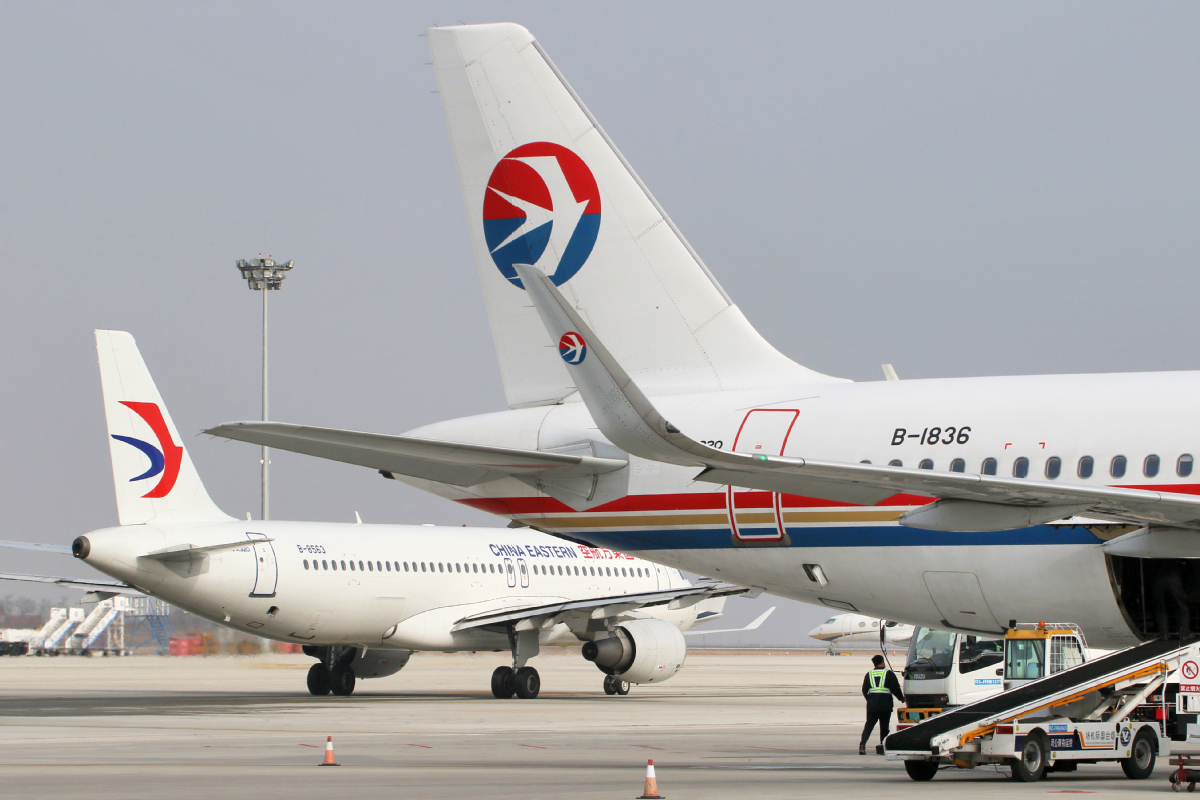
Among domestic airlines and airports, Shanghai-based China Eastern Airlines received the best rating of A for its ESG performance. A role model in the sector, the carrier has been making efforts in reducing carbon emissions, raising the overall operational efficiencies of its fleet, and improving its electrification level on the ground.
Besides, it has taken effective measures to protect the personal information of passengers and data safety, and its ESG ratings by MSCI have been increasing in the past four years, PwC said.
Sequentially, Guangzhou-based China Southern Airlines got a rating of BBB. Air China, SF Airlines and Beijing Capital International Airport got BB ratings in their ESG performances, MSCI said.
"Leading aircraft manufacturers, parts suppliers, airports and airlines have started actively taking measures in achieving sustainable growth. Yet, given limited alternative technologies available, compared with other transportation sectors, it is particularly challenging for the aviation sector in its path to reduce carbon emissions," said Johnny Lau, chief consultant of the aviation business services at PwC China.
"For upstream and downstream aviation industry players, they should actively set up carbon reduction targets, establish monitoring and reporting mechanisms, and take some innovations in financial services related to ESG," Lau said.
Domestic aircraft manufacturer Commercial Aircraft Corp of China and engine maker Aero Engine Corp of China have made a lot of investments in using environmentally friendly and energy-saving materials in aircraft and engine designs, he added.
"Future consumers will increasingly pay attention to sustainable development. Doing a good job in related sectors could help aviation companies to attract more customers and create significant benefits. Making investments in ESG is a must, despite the rising costs at the beginning," Lau said.
Between 2008 and 2012, European airlines joined the European Union Emissions Trading System. The system covers flights that take off and land in the European Union, and the total initial quota is calculated based on different airlines' historical carbon emissions data.
China has established a national carbon trading system, promoting voluntary carbon emissions credit trading among domestic entities, and the market started trading in July. The power industry was included in the market first. Next, the aviation sector, along with iron and steel, and papermaking will be included in China's carbon trading market.
"The importance of ESG in enterprise management is continuously increasing. Given the trend, aviation companies should formulate comprehensive ESG strategies and development goals, and disclose ESG reports annually," said Steven Zhong, lead partner of ESG of sustainable value chain advisory at PwC China.
"Good ESG management can help companies better carry out internal governance, attract talent, expand markets and build reputations. It can also help companies tackle the challenges of climate change and achieve long-term sustainable growth," Zhong said.
By the end of 2020, total annual air passenger transportation volume in China had remained the second highest globally for 15 consecutive years, and three State-owned airlines have been listed among the top 25 airlines globally, the Civil Aviation Administration of China said.
Yu Zhanfu, partner and vice-president for China business at consultancy Roland Berger, said air transportation is irreplaceable in contributing to domestic and international communications.
"It will be a highly challenging task to continuously explore diversified methods for energy-saving and carbon emissions reductions, as the number of aircraft constantly grows," Yu said.











