Wetlands protection reaps rich rewards










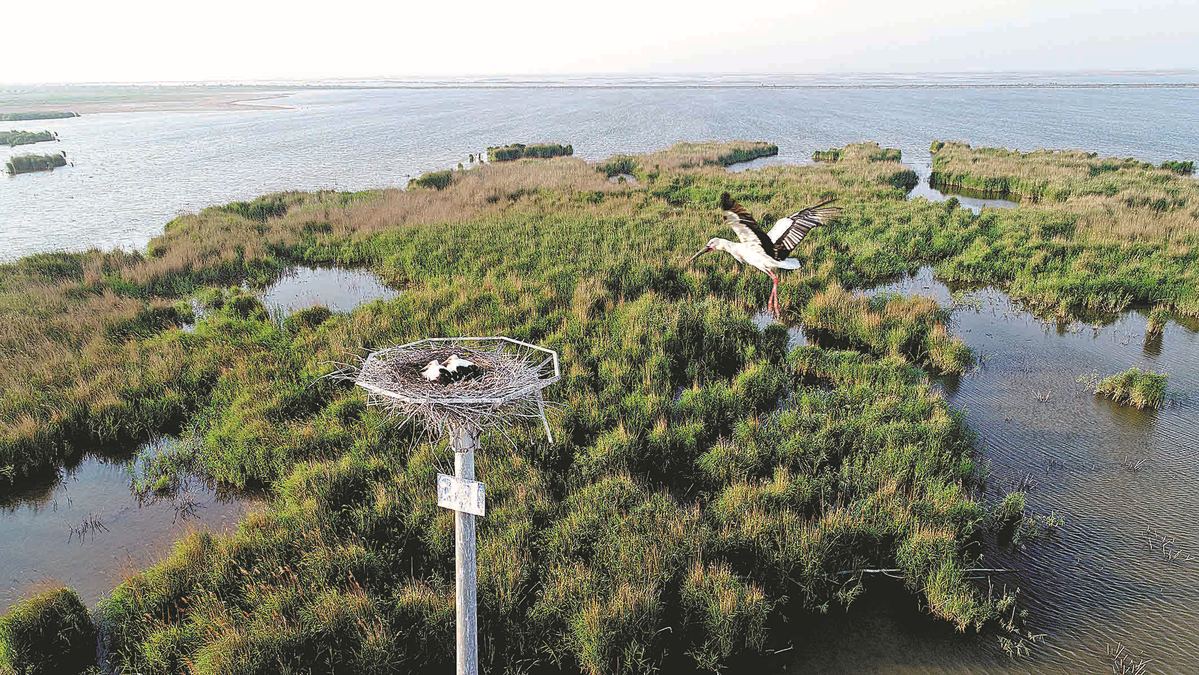
An outline for the Basin's protection and development through 2030, released in early October by the central government, calls for the protection and restoration of wetlands on the lower reaches of the delta.
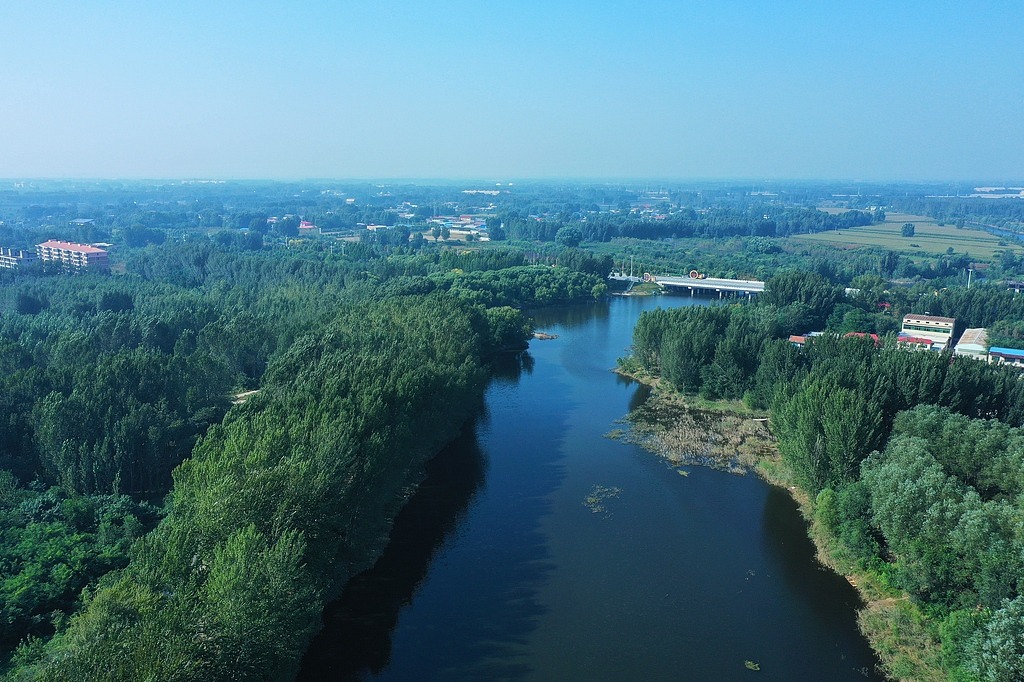
Local governments have prioritized protection of the reserve, with such efforts strengthened in the past three years. This work followed a symposium on ecological conservation and high-quality development in the Yellow River Basin chaired by Xi in Henan province in 2019.
Gou said, "As water is crucial to maintaining the healthy ecological system in the wetlands, we have been replenishing the water there."
Water projects have made replenishment possible. For example, local governments use the Xiaolangdi Hydroelectric Power Plant on the middle reaches of the river in Henan to regulate the waterway's flow by storing floodwater to be released when needed.
Dikes have been built at the wetlands to conserve water, helping restore surface runoff and supplement groundwater supplies.
To date, 160 million cubic meters of water has been replenished in the delta this year, according to the Department of Natural Resources in Shandong.
Gou said the abundance of water in the wetlands has significantly contained destruction of the ecosystem caused by seawater encroachment, and has also slowed soil salinization.
In 2006, the reserve teamed up with the Chinese Academy of Sciences to tackle Spartina alterniflora, a smooth type of marsh cordgrass spreading widely on the estuary coastline and seriously threatening species' habitats.
This cordgrass can have serious ecological consequences by changing the terrain of the intertidal area, hindering the flow of tidal ditches and water channels, replacing indigenous plants, and reducing key habitats for water birds wintering and breeding.
Liu Jing, director of the environmental monitoring center at the nature reserve, said: "The soil where this cordgrass grows was turning black. It not only causes biodiversity changes and ecosystem imbalances, but also has an important impact on the natural wetland landscape."