Discovering Jiangnan - 'South of the River'









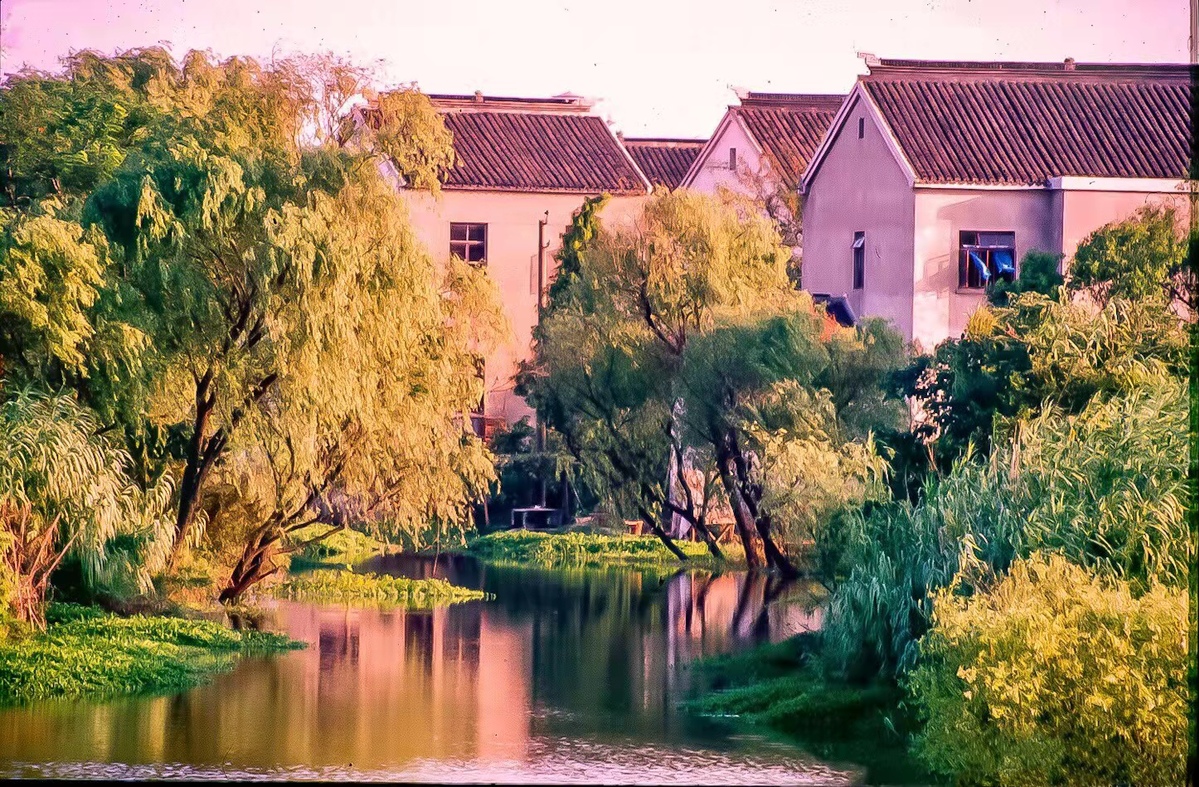
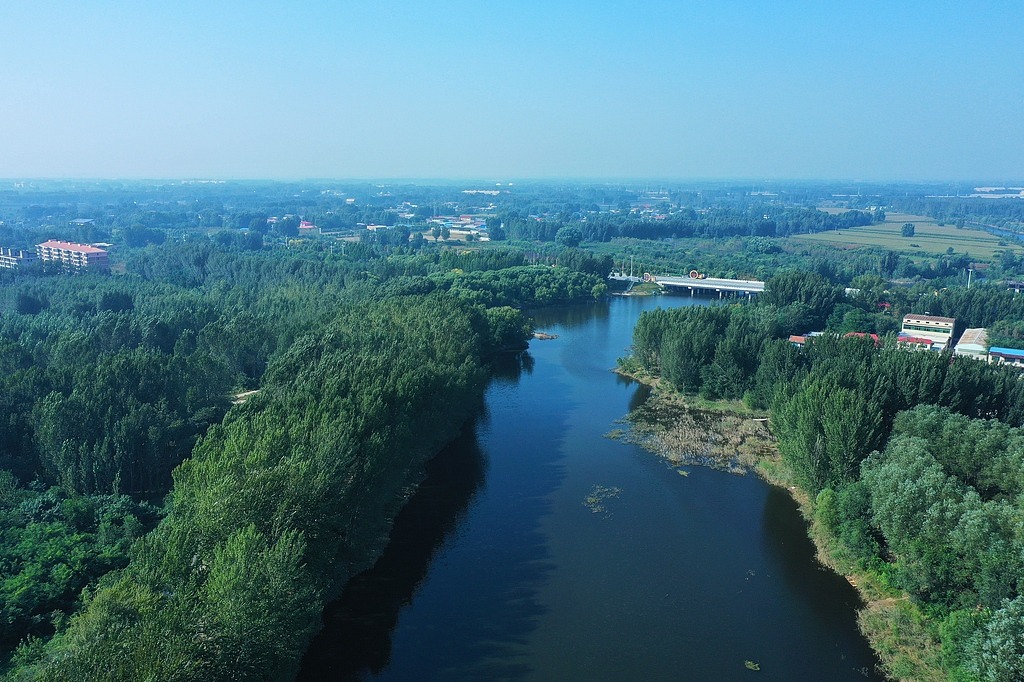
Much of Jiangsu incorporates wide, fertile, alluvial plains. However almost one fifth of the province is also composed of lakes, rivers and a maze of waterways. Water is in abundance! Jiangsu is actually the lowest, flattest of all China's provinces with some parts sitting only between three to five metres above sea level. Yet, hills as I could see, were also prominent features in this landscape. Why? A clue lies with islands such as Xishan where I came upon limestone deposits. A rock geologically much older than what makes up most of the region's surface terrain.
The Jiangnan area incorporates the Yangtze River Delta. There, one of the world's greatest and longest rivers discharges into the East China Sea. Throughout time, indeed probably since before human life existed in the area, the Yangtze has annually been depositing massive quantities of sediment, gradually building up land on which Suzhou and other cities sit today. During prehistoric eras, the river mouth was much farther back than that presently near Shanghai. The hills, providing areas of beauty and parkland within an ever expanding urban scene were once islands. Some still appear in Hangzhou Bay and of course, Lake Tai.
The lakes were themselves once part of shallow bays and sea inlets that gradually, over time, became enclosed by the constant sedimentation aiding the Yangtze Delta's seaward growth and expansion. Cut off from the oceans, their salinity levels gradually dropped, thus creating vast reserves of fresh water. Water is abundant in Jiangsu, the area consequently rich in aquatic produce.
Travelling across lowlands around Suzhou I noticed a greater number of villages along with more intensive cultivation of the land than what I would see in more northerly parts of China. This area is blessed climatically with generally warm temperatures and abundant rainfall, sometimes monsoonal, in late spring and early summer. With cultivation possible all year, harvests are bountiful, historically producing surpluses exceeding local needs. This was one of the factors in the Jiangnan region being one of the most economically successful parts of China. During those early days, rice farming and fishing initially were prime activities. Simple homes were erected on stilts over the waters and marshes. Gradually, more permanent settlement, villages, started to appear, the area growing economically.