



Ensure energy stability while adjusting the mix









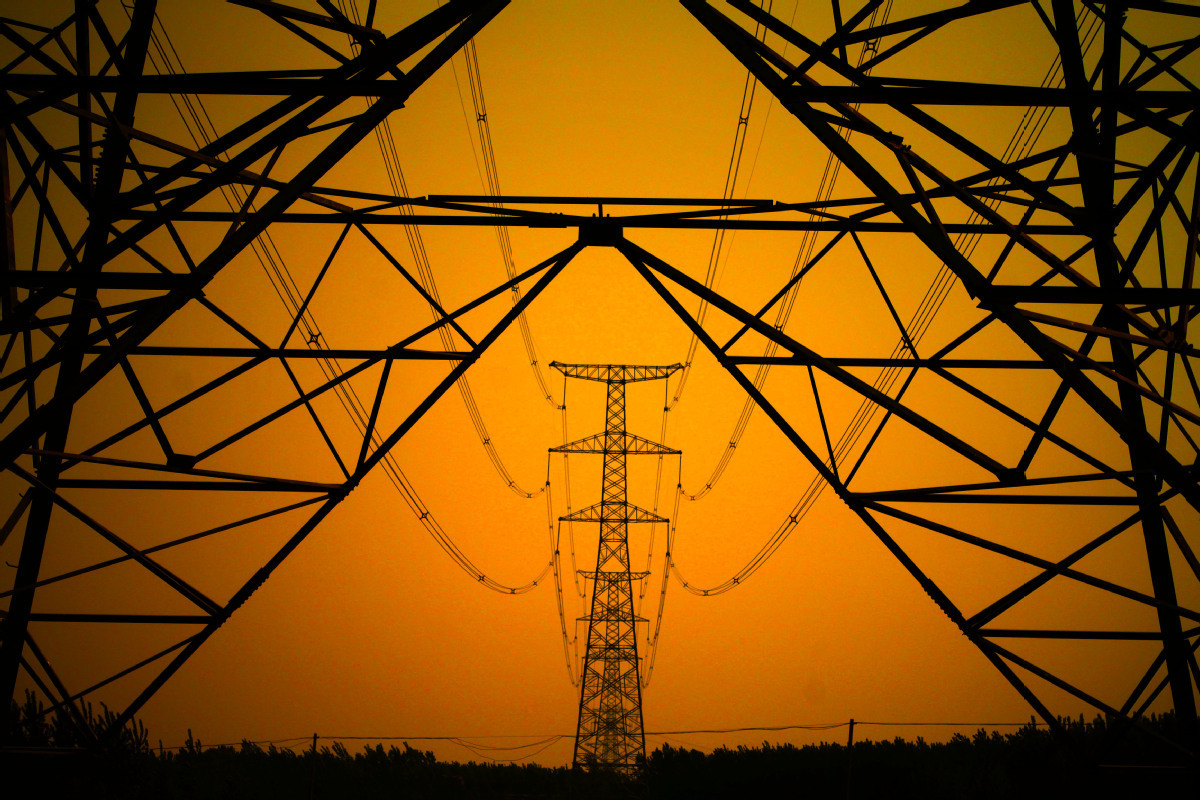
Transmitting electricity from the west of the country to the east has helped ease the power shortage in the coastal region.
There are three main electricity transmission lines from west to east-from Yunnan to Guangdong, from the upper reach of the Yangtze River to the Yangtze River Delta region, and from Northwest China and the Inner Mongolia autonomous region to North China.
Yunnan and the upper reach of the Yangtze River are rich in hydropower, while Northwest China and Inner Mongolia are the main producers of coal-fired, wind and solar power.
With coal-fired electricity accounting for about 71 percent of the country's electricity structure, the west-to-east power transmission has ensured the stability and reliability of China's energy supply.
However, two changes have disturbed the dynamic balance that the country has managed to strike over these years, and are compelling the country to restructure its power supply across regions.
On the one hand, the closure of some small and medium-sized coal mines in the country's main coal mining areas, including Inner Mongolia, Shaanxi and Shanxi, out of the needs of upgrading the industry and cutting emissions have further fueled the rising price of thermal coal.
With the pricing of electricity strictly controlled by the government, which is calculating the economic effects of the inevitable rise in electricity price, the thermal power plants, which have long survived on meager profits, are reluctant to run full steam ahead, as the more power they generate the more losses they will have to sustain.
On the other hand, large amounts of energy-consuming industries, such as electrolytic aluminum and polysilicon, that had been weeded out by the coastal regions have relocated to some provincial-level regions in the west of the country, including Yunnan and Inner Mongolia. As the local governments intend to rely on these projects to stoke growth and create jobs.
Statistics show, the power consumption in both Yunnan and Inner Mongolia has increased fast over the past three years. And if the trend is unchecked, the two previously major contributors of electricity to the national grid will soon become big electricity consumers.
In fact, all of the five provincial-level regions whose electricity consumption increased fastest in the country last year-Yunnan, Sichuan, Gansu, Inner Mongolia and Tibet-are main suppliers of electricity.
That being said, there are still plenty of tools for the policymakers to address the power shortage in East China. But they have to show more foresight as well as pragmatism and flexibility while rebalancing the interests of different regions and those of now and the future.





