



Jointly transforming food systems will help world realize 'zero hunger'









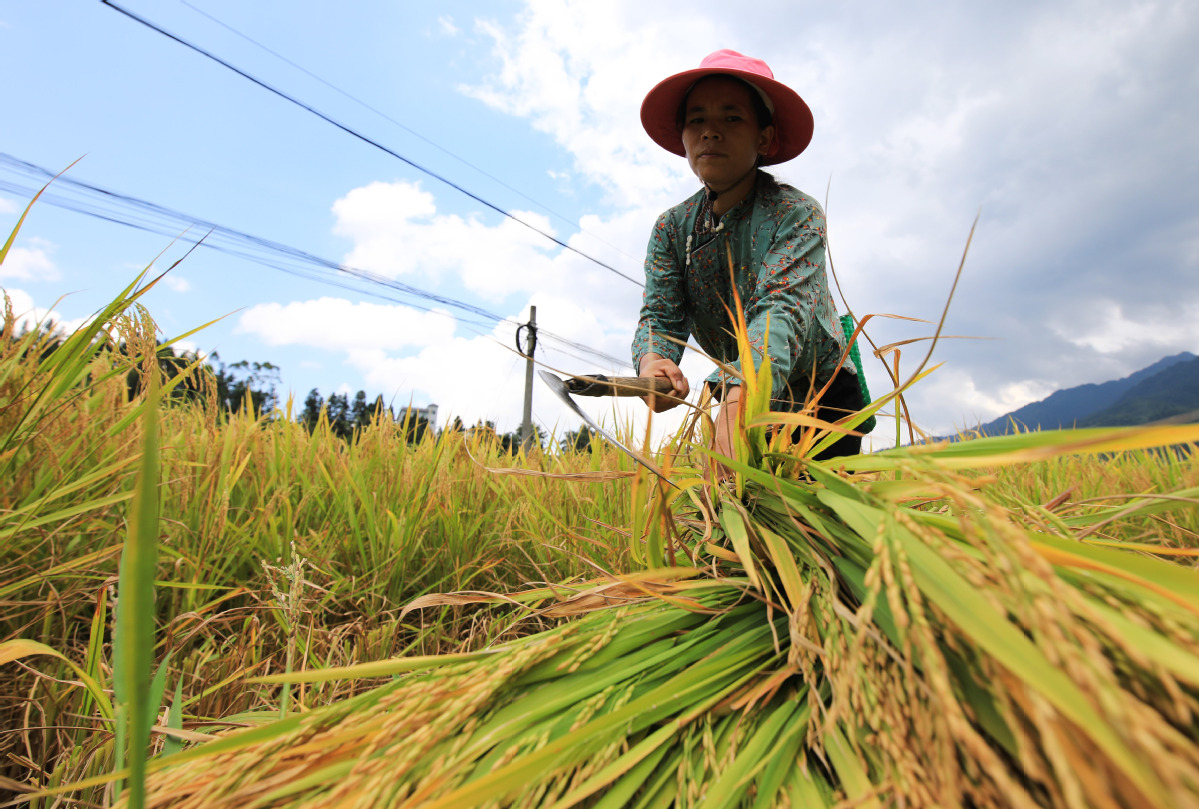
The United Nations Food Systems Summit-which aims to promote the transformation of the global food systems and realize "zero hunger" worldwide-opened online in New York on Thursday.
The UN Food and Agriculture Organization has vowed to achieve "zero hunger" by 2030, but progress has been slow, with the novel coronavirus pandemic creating more hurdles on the road to realizing that goal.
Despite the FAO and other international organizations and countries taking necessary actions, the pandemic has severely undermined the global economy, sparking the worst economic recession since World War II, pushing food prices to new highs, increasing unemployment, reducing people's incomes, and posing a grave threat to global food security.
According to the FAO, between 720 million and 811 million people worldwide suffered hunger in 2020, up 161 million from 2019.
Thanks to the multiple hurdles, the global food systems have not been functioning effectively, necessitating their transformation. Not only do the global agricultural and food systems directly provide jobs to 1 billion people around the world, they are also linked to the livelihoods of 3.5 billion people. Therefore, any problem in a link in the food systems could not only affect food supplies but also threaten global economic security.
A broad consensus is emerging on transforming the global food systems to realize "zero hunger", and the FAO, G20 and other organizations have spared no effort toward achieving this goal.
Since implementing the household contract responsibility system, China has been making greater efforts to transform its agricultural and food system, and has basically achieved self-sufficiency in food by increasing investment in agriculture infrastructure and raising agricultural subsidies.
China has helped improve global food and agricultural governance, promoted international cooperation in agriculture, and shared its experiences and practices in agricultural and rural development with other countries, thus making due contributions to world food security.
However, no single country or organization can address the global challenges related to agriculture and food. Transforming the global food systems is a complex project that requires the cooperation of the FAO, G20 and other international organizations and all countries. Only by working together to transform the global food systems can the world ensure a fair, sustainable and hunger-free future.





