



Japan has no leg to stand on with water plan: China Daily editorial









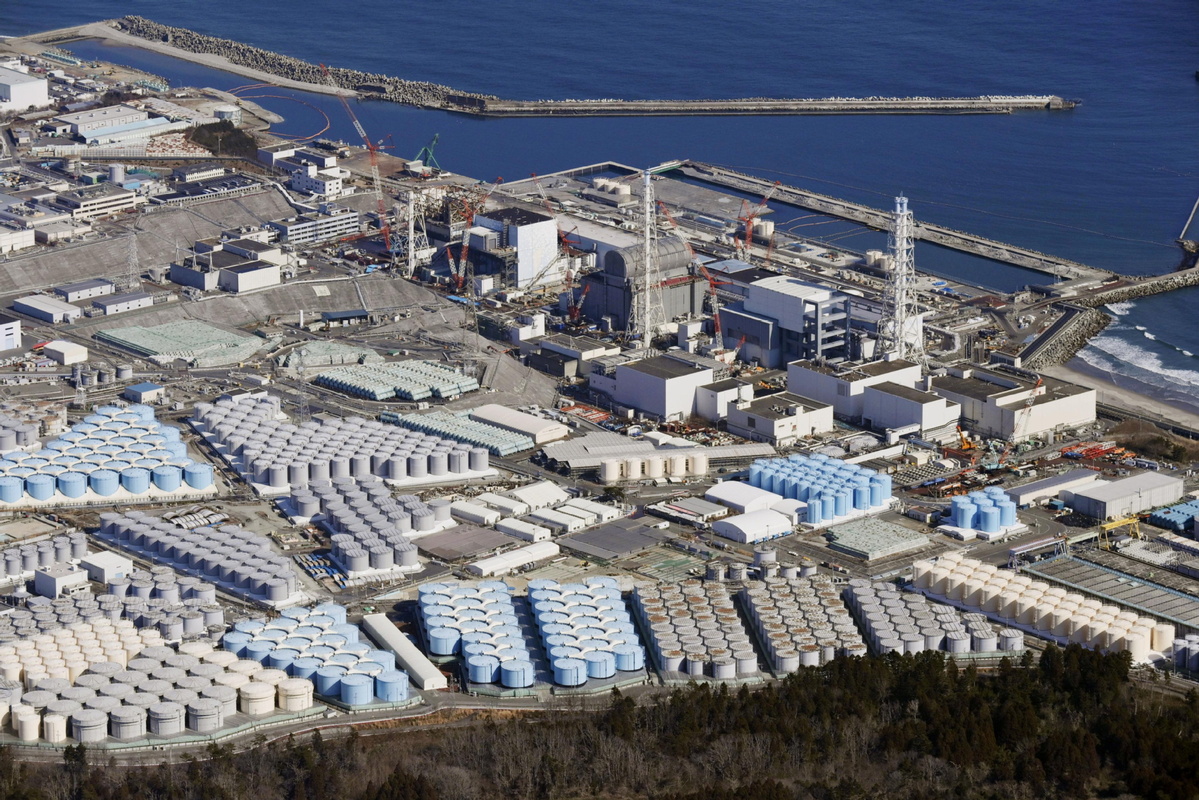
The Tokyo Electric Power Company Holdings Inc, operator of the damaged Fukushima Daiichi nuclear power plant, has reportedly decided to build a short undersea tunnel to release the contaminated radioactive water that has accumulated at the disaster site.
Full-scale construction of the tunnel is planned to start in early 2022, so that the release of the wastewater can begin as scheduled in 2023.
The "controlled release" of the 1 million tons of treated but still radioactive wastewater will last 30 years, until the facility is completely decommissioned. The highly controversial release plan has alarmed neighboring countries and many in the broader international community, and there have been persistent appeals from neighboring countries, including China, for transparency, prudence, and consultation, which have been conspicuously lacking up till now.
The Chinese Foreign Ministry has been consistent on the matter. Reiterating in its latest statement that "proper disposal of nuclear waste is related to international public interests and the vital interests of neighboring countries, which should be handled carefully and properly to avoid further damaging the marine environment, food safety and human health".
Expressing "grave concerns" about the planned release, the Foreign Ministry of the Republic of Korea also stated "it will be difficult to accept" if Tokyo implements the plan "without sufficient consultations". Japanese decision-makers, however, have turned a deaf ear to these voices of concern and are determined to do it their way.
Digging a 1-kilometer-long tunnel looks like an additional move to address some concerns. But it is more cosmetic than remedial — how can dumping the contaminated water merely 1,000 meters away from the site "prevent reputational damage" to local seafood? More important, the waters have one of the most active ocean currents the world over, which means that is only going to help the contaminated water disperse throughout the world's oceans.
Even if it works and controls the damage for local fishing communities, what about those of neighboring countries, and those potential victims on Pacific shores farther away? Because, according to scientists, from the day of its release, radioactive water from Fukushima may spread to half of the Pacific Ocean in 57 days, and reach every corner of the seas on the planet in 10 years.
The Japanese government must take seriously the potential threat it is posing to the global maritime environment as well as its obligations for global environmental wellness under international law, and refrain from making arbitrary, unilateral moves that will cause serious harm to marine life and ecology, further damage its international reputation and poison relations with neighboring countries.





