



Blueprint unveiled for central region's growth









China is paving the way for the central region to power ahead, with the focus on boosting high-quality development and promoting high-level opening-up, according to a new guideline released on Thursday.
The new document marks the latest move from the central authorities to empower the growth of Anhui, Henan, Jiangxi, Shanxi, Hunan and Hubei provinces, experts said.
The decision will help the region boost its innovation-driven and green development, pursue more balanced development and foster a key growth driver of the country's high-quality development, they said.
The new guideline, released by the Communist Party of China Central Committee and the State Council, calls for promoting high-quality development in the central region, including building a modern industrial system backed by advanced manufacturing, enhancing innovation capabilities in key fields, improving the business environment and undertaking the transfer of emerging industries.
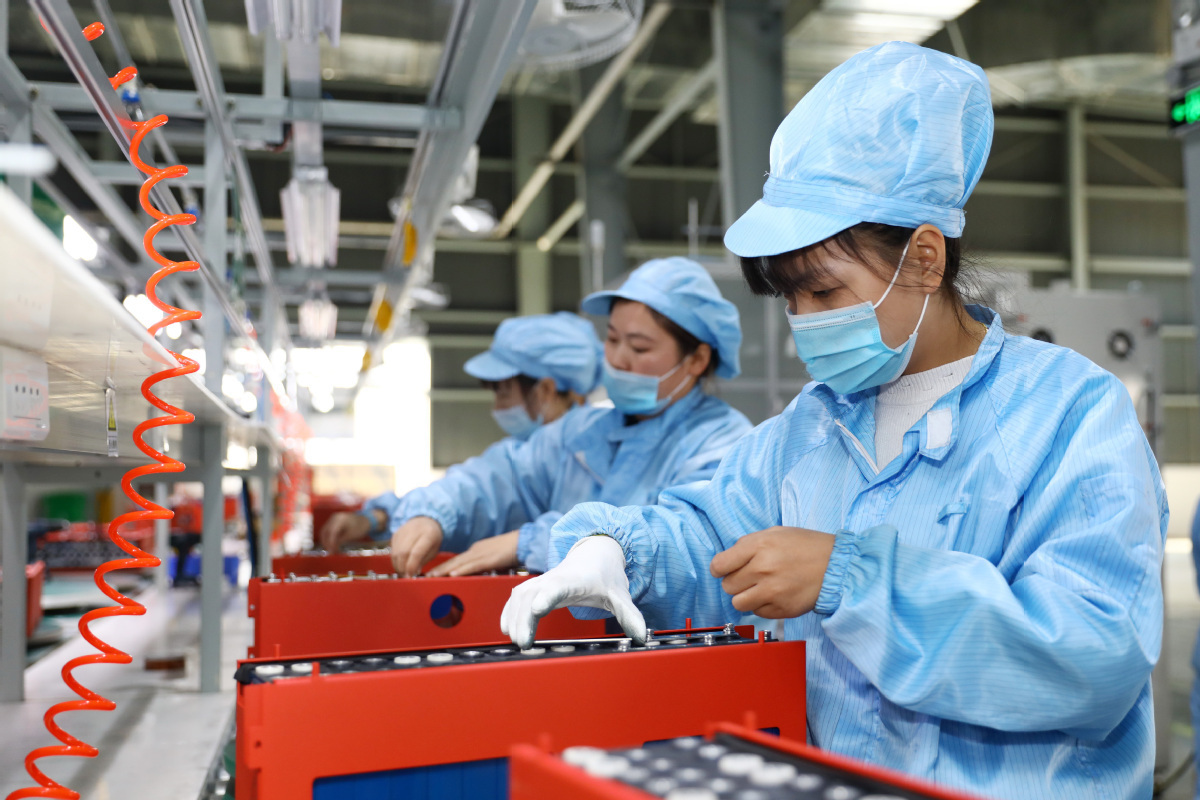
Under the plan, the country is set to build industrial bases in areas such as smart manufacturing, new materials, new energy vehicles and electronic information.
More efforts will be made to build high-standard free trade zones in Anhui, Henan, Hubei and Hunan, further increase financial and fiscal support for the central region, promote the deep integration of advanced manufacturing and modern services and build a new system of high-level opening-up in the inland areas.
By 2025, breakthroughs will be made in improving the quality, efficiency and driving forces of the central region's development. By then, an integrated development system of science and innovation-based industries will be basically established, with the ratio of R&D expenditure relative to gross domestic product reaching the national average.
By 2035, a modern economic system will essentially be established in the central region. Industries will have advanced, the coordinated development of urban and rural areas will reach a relatively high level, eco-friendly production and ways of life will have formed and an open economic system and mechanism have improved.
Yang Gangqiang, vice-president of Wuhan University's Institute of Central China Development, said the new document came as the central region has been tasked with a new mission in the new era, marking a key move by the nation to foster coordinated regional development and boost high-quality growth.
The central region, as a bridge between the east and the west of the country, is expected to play a key role in fostering the "dual-circulation" development paradigm, said Jia Ruoxiang, a senior researcher at the National Development and Reform Commission's Institute of Spatial Planning and Regional Economy. The paradigm takes the domestic market as the mainstay, with the domestic and international markets reinforcing each other.
The central region's population, with about 26.6 percent of the national total, will serve as a key part of the domestic market. "The future development of the central region will further unleash its huge consumption potential, which will help build a strong domestic market in China," he said.
The region will also serve as a strategic link between the domestic and international markets, as the Belt and Road Initiative will create growth opportunities for the region to pursue high-level opening-up, Jia said.
"With the help of the government's effective measures to boost innovation-driven growth, deepen reform and opening-up and optimize the business environment, the central region is expected to be a key growth driver for the nation's high-quality development," he said.
The central region covers around 10 percent of the country's land area. Its share of overall national GDP has increased from 18.8 percent in 2005 to 22.2 percent in 2019, according to official data.











